
Spare parts for shipping containers
Every shipping container — whether it crosses oceans aboard a cargo vessel or sits in a backyard as a storage unit — is a machine of interlocking parts. When one component fails, the entire unit’s integrity is at risk. Cargo gets wet. Doors refuse to seal. A corner casting cracks, and suddenly the container can no longer be stacked safely. Understanding spare parts for shipping containers is not a niche concern for repair depots alone — it is essential knowledge for anyone who owns, leases, modifies, or maintains an ISO container.
This guide is the definitive reference. It covers every major category of container spare parts, from the structural frame to the smallest door seal, and explains how to identify, source, and replace each component while maintaining compliance with international safety standards.
Definition: Spare parts for shipping containers are standardized replacement components — structural, mechanical, and accessory — designed to restore or maintain the functionality, safety, and watertightness of an ISO intermodal shipping container throughout its service life.
What Are Spare Parts for Shipping Containers?
Definition and Scope
Spare parts for shipping containers encompass every component that can wear out, break, corrode, or be damaged during the life of a container. This includes both structural elements — the steel frame, panels, corner castings, and cross members that give the container its load-bearing capacity — and mechanical parts such as door hinges, locking bars, gaskets, and handles. It also covers accessories like ventilation grilles, lashing rings, lock boxes, and wheels.
The distinction between a “spare part” and an “accessory” is important. A spare part restores a container to its original functional state. An accessory adds new capability. Door gaskets and corner castings are spare parts. A lock box or a set of caster wheels is an accessory — though many suppliers sell both under the same roof.
ISO containers are the most standardized industrial objects in the world. That standardization is what makes the spare parts market possible. A corner casting made in China fits a container built in Germany because both conform to ISO 1161. A door gasket profile designed for a 40-foot high-cube container will also fit the same model from a different manufacturer — most of the time.
Why Spare Parts Matter for Container Longevity
A shipping container is designed for a service life of 15 to 25 years, but only if it is maintained. The difference between a container that lasts a decade and one that lasts three decades often comes down to one thing: the quality and timeliness of replacement parts.
Five critical reasons drive the demand for spare parts:
- Restoring structural integrity. A corroded roof panel or a cracked cross member compromises the container’s ability to bear weight and resist racking forces during transport. Replacing the damaged section with a proper steel panel restores the original engineered strength.
- Protecting cargo. The primary job of a container is to keep cargo dry and secure. A failed door gasket allows water ingress that can destroy electronics, textiles, paper products, and food. A single leaking seal can cause tens of thousands of dollars in cargo damage.
- Ensuring safety. Damaged corner castings are a catastrophic failure risk. A corner casting that cracks during a container lift can drop a 30-ton box onto personnel, equipment, or other cargo. Door locking mechanisms that fail in transit can cause doors to swing open on a highway.
- Maintaining CSC certification. The Convention for Safe Containers (CSC) requires every container used in international transport to carry a valid safety approval plate. Repairs performed with non-compliant or substandard parts can invalidate this certification, removing the container from legal service.
- Economic return. A new 20-foot container costs between $2,500 and $5,000. A new 40-foot high-cube can exceed $7,000. Replacing a $40 door gasket or a $200 corner casting is dramatically cheaper than replacing the entire box. Over a fleet of hundreds of containers, the savings from a proper spare parts program run into the millions.
The History of Container Parts Standardization
The spare parts ecosystem for shipping containers exists because of a series of standardization decisions made between the 1950s and 1970s. Before standardization, there was no spare parts market — because there was no guarantee that a part from one container would fit another.
Malcolm McLean’s first container ship, the Ideal X, sailed in 1956 with 58 containers on deck. Those containers were not standardized. Different shipping lines used different sizes, corner fittings, and door configurations. The chaos of incompatible containers threatened to stall the container revolution before it began.
The International Organization for Standardization (ISO) stepped in. Between 1968 and 1990, ISO published the standards that define every container part sold today:
- ISO 668 defines the external dimensions and ratings of containers. It sets the 20-foot and 40-foot lengths, the 8-foot width, and the 8-foot-6-inch and 9-foot-6-inch heights that all spare parts must accommodate.
- ISO 1161 specifies the dimensions, material, and strength requirements for corner castings — the eight fittings at the corners of every container that enable stacking, lifting, and securing.
- ISO 1496-1 sets the specifications and testing procedures for dry freight containers, including door sealing performance, floor strength, and weatherproofing standards.
- ISO 6346 provides the coding system for container identification, including the size and type codes that appear on every CSC plate.
This standardization is the reason you can buy a door gasket online and have it fit your container. It is the reason a corner casting from a supplier in Rotterdam can be welded onto a container in Singapore. The spare parts industry is a direct product of the ISO framework.
What Are the Main Structural Components of a Shipping Container?
A shipping container derives its extraordinary strength — the ability to stack nine high fully loaded and withstand the twisting forces of a ship at sea — from a steel frame wrapped in corrugated panels. Understanding these structural components is essential because they are the most expensive to repair and the most critical to safety.
The Frame: Corner Castings, Corner Posts, and Rails
The frame of a shipping container is a rectangular steel cage. Every element of the frame works together to transfer weight and racking forces to the corner castings, which are the container’s sole points of contact with the outside world.
| Structural Component | Location | Function | Material | ISO Reference |
|---|---|---|---|---|
| Corner Castings | All 8 corners | Stacking, lifting, securing — the container’s only load-bearing interface | Cast steel, typically weldable grade | ISO 1161 |
| Front Corner Posts | Front-end vertical edges | Transfer vertical loads from top corner castings to bottom | Rolled steel, often 4–6 mm thick | ISO 1496-1 |
| Rear Corner Posts | Door-end vertical edges | Support door frame and transfer loads | Rolled steel, reinforced for door hinge mounting | ISO 1496-1 |
| Top Side Rails | Upper longitudinal edges | Resist racking, support roof panels | Formed steel channel or box section | ISO 1496-1 |
| Bottom Side Rails | Lower longitudinal edges | Support floor, cross members, and side panels | Formed steel, often C-channel profile | ISO 1496-1 |
| Front Header | Front top horizontal | Connect front corner posts, support roof | Formed steel | ISO 1496-1 |
| Door Header | Rear top horizontal | Support door frame, connect rear corner posts | Formed steel, often reinforced | ISO 1496-1 |
| Front Sill | Front bottom horizontal | Connect front corner posts, support floor | Formed steel | ISO 1496-1 |
| Door Sill | Rear bottom horizontal | Threshold for doors, support floor edge | Formed steel, reinforced for forklift traffic | ISO 1496-1 |
Corner castings are the most critical spare part in the structural category. Each casting has three oval-shaped holes on its exposed faces — top, bottom, and side — designed to accept twist locks, lifting lugs, and stacking pins. A damaged corner casting cannot simply be patched; it must be cut out and replaced by a certified welder. The replacement casting must conform to ISO 1161, which specifies exact dimensions, hole geometry, and minimum load ratings (typically 150,000 kg for a bottom corner casting).
Corner posts are the second most common structural replacement. Rear corner posts, in particular, suffer damage from collision with loading docks, forklifts, and other containers. A bent rear corner post can throw the entire door frame out of alignment, preventing doors from closing and sealing properly. Replacement requires cutting out the damaged section and welding in a new post segment, then verifying that the door frame has returned to tolerance.
Top and bottom side rails run the length of the container. The bottom side rail takes the most abuse — it sits on chassis, gets hit by forklifts, and collects water and salt that accelerate corrosion. When a bottom side rail rusts through, it compromises the floor support system and must be sectioned out and replaced.
The Enclosure: Roof, Side Panels, and Front Panel
The steel skin of a container is made from corrugated steel panels, typically 1.6 mm to 2.0 mm thick. The corrugation — the wave pattern pressed into the steel — is not cosmetic. It provides bending stiffness that allows the thin sheet to resist cargo pressure, wind loads, and impacts without the weight of a thicker plate.
Roof panels are the most frequently damaged enclosure parts. They sit on top of the container, exposed to sun, rain, snow, and — most damagingly — the forks of careless forklift operators during overhead loading. A roof panel replacement involves cutting the damaged corrugated section, welding in a new panel that matches the corrugation profile, and applying a waterproof seal. The repair must maintain the container’s weathertightness, which is tested by a water-spray test under ISO 1496-1.
Side panels and the front panel (the end opposite the doors) are similar in construction but differ in their exposure to damage. Side panels are vulnerable to cargo shift inside the container and collision outside. The front panel endures wind pressure during road transport and is a common location for rust, especially at the bottom edge where water pools.
Header extension plates and corner protection plates are small but important structural pieces. The extension plate bridges the gap between the roof panel and the top rail at the corners. The corner protection plate reinforces the area where the top rail meets the corner post — a high-stress zone during lifting and stacking.
The Floor System: Cross Members, Flooring, and Understructure
The floor of a shipping container must support the dynamic load of a forklift driving in with a 2,500 kg pallet. That means the floor system is far more than a sheet of plywood.
Cross members are steel beams that span the width of the container, spaced roughly every 300 mm (12 inches) along the length. They are typically C-channel or I-beam sections, welded to the bottom side rails. Each cross member transfers the load from the floor to the side rails and ultimately to the corner castings. A damaged cross member — often crushed by a forklift impact or cut by improper repair — weakens the entire floor. Replacement requires cutting out the old member and welding in a new one, taking care to maintain the floor’s weight rating.
Forklift pockets are reinforced channels built into the understructure, typically two per 20-foot container and four per 40-foot. They allow a forklift to lift the empty container from the side. When forklift pockets rust through or deform, they must be replaced to maintain the container’s handling capability.
The flooring itself is almost always marine-grade plywood, typically 28 mm (1-1/8 inch) thick, made from tropical hardwoods like apitong or keruing. These woods are chosen for their resistance to moisture, rot, and insect infestation. The plywood is treated with preservatives and coated with a non-slip surface. Floor panels are screwed into the cross members with self-tapping screws. Replacing a floor section means cutting out the damaged plywood, preparing a new panel to exact dimensions, and screwing it down with the correct fastener pattern.
The threshold plate at the door sill takes exceptional abuse — forklifts roll over it with every load cycle. It is a replaceable steel plate that protects the door sill and floor edge.
What Are the Key Door Parts and Hardware Components?
The doors of a shipping container are its most mechanically complex feature and the source of the most frequent spare parts demand. Every time the container is loaded or unloaded, the doors swing open and closed. Over thousands of cycles, seals wear, hinges sag, and locking mechanisms loosen.
Door Seals and Gaskets
Door seals — also called door gaskets — are the single most commonly replaced spare part on any shipping container. They are rubber profiles that run around the perimeter of each door, creating a watertight compression seal when the doors are closed and locked.
Two main profile types dominate the market:
- J-type seals have a cross-section shaped like the letter J. The curved “hook” of the J compresses against the door frame or the opposite door, creating a labyrinth seal that water must navigate through multiple contact points. J-type seals are the most common on modern ISO containers.
- C-type seals have a simpler C-shaped cross-section. They are found on older containers and some specialty models. They provide a single compression surface and are generally less effective than J-type seals at preventing water ingress.
The material is almost always EPDM rubber (ethylene propylene diene monomer), chosen for its excellent resistance to UV radiation, ozone, and temperature extremes. EPDM remains flexible from -40°C to 120°C, making it suitable for containers that travel from Arctic ports to equatorial shipping lanes. Some manufacturers blend EPDM with other polymers to improve abrasion resistance or reduce cost.
Door seals come in specific configurations:
- Left-hand door seal: A 3-sided seal (top, bottom, hinge side) because the fourth side seals against the right-hand door.
- Right-hand door seal: A 4-sided seal (all four edges) because the right-hand door is the first to close and must seal against the frame on all sides.
- Full sets: Include both left-hand and right-hand seals, plus the center vertical seal where the two doors meet.
A typical door seal set lasts 8 to 15 years, depending on UV exposure, frequency of use, and chemical exposure. Signs that seals need replacement include visible cracking, flattening (loss of compression memory), water stains inside the container, and light visible through the closed door gap.
Locking Mechanisms: Locking Bars, Cams, and Keepers
The door locking system on a shipping container is a mechanical linkage that converts the rotation of a door handle into the clamping force that compresses the door seals against the frame.
The system consists of:
- Locking bars: Vertical steel rods — typically two per door — that run the full height of the door. When the handle is turned, the locking bar rotates. Cams at the top and bottom of the bar engage with keepers on the door header and sill.
- Locking bar cams: The shaped steel pieces welded to the top and bottom of each locking bar. The cam has a sloped profile that, as it rotates into the keeper, draws the door tighter against the frame.
- Cam keepers: The receiving brackets mounted on the door header and door sill. They have a slot that accepts the cam and guides it into the locked position.
- Locking bar brackets: The intermediate supports that hold the locking bar against the door panel, allowing it to rotate freely.
- Locking bar guides: Additional alignment brackets that keep the locking bar from bowing or binding.
- Door handles: The lever that the operator turns to engage the locking mechanism. Handles are typically forged steel and include a hasp for a padlock or customs seal. The handle retainer clip holds the handle flat against the door when not in use.
Common failure modes include seized locking bars (from rust or lack of lubrication), worn cams that no longer pull the door tight, bent locking bars from impact damage, and broken handle retainers that let the handle swing freely.
Hinges, Hinge Pins, and Hinge Lugs
Container doors are hung on hinge blades — heavy forged steel plates welded to the door panel and the rear corner post. A hinge pin (a hardened steel rod) passes through the interlocking blades, creating the pivot axis.
Each door typically has four hinge assemblies. The top hinge carries the most load because the weight of the door creates a cantilever effect. The bottom hinge collects the most debris and is most prone to rust.
Hinge pins are replaceable wear items. When a hinge pin wears, the door sags. Sagging doors are the most common cause of misaligned door seals. Replacing a hinge pin involves driving out the old pin (often with heat and a hammer), aligning the door, and inserting a new pin of the correct diameter and length.
Hinge lugs are the welded brackets on the container frame that the hinge pin passes through. If a hinge lug cracks or tears away from the corner post, it must be welded back into position or replaced.
Complete Door Assemblies
Sometimes the most cost-effective repair is to replace an entire door panel — or even the complete door set. A door panel replacement is necessary when the steel skin is severely corroded, the internal bracing is damaged, or the cost of replacing individual components exceeds the cost of a new door assembly.
| Door Part | Function | Wear Indicators | Replacement Difficulty | Typical Cost Range (USD) |
|---|---|---|---|---|
| Door Gasket Set | Watertight compression seal | Cracking, flattening, light/water ingress | Low — DIY with basic tools | $40–$120 |
| Locking Bar | Vertical rod that drives locking cams | Bending, seizing, rust | Medium — requires alignment | $50–$150 per bar |
| Cam Keeper | Receives cam to lock door | Grooving, wear, looseness | Medium — may require welding | $15–$40 each |
| Door Handle Assembly | Lever for operating locking bar | Bending, broken retainer, rust | Medium | $40–$100 |
| Hinge Pin | Pivot for door rotation | Sagging door, visible wear | Medium–High — requires door support | $10–$30 each |
| Hinge Blade | Welded connection between door and frame | Cracking, tearing from weld | High — requires welding | $30–$80 each |
| Door Panel (complete) | Entire door unit | Severe corrosion, structural damage | High — requires welding, helpers | $400–$800 |
| Slam Plate / Door Stop | Prevents door over-opening | Wear, looseness | Low | $15–$30 |
What Accessories and Aftermarket Parts Are Available?
Beyond the components that keep a container functional, a large market exists for accessories that enhance, modify, or adapt containers for specific uses.
Ventilation and Airflow
Standard containers are sealed boxes — excellent for keeping water out, but terrible for preventing condensation. When a sealed container is stored outdoors, temperature swings cause moisture to condense on the interior walls and ceiling. This “container rain” can damage stored goods.
Ventilation grilles solve this problem. The most common type is the S-type vent — a small, stamped steel louver with a rain shield, designed to fit into pre-punched holes in the container wall. S-type vents allow passive air circulation while preventing direct water entry. Larger ventilation grilles (30 cm × 30 cm or larger) are available for containers that need more airflow — for example, containers storing organic materials, agricultural products, or hazardous chemicals that require fume dissipation.
Security and Locking Accessories
Lock boxes are steel enclosures welded over the door handle area. They protect the padlock from bolt cutters and angle grinders, making it dramatically harder for thieves to access the container. A typical lock box costs $40–$100 and can be welded on in less than an hour.
Twist locks are the mechanical connectors that lock containers together when stacked, or lock a container to a chassis, trailer, or ship’s deck. They insert into the corner casting holes and twist to engage. Twist locks are available in manual, semi-automatic, and fully automatic configurations. Spare twist locks are common on container ships and in port operations.
Stacking pins (also called stacking cones) are simpler devices that align containers during stacking. They are double-ended cones that fit into the corner casting holes of two adjacent containers, preventing lateral movement but not providing the vertical locking force of a twist lock.
Container anchors and end tie-downs secure containers to the ground or to a transport platform. They are essential for containers used as permanent or semi-permanent structures.
Mobility and Positioning
Caster wheels and dolly wheels bolt onto the corner castings of an empty container, allowing it to be rolled around a depot, warehouse, or construction site. A set of four heavy-duty casters rated for a 20-foot container typically costs $300–$600.
Container leveling jacks screw into the corner castings and provide adjustable height support. They are used when containers are placed on uneven ground — a common situation in construction and temporary storage applications.
Lifting lugs are detachable fittings that provide a connection point for lifting slings or chains. They bolt into the side holes of the corner castings and are used when a container must be lifted by a crane without a spreader bar.
Modification Parts
The container modification industry has exploded with the growth of container homes, offices, and retail spaces. Modification parts include:
- Windows: Pre-framed window units designed to be welded into container side panels.
- Personnel doors: Standard 36-inch steel doors with frames, designed to replace or supplement the cargo doors.
- Shelving systems: Bolt-in or weld-in racking units for storage containers.
- Lighting and electrical kits: Pre-wired LED lighting systems with weatherproof switches and conduit.
- Insulation panels: Spray foam or rigid panel insulation kits for temperature-controlled container conversions.
- Document holders: Small weatherproof tubes mounted on the door for shipping documents and manifests.
How Are Spare Parts for Shipping Containers Standardized?
ISO Standards Governing Container Parts
The spare parts market functions because of international standards. Every part you buy — from a corner casting to a door gasket — is designed to conform to one or more ISO standards. Understanding which standards govern which parts helps you verify that what you are buying is fit for purpose.
| ISO Standard | Title | Parts Governed |
|---|---|---|
| ISO 668 | Series 1 freight containers — Classification, dimensions and ratings | Overall container dimensions; affects all parts that must fit within dimensional constraints |
| ISO 1161 | Series 1 freight containers — Corner and intermediate fittings — Specification | Corner castings, twist locks, stacking pins, lifting lugs |
| ISO 1496-1 | Series 1 freight containers — Specification and testing — Part 1: General cargo containers | Door seals, panel strength, floor load rating, weathertightness |
| ISO 6346 | Freight containers — Coding, identification and marking | CSC plate, container identification codes, size/type codes |
| ISO 3874 | Series 1 freight containers — Handling and securing | Lifting lugs, securing points, forklift pocket requirements |
When evaluating a spare part, check whether the supplier references the relevant ISO standard. A corner casting that “looks like” the real thing but does not conform to ISO 1161 may fail under load, with catastrophic consequences.
CSC Certification and Parts Compliance
The Convention for Safe Containers (CSC) is an international treaty adopted in 1972 and enforced by most maritime nations. It requires that every container used in international transport carry a valid CSC Safety Approval Plate — a metal plate riveted to the left door of the container.
The CSC plate contains:
- The container’s identification number
- Date of manufacture
- Maximum gross weight and allowable stacking weight
- The date of the last periodic examination
- The approving authority’s reference
When a container is repaired with replacement parts, the repair must not invalidate the CSC approval. This means:
- Replacement structural parts must be of equivalent or superior material grade to the original (typically Corten steel or equivalent weathering steel for the frame and panels).
- Welding repairs must be performed by qualified welders using procedures that maintain the container’s structural integrity.
- After major structural repairs, the container must be re-examined and the CSC plate updated with the new examination date.
Using non-certified parts — corner castings that have not been tested to ISO 1161, for example — can result in the container being removed from service. For containers that only travel domestically or are used for storage, the CSC requirement may not apply, but the safety implications remain the same.
Do Original Parts Matter?
The container spare parts market is dominated by aftermarket manufacturers, not OEMs (original equipment manufacturers). Most container manufacturers — CIMC, Singamas, Maersk Container Industry, and others — do not sell parts directly to end users. Instead, a network of specialized suppliers produces parts that conform to the same ISO standards as the original components.
The key question is not “is it OEM?” but “does it meet the relevant ISO standard?” A high-quality aftermarket corner casting from a reputable supplier is functionally identical to the original. A cheap, unmarked casting from an unknown source is a risk.
Material grade is the most important variable. Container frames and panels are typically made from Corten steel (also known as weathering steel), a high-strength, low-alloy steel that forms a stable rust-like patina that protects the underlying metal from further corrosion. When replacing structural components, the replacement steel should be of equivalent or better grade. Using ordinary mild steel in a structural application will result in accelerated corrosion and reduced strength.
How Do You Identify the Right Spare Part for Your Container?
Reading the CSC Plate and Data Plate
The first step in identifying any spare part is to document your container’s specifications. The CSC plate and the manufacturer’s data plate (usually mounted on the right door or the front wall) contain the information you need:
- Container identification number: A 4-letter, 7-digit code (e.g., MSCU 1234567) that uniquely identifies the container. The first three letters are the owner code; the fourth is the equipment category (“U” for freight containers).
- Size and type code: A 4-character alphanumeric code (e.g., 22G1) that specifies the container’s dimensions and features. The first character indicates length (“2” = 20 ft, “4” = 40 ft), the second indicates height and width, and the third and fourth indicate the container type.
- Manufacturer and date: The company that built the container and the month/year of manufacture. This is important because manufacturer-specific variations exist even within ISO standards.
Photo-Based Identification Protocol
If you cannot identify a part by specification, use photographs. The protocol recommended by most major parts suppliers is:
- Take a clear photo of the CSC plate — this provides the container’s identity and specifications.
- Take a full photo of the container doors — this shows the overall door configuration and locking mechanism type.
- Take a close-up photo of the damaged or worn part — include a ruler or a common object (a coin, a pen) for scale.
- Measure the critical dimensions of the part — for door seals, measure the width and height of the groove; for hinge pins, measure the diameter and length; for corner castings, measure the hole dimensions.
- Send the photos and measurements to the supplier. A reputable supplier will match your part against their catalog and confirm compatibility before shipping.
Compatibility Across Container Types
Not all containers use the same parts. Key variables include:
- Container type: Dry freight containers, refrigerated containers (reefers), open-top containers, flat-rack containers, and tank containers each have unique parts. Reefer containers, for example, have specialized door seals designed for the thicker insulated door panels and refrigeration unit components that are completely different from dry container parts.
- Container size: A 20-foot container uses different door seal lengths than a 40-foot container. A 40-foot high-cube container (9’6″ tall) uses different door seal lengths than a standard 40-foot (8’6″ tall).
- Manufacturer: While ISO standards ensure broad compatibility, subtle differences exist. CIMC containers may use slightly different door gasket profiles than Singamas containers. Jindo containers may have different hinge geometry. When in doubt, provide the manufacturer information to the supplier.
Where Can You Buy Spare Parts for Shipping Containers?
Major Suppliers and Distributors
The container spare parts market is served by a mix of specialized industrial suppliers and general e-commerce platforms. The major players include:
- Pacific Marine & Industrial: Based in the US, Pacific Marine offers one of the most comprehensive catalogs of ISO container parts, including corner castings, door parts, panels, and structural components. They ship internationally and provide detailed technical specifications for every part.
- Mytee Products: A US-based supplier with a strong presence on Amazon and their own e-commerce site. Mytee specializes in container door hardware, lashing equipment, and cargo control products.
- Delta Mark: An established supplier of dry ISO container parts, specializing in door hardware, steel panels, and structural components. They stock over 1,000 products.
- SEA BOX: A major manufacturer and supplier of container parts and accessories, with a focus on military and commercial applications. Their online shop carries replacement parts, shelving, and mobility accessories.
- Conexwest: A container supplier that also stocks a wide range of replacement parts, including door assemblies, vents, and roof panels, with nationwide shipping in the US.
- HZ Containers: A European supplier with a comprehensive spare parts catalog, including seals, locks, structural elements, and accessories. They ship throughout the EU.
- Container Nut: Specializes in modification and accessory parts — wheels, vents, lights, brackets, and hardware for container builders and DIY converters.
Direct vs. Marketplace Purchasing
The choice between buying from a specialist supplier and buying from a marketplace (Amazon, eBay, Alibaba) involves trade-offs:
Specialist suppliers offer:
- Parts that are verified to conform to ISO standards
- Technical support and compatibility guidance
- Warranty and return policies designed for industrial customers
- Consistent quality across orders
Marketplace platforms offer:
- Often lower prices, especially for commodity items like gaskets and handles
- Wider selection of generic and non-standard parts
- Faster shipping through established logistics networks
- But: inconsistent quality, unknown material grades, and no technical support
For structural parts — corner castings, panels, cross members — always buy from a specialist supplier. The risk of a non-compliant part is too high. For accessories and wear items — lock boxes, casters, handle retainers — marketplace purchasing can be a cost-effective option if you verify the seller’s reputation and return policy.
Pricing and Lead Times
Pricing for common spare parts varies widely based on the part type, material grade, and supplier:
- Door gasket sets: $40–$120 per set
- Individual locking bar: $50–$150
- Door handle assembly: $40–$100
- Corner casting (single): $60–$200
- Roof or side panel (section): $150–$400
- Complete door panel: $400–$800
- Forklift pocket: $100–$250
- Cross member (single): $50–$150
- Ventilation grille: $5–$25
- Lock box: $40–$100
- Caster wheel set (4): $300–$600
Lead times range from same-day shipping for common items in stock to 2–4 weeks for custom or backordered parts. International shipping adds 1–3 weeks and may incur customs duties.
How Do You Repair and Replace Common Shipping Container Parts?
Door Seal Replacement
Replacing door seals is the most common DIY container repair. It requires no welding and minimal tools.
Tools needed: Utility knife, flathead screwdriver, rubber mallet, measuring tape, sealant (optional).
Procedure:
- Remove the old seal by pulling it out of the groove around the door perimeter. If the seal is hardened, use a utility knife to cut it into sections and a flathead screwdriver to pry out stubborn remnants.
- Clean the groove thoroughly. Remove all old adhesive, rust flakes, and debris. A wire brush or scraper is helpful for this step.
- Measure the groove length and cut the new seal to length, leaving 2–3 cm of extra material for compression fitting.
- Starting at one corner, press the seal’s base into the groove. Work your way around the door, using a rubber mallet to gently tap the seal fully into the groove. Do not stretch the seal — it should be compressed slightly, not tensioned.
- At the corners, make relief cuts in the seal’s base (not the sealing surface) to allow it to bend 90 degrees without buckling.
- Close the door and check for gaps. If light is visible through the seal, adjust the locking bar tension or add shim material behind the seal in that area.
Panel Patching and Replacement
Steel panel repair ranges from simple rust treatment to full panel replacement.
Rust treatment (minor): Sandblast or wire-brush the rusted area to bare metal. Apply a rust converter or primer. Paint with marine-grade enamel. This is a cosmetic and preventative treatment, not a structural repair.
Hole patching (moderate): Cut out the damaged area to clean, square edges. Cut a steel patch plate of the same or slightly thicker gauge, overlapping the hole by at least 25 mm on all sides. Weld the patch plate in place with a continuous weld. Grind the welds smooth. Apply primer and paint.
Full panel replacement (major): Cut out the entire damaged panel along the weld seams at the rails and corner posts. Prepare a replacement panel of matching corrugation profile and dimensions. Weld the new panel into place, maintaining the same weld pattern as the original. Test for weathertightness.
Important: All welding on a container should be performed by a qualified welder. The heat-affected zone around a weld is more susceptible to corrosion than the base metal, so proper surface preparation and coating are essential.
Floor Repair and Replacement
Container floor repair is physically demanding work. The plywood is heavy, the screws are numerous and often rusted, and the working position is awkward.
Partial floor replacement: Identify the damaged section, which typically spans multiple adjacent floor panels. Cut the damaged plywood along the nearest cross member centerlines. Remove the screws (an impact driver is essential). Cut a replacement plywood panel to the exact dimensions. Use marine-grade plywood of the original thickness (28 mm / 1-1/8 inch). Screw the new panel into the cross members with the correct fastener pattern — typically staggered screws every 150 mm along each cross member.
Full floor replacement: A full re-floor is a major job that usually requires a professional. All existing plywood must be removed, the cross members inspected and repaired if necessary, and new plywood installed. The cost of a full re-floor for a 40-foot container can range from $2,000 to $4,000.
Locking Mechanism Service
Locking mechanisms require regular maintenance more than replacement. A maintenance schedule of lubrication every 6 months is recommended for containers in active use.
Lubrication: Apply a heavy-duty penetrating lubricant (not WD-40, which is a water displacer, not a long-term lubricant) to all moving parts: locking bar pivots, cam surfaces, handle pivots, and hinge pins. Work the mechanism through its full range of motion to distribute the lubricant.
Seized locking bar: A locking bar that will not rotate is usually rusted into its brackets. Apply penetrating oil and let it soak for several hours. Use a pipe wrench or locking pliers on the bar (not the handle — you will bend the handle) to gently work it back and forth. If the bar remains seized, heat the brackets with a torch to break the rust bond, then work the bar free.
Cam replacement: If the cam is worn and the door no longer seals tightly, the cam can be replaced. Cut the old cam off the locking bar, grind the bar surface clean, and weld a new cam in the correct position. The cam position is critical — too high and the door will not close; too low and the seal will not compress.
| Repair Type | Tools Needed | Skill Level | Estimated Time | DIY-Friendly? |
|---|---|---|---|---|
| Door seal replacement | Utility knife, screwdriver, mallet | Beginner | 1–2 hours | Yes |
| Handle replacement | Wrenches, penetrating oil | Beginner | 30–60 minutes | Yes |
| Hinge pin replacement | Hammer, punch, penetrating oil, jack | Intermediate | 2–4 hours | Yes, with helper |
| Locking bar replacement | Wrenches, grinder, welder | Advanced | 3–6 hours | No — welding required |
| Panel patching | Grinder, welder, paint | Advanced | 4–8 hours | No — welding required |
| Full panel replacement | Grinder, welder, crane/forklift | Professional | 1–2 days | No |
| Partial floor repair | Impact driver, circular saw, pry bar | Intermediate | 4–8 hours | Yes |
| Full floor replacement | Impact driver, saw, pry bar, crane | Professional | 2–3 days | No |
| Corner casting replacement | Welder, grinder, crane | Professional | 1–2 days | No — safety-critical |
What Are Common Misconceptions About Shipping Container Spare Parts?
Several persistent myths surround container spare parts. Understanding why they are wrong prevents costly mistakes.
“All container parts are universal.” While ISO standards create broad compatibility, identical-looking parts can have critical differences. A door gasket for a 20-foot container will not fit a 40-foot. A corner casting for a standard-height container has different hole geometry than one for a high-cube. Manufacturer-specific variations exist even within the same container type. Always verify compatibility before purchasing.
“Any steel will work for repairs.” Container frames and panels are made from specific steel grades — typically Corten or equivalent weathering steel. Using ordinary mild steel for a structural repair will result in a weaker repair that corrodes faster than the surrounding material. The repair may fail prematurely, and the corrosion will spread to the original steel.
“Replacement parts are too expensive — it’s cheaper to buy a new container.” This is true only in extreme cases. A container with a failed door gasket ($40–$120 to replace) is not “totaled.” Even major structural repairs — replacing a corner post, a roof panel, and a floor section — might cost $2,000–$3,000, which is still less than a new container. The economic threshold for replacement vs. repair is typically when repair costs exceed 60–70% of the replacement cost.
“You can’t repair a container yourself.” Many repairs are DIY-friendly. Door seal replacement, handle replacement, lubrication, and minor rust treatment are all accessible to a motivated owner with basic tools. Welding repairs and structural repairs require professional skills, but non-structural maintenance is well within reach.
“A leaking container just needs new seals.” Water ingress is most commonly caused by failed door seals, but it can also be caused by holes in the roof, rusted-through side panels, or damaged corner castings. Diagnose the source of the leak before ordering parts. A simple water test — spraying the container with a hose while someone inspects the interior with a flashlight — can identify the exact entry point.
What Is the Future of Shipping Container Parts?
The container spare parts industry is evolving in response to several technological and environmental trends.
Smart container sensors are beginning to appear in the fleet. These IoT devices monitor temperature, humidity, shock, and door status in real time. As they become standard, the spare parts catalog will expand to include sensor modules, battery packs, and communication hardware. Predictive maintenance — where sensors detect a failing door seal or a developing structural crack before it becomes a problem — will change how parts are ordered and replaced.
Sustainable materials are entering the conversation. Container manufacturing and repair are steel-intensive industries with a significant carbon footprint. Research into lower-carbon steel production, recycled steel content, and alternative materials (such as fiber-reinforced polymer composites for non-structural components) may reshape the parts catalog in the coming decades.
3D-printed replacement parts are on the horizon. Non-structural parts like handle retainers, ventilation grilles, and document holders could be printed on-demand at repair depots, reducing inventory costs and lead times. Metal 3D printing for structural parts is technically feasible but not yet cost-competitive with traditional manufacturing at scale.
Modular container systems — where containers are designed to be disassembled and reconfigured — may create demand for new types of connectors, seals, and structural interfaces. The ISO standards that have served the industry for 50 years may need to evolve to accommodate these new designs.
Refrigerated container parts will see the most rapid change. The phase-out of synthetic refrigerants under the Kigali Amendment to the Montreal Protocol is driving a transition to natural refrigerants like CO₂ and propane. Reefer containers will require new compressor types, heat exchanger designs, and control systems — and a corresponding new generation of spare parts.
What will not change is the fundamental need for spare parts. Shipping containers operate in the harshest environments on Earth — salt water, extreme temperatures, relentless mechanical stress. Parts will wear. Parts will break. And the standardized, globally available spare parts ecosystem that has developed over the past 60 years will continue to be essential to keeping the world’s 40 million containers in service.
Frequently Asked Questions
What are spare parts for shipping containers?
Spare parts for shipping containers are standardized replacement components that restore or maintain the functionality, safety, and watertightness of an ISO intermodal container. They include structural elements (corner castings, panels, cross members), door hardware (seals, hinges, locking bars, handles), and accessories (vents, lock boxes, wheels). These parts are manufactured to conform to ISO standards such as ISO 1161 and ISO 1496-1, ensuring compatibility across containers from different manufacturers.
What are the main categories of container spare parts?
Container spare parts fall into four main categories. Structural parts include corner castings, corner posts, roof panels, side panels, front panels, cross members, and rails. Door parts include seals/gaskets, locking bars, cams, keepers, hinges, hinge pins, handles, and handle retainers. Accessories include ventilation grilles, lock boxes, twist locks, stacking pins, caster wheels, leveling jacks, and lifting lugs. Modification parts include windows, personnel doors, shelving, insulation, lighting, and electrical systems.
Where can I buy spare parts for shipping containers?
Spare parts are available from specialized industrial suppliers such as Pacific Marine, Mytee Products, Delta Mark, SEA BOX, Conexwest, HZ Containers, and Container Nut. These suppliers offer ISO-compliant parts with technical support. Parts are also available on general marketplaces like Amazon and eBay, often at lower prices but with variable quality. For structural parts — corner castings, panels, cross members — always buy from a specialist supplier to ensure ISO compliance.
How do I identify which spare part my container needs?
Start by photographing the CSC plate (the safety approval plate on the left door) to identify the container’s specifications. Then photograph the damaged or worn part, including a ruler for scale. Measure the critical dimensions — for seals, measure the groove width and depth; for hinge pins, measure the diameter and length. Send the photos and measurements to a reputable supplier, who can match the part against their catalog. Container type (dry, reefer, open-top), size (20 ft, 40 ft, high cube), and manufacturer all affect part compatibility.
How do I replace shipping container door seals?
Door seal replacement is a DIY-friendly repair. Remove the old seal by pulling it from the groove; use a utility knife to cut hardened sections. Clean the groove thoroughly — remove all old adhesive, rust, and debris. Cut the new seal to length, adding 2–3 cm for compression. Press the seal’s base into the groove, starting at one corner and working around the door. Use a rubber mallet to tap it fully home. Do not stretch the seal — it should be compressed, not tensioned. Close the door and check for light gaps through the seal.
What is the difference between container parts and structural components?
Container parts are all replaceable elements of a container, including both structural and non-structural items. Structural components are specifically the load-bearing elements that give the container its strength: corner castings, corner posts, top and bottom rails, cross members, and the corrugated panels. Non-structural parts include door seals, handles, vents, and accessories. The distinction matters because structural repairs require welding and may affect CSC certification, while non-structural repairs are often DIY-friendly.
Are shipping container parts standardized across all manufacturers?
Most parts are standardized under ISO regulations, but not universally. ISO 1161 ensures corner castings are consistent across all manufacturers. ISO 1496-1 ensures door seals and panel specifications are broadly compatible. However, subtle differences exist between manufacturers — CIMC, Singamas, Jindo, and others may use slightly different door gasket profiles, hinge geometries, or locking bar dimensions. Always verify compatibility with the supplier before purchasing, especially for pre-2000 containers or containers from smaller manufacturers.
How much do shipping container spare parts cost?
Prices vary widely. Door gasket sets cost $40–$120. Individual locking bars are $50–$150. Door handle assemblies cost $40–$100. Corner castings are $60–$200 each. Roof or side panel sections cost $150–$400. Complete door panels are $400–$800. Ventilation grilles are $5–$25. Caster wheel sets (4) cost $300–$600. A full floor replacement for a 40-foot container can run $2,000–$4,000 including labor.
Do I need original spare parts for CSC certification?
You do not need parts from the original equipment manufacturer (OEM), but you do need parts that conform to the relevant ISO standards. Most container manufacturers do not sell parts directly to end users. The aftermarket parts industry produces components that meet the same ISO specifications as the originals. The critical requirement is that replacement structural parts are of equivalent material grade (typically Corten steel) and are installed by qualified welders. After major structural repairs, the container must be re-examined and the CSC plate updated.
How long do shipping container parts last?
Service life depends on the part and the operating environment. Door seals typically last 8–15 years, depending on UV exposure and chemical contact. Corner castings and structural steel components can last the full 25+ year service life of the container if not damaged by collision or severe corrosion. Hinge pins and locking bar cams are wear items that may need replacement every 5–10 years in heavy use. Flooring typically lasts 15–20 years but can be damaged prematurely by forklift impact or persistent water exposure. Regular inspection and maintenance significantly extend the life of all components.
Other container news...
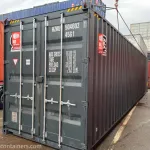
Can You Modify a 40ft High Cube Container?
The short answer is yes — you absolutely can modify a 40ft high cube container, and it is one of the most popular container types for modification projects worldwide. But the real question is not whether you can modify one; it is how to do it correctly, safely, legally, and within budget. This guide answers every dimension of that question, drawing on engineering principles, real-world pricing data, and the collective experience of thousands of modified container projects.
Key Takeaway: A 40ft high cube container offers 320 square feet of floor space with an extra foot of ceiling height compared to a standard container — making it the ideal canvas for offices, workshops, homes, retail spaces, and industrial applications. The extra height is particularly valuable when you add insulation and still want comfortable headroom.

Cargo worthy container
If you have ever shopped for a used shipping container, you have almost certainly encountered the term cargo worthy — often abbreviated as CW or CWO (Cargo Worthy Only). It is one of the most important classifications in the container industry, yet it is also one of the most misunderstood. A cargo worthy container is not a container that looks new. It is not necessarily a container that has a valid CSC plate. And it is definitely not the same as a wind and watertight container. This guide explains what cargo worthy really means — from its technical definition and historical origins to the precise structural criteria, inspection process, cost implications, and common misconceptions that trip up even experienced buyers.

Shipping container home
A shipping container home is a residential dwelling constructed from one or more steel intermodal containers — the same standardized metal boxes that transport goods across oceans, railways, and highways. These containers, engineered from corrosion-resistant Corten steel and designed to withstand brutal maritime conditions, are repurposed into fully habitable living spaces through insulation, structural modifications, and the installation of all standard residential utilities. A shipping container home can range from a minimalist 160-square-foot studio built from a single 20-foot container to a sprawling multi-level compound combining dozens of 40-foot high-cube units.
Core Definition: A shipping container home is a code-compliant, habitable structure built from one or more steel intermodal shipping containers that have been insulated, structurally reinforced where modified, and fitted with windows, doors, plumbing, electrical systems, and interior finishes to function as a permanent or semi-permanent residence.
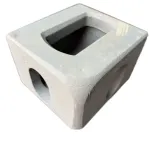
Corner casting steel vs aluminum
Every shipping container in the world — all 40 million of them — rests on eight critical components. Corner castings are the load-bearing blocks at each corner of an ISO shipping container, and they are the universal interface between the container and every crane, twistlock, spreader, and chassis on the planet. When you lift a container, stack it nine high on a ship, or lock it to a truck trailer, every ton of force flows through these fittings.