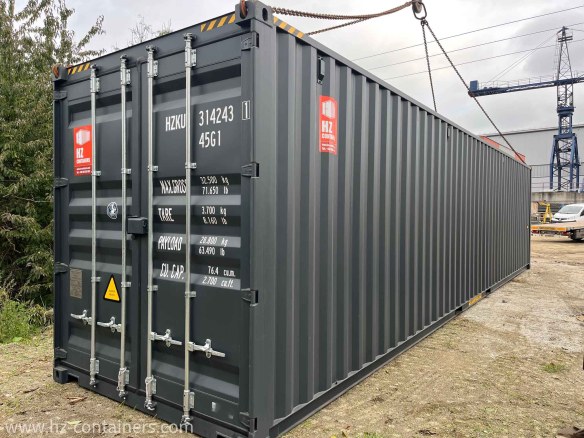
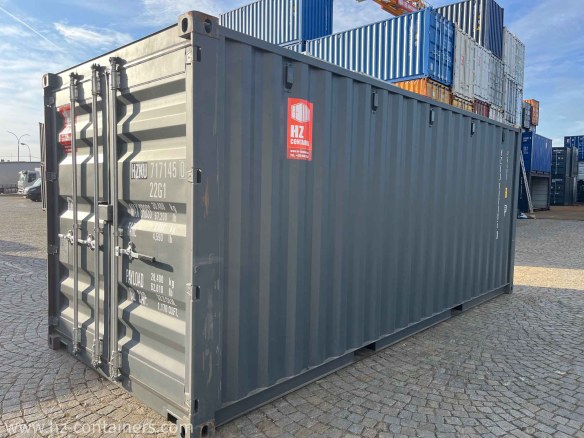
Shipping container inspection is a systematic, professional and detailed inspection process aimed at verifying the condition, safety and suitability of a shipping container for transporting goods. This activity is crucial for minimizing the risk of cargo damage, environmental protection, ensuring the safety of workers handling containers and compliance with applicable national and international regulations. Inspections take place at various stages of the logistics chain – from the manufacturing plant, through depots, transshipment points, to loading, unloading and border crossing locations. They are carried out by certified inspectors, customs officers or trained personnel.
The purpose of inspection is to identify defects, damage or non-compliance with standards that could jeopardize transport safety, cause damage to goods or lead to delays and financial losses. A key tool is a standardized checklist according to which each container is assessed.
Basic principles and importance of container inspection
Safety, quality and regulatory compliance
Inspections are not merely a formality, but a cornerstone of modern global trade.
Key principles: transport safety, cargo protection, protection of human life and health, quality assurance and compliance with legislative requirements.
Ensuring structural integrity and safety
Shipping containers face extreme loads: they are stacked on ships, handled by cranes, transported by rail and road.
A damaged frame, cracked corner castings, or a floor with cracks represent a serious risk of collapse.
The International Convention for Safe Containers (CSC) requires regular inspections precisely to prevent structural failures and protect human lives.
Cargo protection against damage
A container must protect its contents from weather, water and mechanical damage.
A so-called light test is performed (light permeability test) – the inspector closes the doors and checks whether light penetrates into the container (indication of cracks, holes or leaks).
Floors are also checked to ensure there are no protruding nails or screws that could damage the cargo.
Ensuring compliance with regulations (regulatory and international requirements)
The movement of containers is governed by standards such as CSC (Convention for Safe Containers), IMDG (for dangerous goods), and ISO standards (e.g. ISO 6346 for container marking).
Each container must have a valid CSC plate – containing information about the date of manufacture, last and next mandatory inspection.
Special goods (food, hazardous substances) require compliance with additional criteria (e.g. cleanliness, absence of contaminants, proper marking).
Increasing security and preventing illegal transport
Customs and security control is essential for detecting smuggled goods, weapons, drugs and cases of human trafficking.
Inspections take place randomly and based on risk analysis, including X-ray scanning or physical inspection.
Establishing responsibility and supporting insurance claims
Inspection protocols are key to resolving insurance claims and complaints.
On-hire and off-hire inspections determine the condition of the container upon receipt and return (basis for calculating damages and determining responsibility).
Course of professional container inspection
Tools used by the inspector
Tool
Purpose of use
Flashlight
Inspection of dark corners, undercarriage, interior
Hammer/mallet
Tapping to detect cavities, poor welds, repairs
Tape measure
Verification of dimensions, detection of roof deflection
Camera
Documentation of identified defects and overall condition
Test spray
Detection of leaks by application to joints
Moisture detector
Detection of elevated moisture in floor or walls
7-point inspection checklist (according to WCO and ISO)
Performed by the carrier before loading; inspection of cleanliness, dryness, absence of odor and mechanical damage. For reefers, also inspection of the cooling unit.
On-hire / Off-hire inspection
Takes place when renting and returning a container at the depot; serves to record condition, document damage and protect against unauthorized claims.
Periodic CSC inspection
Mandatory under the CSC convention: first after 5 years from manufacture, then maximum every 30 months. Also possible within the ACEP (Approved Continuous Examination Program) system.
Damage inspection
Specialized inspection when damage is suspected; determining the extent and cause of damage, basis for insurance payment or container disposal.
Customs and security inspection
Performed by state authorities, inspection of compliance with declaration, prevention of smuggling. Includes physical inspection, X-ray scanning, opening and partial/multi-level inspection of contents.
Typical defects and what to look for during inspection
Documentation of container condition upon handover/receipt at the depot
Modern technology in container inspection
Drones for visual inspection of container roofs in ports.
AI systems for automatic damage detection based on photographs.
Advanced X-ray scanners and chemical analyzers for detecting illegal goods/hidden modifications.
Electronic locks and IoT sensors monitoring condition, vibration, humidity and container opening in real time.
The irreplaceable role of container inspection in logistics
Shipping container inspection is a crucial control mechanism that ensures the safety of goods worth billions of dollars, protects the lives of people in direct contact with containers and ensures the smooth functioning of global logistics. From compliance with strict CSC regulations, through protection against loss or damage to goods to prevention of illegal transport – inspection is a fundamental building block of reliable logistics. With the advent of new technologies, the accuracy of inspections continues to increase, further strengthening their key role in international trade.
To provide the best experiences, we use technologies like cookies to store and/or access device information. Consenting to these technologies will allow us to process data such as browsing behavior or unique IDs on this site. Not consenting or withdrawing consent, may adversely affect certain features and functions.
Functional
Always active
The technical storage or access is strictly necessary for the legitimate purpose of enabling the use of a specific service explicitly requested by the subscriber or user, or for the sole purpose of carrying out the transmission of a communication over an electronic communications network.
Preferences
The technical storage or access is necessary for the legitimate purpose of storing preferences that are not requested by the subscriber or user.
Statistics
The technical storage or access that is used exclusively for statistical purposes.Technical storage or access that is used exclusively for anonymous statistical purposes. Absent a subpoena, voluntary compliance by your ISP, or additional records from a third party, information stored or obtained solely for this purpose cannot typically be used to identify you.
Marketing
The technical storage or access is required to create user profiles to send advertising, or to track the user on a website or across several websites for similar marketing purposes.

 Beroun, Czech Republic
  FREE SHIPPING