Intermodal Transport
Intermodal transport is a sophisticated logistics system for transporting goods using multiple modes of transportation without direct handling of cargo during vehicle changes. Standardized containers that comply with International Organization for Standardization (ISO) guidelines enable seamless transitions between ships, trains, trucks, and occasionally aircraft. This innovative method is crucial for global trade, offering cost-effective, efficient, and environmentally friendly solutions for transporting cargo over long distances.
Intermodal transport is a pillar of modern logistics, offering flexible, secure, and cost-effective methods for moving goods worldwide. As global trade grows, demand for efficient intermodal solutions increases, spurring future innovations in transportation technology and infrastructure. Whether for domestic or international transport, intermodal transport provides a strategic advantage in optimizing supply chains and reducing environmental impact.
What is Intermodal Transport?
Intermodal transport involves using two or more different modes of transportation to move cargo in one standardized container from point of origin to destination. The cargo remains in the same container throughout the entire transport duration, minimizing the risk of damage, theft, or loss by eliminating direct handling during vehicle changes.
Key Components
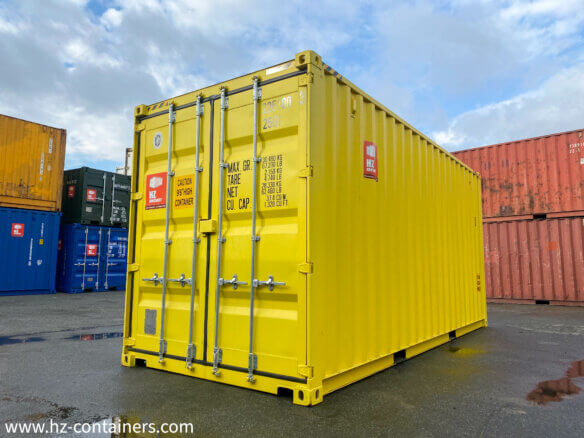
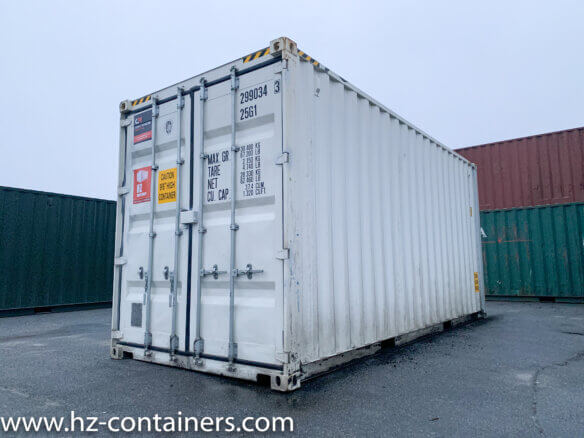
- Intermodal Containers: Large, standardized containers that can be easily transferred between transportation modes. Common sizes include 20 and 40-foot containers, which provide protection against damage and theft.
- Modes of Transportation: Typically includes a combination of rail, road, maritime, and sometimes air transport. Each mode offers specific advantages; rail is fuel-efficient for long routes, while trucks offer flexibility for short distances and last-mile delivery.
- ISO Standards: Containers comply with ISO standards, ensuring global compatibility between different transportation systems. This standardization simplifies international trade processes.
History of Intermodal Transport
The roots of intermodal transport date back to the 18th century in England, where containers were used to transport coal on canals and railways. In the mid-20th century, modern intermodal transport experienced a boom due to the development of standardized shipping containers. In the 1950s, military containerization practices were adopted for commercial use, expanding the use of steel containers. Malcolm McLean, a key figure, introduced the first modern intermodal shipping container. ISO established standards for containers in 1967, revolutionizing global shipping processes.
How Intermodal Transport Works
- Loading: Goods are packed into an intermodal container and secured for transport.
- Initial Transport: The container is loaded onto a truck for transport to a railway station or port.
- Rail or Maritime Transport: At the railway station, containers are transferred onto trains for long distances or loaded onto ships for ocean voyages.
- Final Delivery: Containers are transferred back onto trucks for delivery to the final destination.
This method optimizes the transport process by leveraging the strengths of each transportation mode, such as the fuel efficiency of rail and the flexibility of trucks.
Advantages of Intermodal Transport
- Cost Efficiency: Reduces transportation costs, especially over long distances, as rail and maritime transport are generally cheaper than road transport for bulk commodities.
- Environmental Impact: Produces fewer emissions compared to road transport, increasing sustainability.
- Security: Sealed containers reduce the risk of theft and damage, providing secure transport solutions.
- Flexibility and Accessibility: Enables access to rail and maritime transport without direct facility connections.
- Reduced Handling: Cargo remains in the same container, reducing manual handling and the risk of damage and loss.
- Scalability: Efficiently handles both large and small shipments, suitable for various industries.
Disadvantages of Intermodal Transport
- Infrastructure Requirements: Depends on adequate infrastructure, such as rail networks, ports, and intermodal terminals, whose shortcomings can lead to delays.
- Longer Transport Times: Although cost-effective, intermodal transport may have longer transport times due to transitions between modes of transportation.
- Capital Investment: Requires significant capital investment in infrastructure, which presents barriers for some regions.
Intermodal vs. Multimodal Transport
Intermodal transport is often confused with multimodal transport, which differs in certain aspects:
- Intermodal Transport: Involves multiple contracts with different carriers; cargo remains in the same container throughout.
- Multimodal Transport: Operates under a single contract with one carrier responsible for the entire journey; cargo may be transferred between different containers.
Applications of Intermodal Transport
Intermodal transport finds application in various industries, including:
- Manufacturing: Transports raw materials to factories and finished products to distributors.
- Retail: Moves large volumes of consumer goods from international suppliers to retail centers.
- Chemicals: Transports liquid chemicals in specialized ISO tanks.
- Perishable Goods: Uses temperature-controlled containers to transport food and beverages.

 Czech Republic, Třebíč
  FREE SHIPPING