
Modular Houses
Modular houses made from shipping containers represent an innovative alternative to traditional construction methods. Thanks to their flexibility and economic advantages, they are gaining increasing popularity among people seeking modern housing. These houses are made from recycled shipping containers, which provide a solid and durable structure, and offer countless possibilities for various architectural designs.
Modular container houses represent a modern and flexible solution for those seeking a fast and affordable path to home ownership. This type of construction is gaining popularity due to its efficiency and customization possibilities. Let’s take a look at the most commonly used container types that form the basis of modular houses, their advantages, usage possibilities, and variability. Modular houses made from shipping containers represent a revolutionary approach to modern housing. They offer flexibility and economic efficiency, making them an attractive choice for those seeking innovative construction solutions. Thanks to a wide range of uses and customization options, they become the ideal choice for various needs and lifestyles.

Flexibility and Variability of Modular Houses
One of the greatest advantages of modular houses made from shipping containers is their flexibility. You can easily customize them according to your ideas and needs. Containers can be combined and joined into various shapes and sizes, allowing you to create unique and original living spaces. An additional advantage is the possibility of further expanding the building or relocating it to another place, ensuring high mobility and variability.
High Cube containers, which are primarily used for modular houses, allow a wide range of modifications and design adjustments that satisfy your individual needs. You can easily transform them into living spaces, offices, studios, or any other use you can imagine. Their modular nature facilitates expansion and adaptation to changing needs.
Wide Range of Uses
Container modular houses are not limited to residential housing only. Thanks to their flexibility and variability, they can also be used for commercial purposes, such as offices, cafés, restaurants, showrooms, or hostels. This versatility opens up new opportunities for entrepreneurs seeking economically advantageous and quickly realizable construction solutions.
Fast Construction and Economic Efficiency
The construction of modular houses from containers is fast and efficient. Thanks to prefabricated modules, on-site assembly takes just a few weeks, which is significantly faster than traditional construction methods. This process not only saves time but also reduces construction costs. Compared to classic masonry buildings, container houses are more affordable, making them an attractive alternative for a wide range of customers. Such conversions are handled, for example, by the company Container Living.
The construction of modular houses from containers is much faster compared to traditional construction methods. Because containers form the basic building blocks, they can be quickly assembled on site, thereby reducing the time required for construction. This method also minimizes construction waste and reduces overall labor costs.
Modern Design and Comfort

Despite being container-based structures, these houses offer modern and comfortable living. Thanks to the use of quality materials and innovative design elements, container houses become attractive and stylish living spaces. They can be equipped with all the comforts and modern technologies, such as smart home systems, which further enhance the level of comfort and user experience.
Modern architects and designers see containers as an opportunity to create aesthetically interesting and stylish spaces. Their industrial appearance can be customized in various ways, including the use of façade panels, glass walls, and other decorative elements that increase the visual appeal of your modular home.
Permits and Legislation
Just like other buildings, modular container houses are subject to building regulations. It is important to inquire in advance about the necessary permits and legislative requirements at the local building authority. Each project may have specific requirements that must be met for the building to be legal and safe.
Why Shipping Containers?
They are sturdy, weather-resistant, last for years, and are very easily accessible. Especially thanks to their solid construction, they provide an excellent foundation for building modular homes. Equally important is that the construction from shipping containers should be carried out to a high standard by a construction company. This is particularly important because when building modular houses, it is crucial to ensure quality insulation to guarantee comfortable living in both summer and winter. Since containers are themselves made of “cold steel” which has different properties than wood, stone, or rough masonry, the insulation (both from the ceiling and from the floor) needs to be approached very carefully.
Safety and Protection
Containers offer a high level of safety thanks to their robust construction. They are designed to protect their contents from adverse conditions, making them ideal for building safe and protected living spaces. You can equip them with additional security features, such as alarms and reinforced doors, for even greater peace of mind.
Most Commonly Used Container Types for Modular House Construction
The use of 40-foot High Cube containers for building modular houses brings many advantages, including spacious design, durability, flexibility, construction speed, aesthetic appeal, and safety. These containers represent an innovative solution for modern housing and open up new possibilities for architectural projects of the future.
40 High Cube Dry Storage Container
For the construction of modular houses, the classic dry storage container of size 40 feet with High Cube height is most commonly used. Why exactly this shipping container?
High Cube containers are becoming an increasingly popular choice when building modular houses. Their unique properties and advantages make them an ideal foundation for modern and innovative housing. Let’s take a look at why you should consider using 40-foot High Cube containers for your modular house construction projects.
Space-Efficient Design of the 40’HC Container
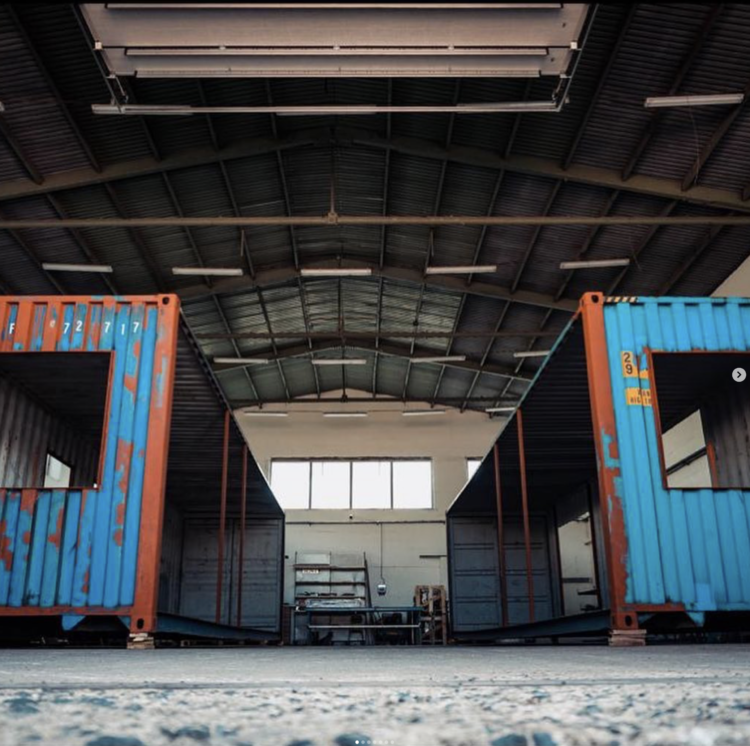
One of the main advantages of 40-foot High Cube containers is their spaciousness. Unlike standard containers, High Cube containers offer a higher ceiling, providing greater internal volume. This additional height is ideal for creating more spacious living areas, allowing the integration of insulation and other building elements without compromising the feeling of openness and airiness. A 40-foot High Cube container provides a full 12 meters in length, 2.89 meters in external height, and 2.44 meters in width. By connecting, for example, three or more of these containers, a beautiful open space is created for comfortable living with several rooms. The High Cube version is used primarily for its internal clear height, which is essential for modular houses.
Durability and Resistance of This Container
40-foot dry storage containers are designed to withstand extreme conditions during transport, making them exceptionally durable and long-lasting building blocks. Made of high-quality steel, these containers resist weather conditions, corrosion, and mechanical damage. With proper maintenance, they can serve as a safe and stable structure for decades. Containers of at least Cargo Worthy or IICL quality are used for modular constructions.
What Modular Houses Are Most Commonly Built?
Classic Shipping Containers
Shipping containers, originally designed for transporting goods by sea, have become a popular material for building modular houses. They are robust, weather-resistant, and easily accessible. Thanks to their solid construction, they provide a safe foundation for construction. When building houses from shipping containers, it is crucial to ensure quality insulation to guarantee comfortable living in both summer and winter.
Steel Frame Containers
Another popular option is steel frame containers. These containers offer greater flexibility in interior modifications and customization. The steel frame allows easier installation of insulation, wiring, and other building elements. Architects and builders appreciate their ability to adapt to various design and functional requirements. This option is ideal for those seeking a combination of strength and adaptability.
Combined Containers
Combined containers use a steel frame as the foundation for the floor, while the walls and ceilings are formed by wooden construction. This approach combines the advantages of both materials – the strength of steel and the natural aesthetics of wood. Wooden elements provide a more pleasant environment and improve thermal insulation. For many people, this type of container is an attractive choice because it offers a higher level of comfort and aesthetics.
Fully Wooden Modular Constructions
For those who prefer natural materials, modular constructions made entirely of wooden structure are available. These houses are lightweight and easily customizable. Wooden buildings offer excellent insulation properties and are popular for their ability to create a cozy and healthy indoor environment. Construction of fully wooden modular houses is fast and efficient, making them an attractive choice for customers.
Advantages of Modular Construction
Modular construction offers several advantages over traditional construction methods.
- First, there is speed – most of the construction work takes place in factory halls, which minimizes the time needed on the construction site. As a result, it is possible to complete the house within a few weeks. In addition, the process is controlled and precise, ensuring high quality of execution.
- Another advantage is design flexibility. Modular houses can be easily adapted to the individual needs and taste of the owner. Thanks to the modular system, it is possible to expand or modify the house even after construction is completed.
- Economic affordability is another key advantage. Modular houses cost less than traditional buildings, making it possible to achieve home ownership even for those who could not afford a classic house. This affordability makes container houses an attractive choice for young families, seniors, and individuals seeking independence.