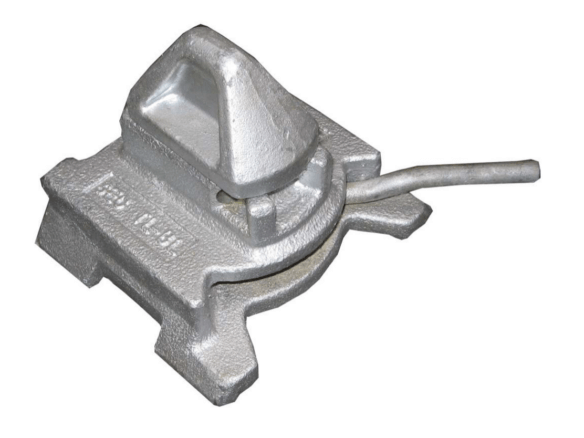
TWIST LOCK
Twist Lock, also known as twistlock, is a mechanical device used to securely fasten shipping containers during transport on ships, trucks, and railway wagons. This innovative mechanism, which has been standardized according to international standards, plays a key role in global logistics and goods transportation. Twist Lock not only stabilizes containers during transport but also simplifies handling and stacking of containers.
The Twist Lock mechanism is designed to withstand extreme loads and demanding conditions that may occur during transport, including sea turbulence, sudden braking of trains, or sharp turns on roads.
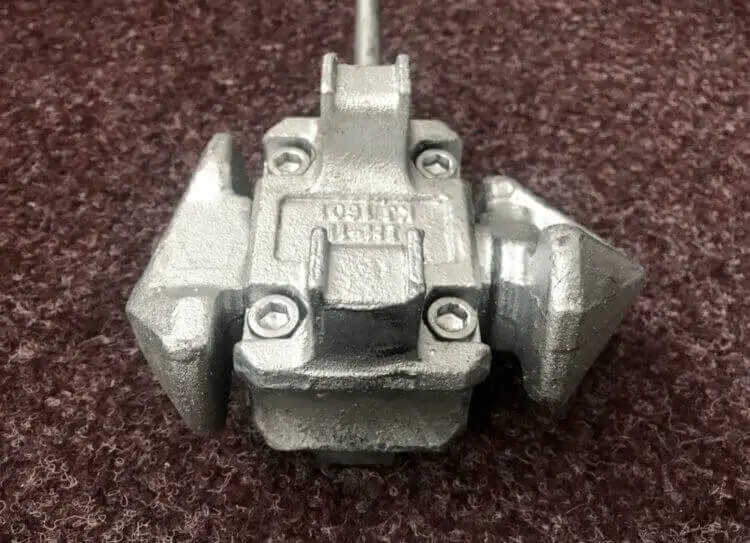
How Does Twist Lock Work?
Twist Lock operates on a simple but effective principle. It consists of two main parts:
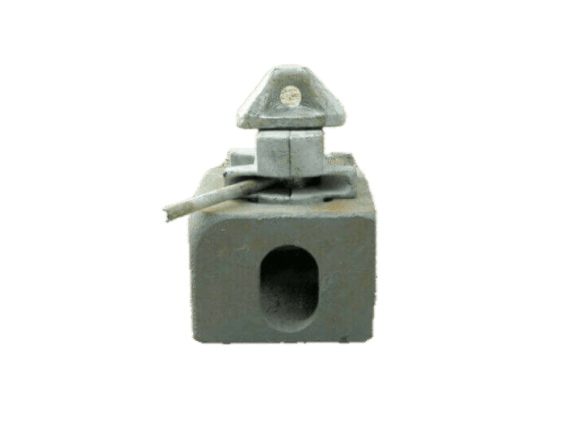
- Corner castings – these solid metal components are located at all four corners of the upper and lower parts of the container. They contain oval openings that allow the connection of Twist Lock.
- Twist Lock mechanism – the male part of the mechanism that is inserted into the corners of the container. This mechanism rotates 90 degrees after insertion, thereby securely locking in place.
Principle of Operation
The Twist Lock mechanism includes a conical shape that is designed to fit precisely into the opening of the corner casting. This cone rotates via a lever or automatic mechanism, thereby locking firmly in place. This system is key to ensuring the stability of containers during transport.
Types of Twist Locks
There are several types of Twist Locks that differ depending on the method of use and level of automation:

1. Manual Twist Lock
- Description: This type of lock is locked and unlocked manually using a lever.
- Use: Ideal for small volumes of transport or less frequent operations.
- Advantages: Low acquisition costs, simple design.
- Disadvantages: Requires human operation, which slows down handling.
2. Semi-Automatic Twist Lock
- Description: This mechanism automatically locks when the container is placed but requires manual unlocking.
- Use: Medium-sized operations where a balance between efficiency and control is needed.
- Advantages: Increased efficiency compared to manual locks, higher safety due to spring mechanism.
- Disadvantages: Still requires partial operation.
3. Fully Automatic Twist Lock
- Description: This type of lock locks and unlocks completely without human intervention.
- Use: High-capacity ports and terminals where speed is key.
- Advantages: Maximum efficiency and reduced labor costs.
- Disadvantages: Higher acquisition costs.
4. Vertical Twist Lock
- Description: Used for stacking containers on top of each other.
- Use: Ports and warehouses with high capacity.
5. Horizontal Twist Lock
- Description: This type is designed to connect containers side by side.
- Use: Stabilization of containers on platforms, ships, or for construction purposes.
6. Twist Lock for Chassis
- Description: Twist Locks welded onto vehicle chassis secure containers during road transport.
Importance of Twist Locks in Transport
Twist Locks are a fundamental element of modern transport and logistics. Their main benefits include:
Ensuring Stability:
Twist Locks ensure that containers remain in place even under turbulent conditions, such as rough seas or sudden vehicle movements.
Efficiency in Handling:
The use of Twist Locks allows for quick and safe loading and unloading of containers, thereby reducing handling time and increasing productivity.
Standardization:
Due to international standardization, Twist Locks are universally compatible with containers worldwide.
History of Twist Locks
Twist Lock was invented in the 1950s by engineer Keith Tantlinger, whose innovation eventually became an industry standard through a patent that was released for widespread use. This significantly facilitated containerization and global trade.
Maintenance of Twist Locks
To maintain the safety and functionality of Twist Locks, regular maintenance is necessary:
- Inspection: Checking for wear, corrosion, and deformations.
- Lubrication: Application of lubricant to moving parts.
- Cleaning: Removal of dirt and deposits.
- Replacement: Damaged or non-functional Twist Locks should be replaced immediately.
Future of Twist Locks
With innovations in materials and automation, the following can be expected:
- Smart Twist Locks: Sensors for load monitoring.
- Lighter Materials: High-strength alloys.
- Automation: Fully robotic systems.
 Czech Republic
  WITHOUT SHIPPING