
Advantages of 45’HC PW Double Curtain Side Container
What is a 45’HC PW Double Curtain Side Container?
The 45′ HC PW Double Curtain Side represents a premium hybrid between a classic shipping container and the flexibility of a curtain-sided trailer. It is a special type of intermodal container designed for maximum efficiency in storage and transport – it allows side loading thanks to double curtain-sided panels, features increased height (High Cube) and is optimized for wide pallet loading (Pallet Wide).
Name Breakdown and Basic Specifications
| Abbreviation/Name | Meaning | Practical Advantage |
|---|---|---|
| 45′ | Length of 45 feet (13,716 m) | Largest standardized container for the European market, enables transport of bulky goods. |
| HC (High Cube) | Increased height (2,896 m) | More space for taller goods or stacking pallets. |
| PW (Pallet Wide) | Internal width optimized for two euro pallets side by side (2,444 mm) | Enables transport of up to 33 euro pallets, up to 30% more than a standard 40′ container. |
| Double Curtain Side | Double curtain-sided panel instead of steel walls | Extremely fast and convenient side access, flexible loading and unloading. |
This container is therefore an ideal solution for companies that require a combination of maximum capacity, easy handling and full intermodality.
Key Technical Properties and Specifications
Dimensions and Capacity
Based on data from leading manufacturers (Singamas, Armen Shipping, CBOX Containers):
| Parameter | Value (metric/imperial) | Note |
|---|---|---|
| External length | 13,716 mm / 45′ 0″ | Standardized length for intermodal transport |
| External width | 2,500 mm / 8′ 2.4″ | Wider than standard ISO container (2,438 mm) |
| External height | 2,896 mm / 9′ 6″ | High Cube specification |
| Internal length | 13,556 mm / 44′ 5.7″ | Maximum loading length |
| Internal width | 2,444 mm / 8′ 0.2″ | Allows two euro pallets side by side |
| Internal height | 2,690–2,695 mm / 8′ 10.1″ | Space for taller cargo/stacking |
| Volume | 89.2 m³ / 3,150 ft³ | Approximately 13% more than 40’HC |
| Pallet capacity | 33 euro pallets | Efficiency for palletized goods |
Weight Limits
| Parameter | Value | Note |
|---|---|---|
| Tare weight | 4,280–5,980 kg | Varies by manufacturer and equipment (curtain, floor) |
| Max. payload | 28,020–29,250 kg | Lower than 40’HC due to higher tare weight |
| Max. total weight | 34,000 kg | Standard for heavy containers |
Materials and Construction
- Frame: High-strength steel (often Corten), complies with ISO668, ISO1496-1, ISO3874 and ISO1161.
- Roof and front walls: Corrugated steel, excellent corrosion resistance (Corten steel).
- Floor: Multi-layer plywood, often bamboo (higher load capacity, more ecological), typically 28 mm thick, anti-slip finish.
- Curtains: Highly durable PVC curtains with reinforcing mesh, complying with TIR standards, resistant to tearing, UV and water.
Additional Structural Elements
- Euro-castings: Special corner fittings adapted for European handlers and trailers.
- Grappler arms: Fittings for straddle lift truck, enabling efficient handling.
- Mezzanine floor (with some manufacturers): Allows a second level of palletization.
Main Advantages of 45’HC PW Double Curtain Side Container
Flexible and Fast Handling
- Side access: Double sliding curtains allow opening of the entire long side and immediate access to all pallets.
- Fast loading/unloading: Possibility of side handling with forklifts, dramatically reduces times in distribution centers.
- Loading oversized goods: Long or atypical items can be easily loaded without problems that would not fit in a standard container.

Maximum Space Utilization
- Euro pallet optimization: Two euro pallets side by side, up to 33 in one layer. For comparison:
- Standard 40′ holds only 25 euro pallets.
- 45’HC PW holds up to 30% more pallets.
- High Cube effect: Higher stacking of pallets, utilization for bulky, lighter goods.
- Mezzanine floor option: Double volume utilization for lighter goods.
Full Intermodality
- Stackability: Load-bearing frame allows stacking up to 9 layers on a ship.
- Universal handling: Compatible with all common handling equipment (gantry cranes, reach stackers, railway wagons, trucks).
- No transshipment required: Transition between maritime, rail and road transport without unloading cargo = time savings, lower damage.
Cargo Safety and Protection
- Robust frame: Protection against deformation, break-ins, stacking.
- Durable curtains: Reinforced, secured with straps and buckles, possibility of customs sealing (TIR rope).
- Weather protection: Curtains are 100% waterproof, resistant to UV radiation, snow, wind.
- Safety standards: Compliance with ISO, TIR and European road standards.
Economic and Ecological Efficiency
- Fewer transport units: Higher capacity = fewer trips, lower transport costs.
- Lower carbon footprint: Fewer truck and train journeys and less ship utilization means lower emissions per transported unit.
- Time savings: Fast loading/unloading reduces downtime, optimizes supply chain.
Comparison with Other Container Types
| Container Type | Advantages | Disadvantages | Ideal For |
|---|---|---|---|
| 45’HC PW Double Curtain Side | Extreme flexibility, max. capacity (33 EP), intermodality, side access | Higher purchase price, higher tare weight, lower protection against break-ins | Palletized goods, oversized cargo, fast-moving goods |
| 45’HC PW Dry Van | Solid steel walls, higher security, lower price | Loading only from rear, unsuitable for atypical goods | Valuable goods, dense goods, standardized transport |
| 40′ High Cube (Standard Width) | Availability, lower transport costs | Lower capacity, inefficient for euro pallets | Most common goods, export outside EU |
| Open Top Container | Loading from above with crane | Less weather protection, complexity in covering with tarpaulin | Extremely tall/heavy cargo, machinery |
Practical Applications and Industries
Where are containers used?
- Automotive industry: Transport of JIT components, tires, parts, chassis.
- Construction: Long profiles, pipes, palletized building materials (bricks, cement).
- Beverage industry: Full pallet shipments, fast handling in warehouses.
- FMCG: Fast-moving goods for hypermarkets, central warehouses.
- Timber/paper industry: Lumber, paper rolls, palletized products.
- Engineering: Machinery, equipment that is easier to load from the side.
News and Trends (2024–2026)
- Enhanced security curtains: New generations of PVC with internal reinforcement and increased protection against vandalism and cutting.
- Digital monitoring: GPS trackers, humidity, temperature and curtain opening sensors.
- Ecological materials: Expanded use of bamboo floors, recycled plastics in construction.
- Smart labels: RFID for rapid tracking of container movement in real time.
Frequently Asked Questions (FAQ)
1. Is this type of container safe for transporting valuable goods?
Yes, but for high-value goods we recommend additional security (alarm, GPS, customs seal) or rather a Dry Van with solid walls.
2. Can containers be used for storage?
Yes, they are ideal for mobile warehouses, construction sites, temporary cargo transfers – easy handling and quick access.
3. What is the lifespan of Curtain Side containers?
With proper maintenance (curtain inspection, mechanism lubrication) 15–20 years or more.
4. How is curtain maintenance performed?
Regular cleaning, inspection of tensioning mechanisms and quick repair of any tears will extend the lifespan of the curtain.
Why Choose This Container?
- Maximizes space and capacity utilization
- Enables fast and safe loading/unloading of even oversized goods
- Reduces transport costs and carbon footprint
- Is fully compatible with European and global logistics chains

 Czech Republic, Třebíč
  FREE SHIPPING


Other container news...
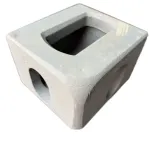
Corner casting steel vs aluminum
Every shipping container in the world — all 40 million of them — rests on eight critical components. Corner castings are the load-bearing blocks at each corner of an ISO shipping container, and they are the universal interface between the container and every crane, twistlock, spreader, and chassis on the planet. When you lift a container, stack it nine high on a ship, or lock it to a truck trailer, every ton of force flows through these fittings.

Construction cabin – selection, tips, dimensions and prices
Every construction project – whether a family house, a development project or a reconstruction – starts with the infrastructure. No construction manager, craftsman or investor who needs an on-site office, a changing room for workers or a safe storage for tools can do without a quality construction cell. But navigating the offer is not easy: residential containers, sanitary cells, storage modules, rental, purchase, refurbished pieces… This guide will give you answers to all the essential questions in one place.
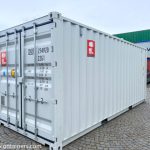
Storage container
A storage container is a lockable steel box designed for the safe and dry storage of materials, tools, goods or equipment. Originally created as a shipping container for maritime transport, its durability and versatility have found their way onto construction sites, corporate premises and private land.
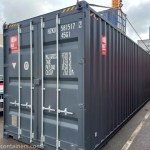
Shipping container 12m (40 ft)
A 12m shipping container is an investment that, if properly selected and cared for, will pay off in decades of trouble-free use. Whether you plan to use it as a warehouse, workshop, garage or the basis for a residential module — the key is careful selection of the condition, a thorough inspection before purchase and high-quality preparation of the base for placement. Take the time to compare offers, check the seller’s references and do not hesitate to personally inspect the container before buying. A properly selected 40-foot container will serve you reliably for many years.