
CU. CAP. – Cubic Capacity
Maximum Internal Volume
CU. CAP. is a key indicator for efficient management of transport operations. Knowledge of this value and its proper utilization can lead to significant savings and increased efficiency of transport. When planning transport, it is important not only to consider this parameter, but also to optimize packing and stacking of goods, so that the container is utilized as efficiently as possible.
If you are interested in shipping containers, you have probably already encountered various abbreviations and terms used in this field. One of these abbreviations is CU. CAP., which plays a key role in determining container capacity. In this article, we will look at what this abbreviation means and why it is important for anyone involved in shipping goods.
What does CU. CAP. mean?
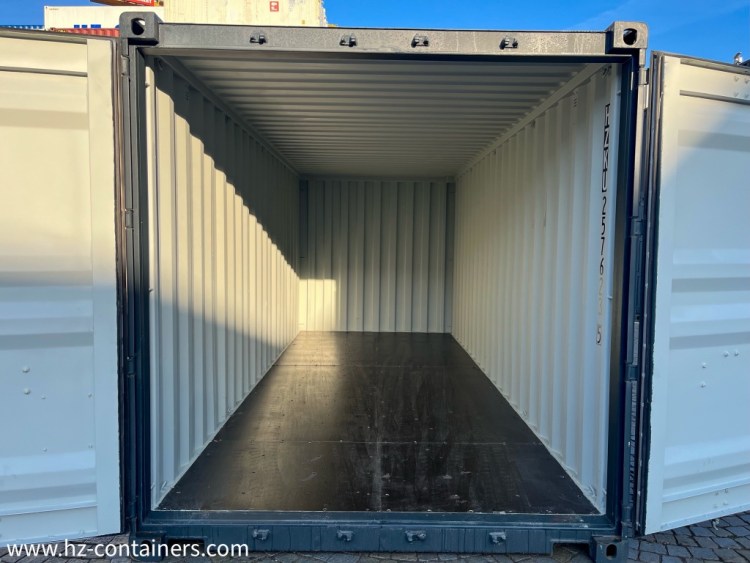
CU. CAP. is an abbreviation for “Cubic Capacity”, which means volume capacity. This abbreviation specifies the maximum internal volume of space available in the container for cargo.
It is one of the key parameters that transporters consider when planning cargo operations, as it determines how much goods can be loaded into the container.
Importance of volume capacity
Volume capacity is essential for optimizing cargo transport. Knowledge of CU. CAP. allows transporters to use space efficiently, which is key to reducing costs and increasing efficiency.
It is important that the container is filled as efficiently as possible, without exceeding its capacity, which could lead to damage to goods or dangerous situations during transport.
Measuring CU. CAP.
CU. CAP. is measured in cubic meters or cubic feet, depending on the region and standards used by transport companies. The measurement includes calculating the internal dimensions of the container, namely its length, width and height. These dimensions are then multiplied to obtain the total internal volume of the container.
Considering CU. CAP. when selecting a container
When selecting an appropriate container for transport, it is important to consider not only its CU. CAP., but also the type of goods you plan to transport. Some types of goods may require special types of containers that offer specific features, such as cooling or ventilation. A proper understanding of CU. CAP. will help you determine whether a standard container will be sufficient for your needs, or whether you will need a special solution.
Practical tips for utilizing volume capacity
- Optimize packing: Make sure that goods are packed in a way that maximizes the available space. This may include using smaller packages or special packaging techniques.
- Use of stacking: Stacking goods in a container can significantly increase its capacity. However, it is important to ensure that stacking does not lead to damage to goods.
- Combination of different types of goods: If possible, combine different types of goods to efficiently utilize the total CU. CAP. of the container.