
Shipping containers in Trieste Italy
Shipping containers in Trieste represent a key element of international maritime logistics and trade. Trieste, the largest Italian port for container transport, is located in the north of the Adriatic Sea and serves as a strategic logistics center for the transportation of goods from all corners of the world. Shipping containers are standardized transport units that enable efficient handling, storage, and transport of goods by sea, and in Trieste they are handled in enormous quantities every day.
What are shipping containers in Trieste?
Shipping containers in Trieste are standardized metal transport units used for international maritime transport of goods. These are robust metallic boxes with precisely defined dimensions and weight that meet international ISO standards and CSC certifications. In the port of Trieste, millions of these containers are handled annually, making it one of the most important logistics gateways to Central and Eastern Europe.
The containers in Trieste come from global trade routes and offer a variety of types, sizes, and technical specifications. Their primary function is the safe and economical transport of goods over long distances, but in Trieste they are also used for storage and as the basic unit for intermodal transport, which combines maritime, rail, and road transport.
What is the history of shipping containers in Trieste?
The history of shipping containers in Trieste is closely linked to the development of modern logistics and international trade. Standardized shipping containers began to be used in the 1950s, when American entrepreneur Malcolm McLean revolutionized transport by introducing unified transport units. This innovation enabled faster loading and unloading of goods, reducing transport costs and times.
Trieste, which is located near the border with Slovenia and has excellent connections to Central Europe, gradually became one of the main centers for container handling in Europe. During the 1970s and 1980s, the port was modernized and equipped with special infrastructure for efficient container processing. Today, Trieste is one of the fastest-growing ports in the Mediterranean, processing over 600,000 TEU (Twenty-foot Equivalent Units) annually.
The strategic location of Trieste on the northern border of Italy and its direct connections to rail and road corridors leading to Central and Eastern Europe make it indispensable for logistics in this region. The port is constantly modernizing and expanding its capacities to effectively serve the growing volume of international trade.
How do shipping containers work in Trieste?
Shipping containers in Trieste operate within a complex logistics system that includes the reception, storage, inspection, and dispatch of goods. The process of container handling in the port of Trieste is divided into several key phases:
Arrival and unloading
Cargo ships arrive at the port of Trieste with containers loaded on board. Special unloading equipment, such as container cranes (STS – Ship-to-Shore cranes), unload containers from the ship and place them on access roads or in warehouses. This process requires precise coordination and safety procedures.
Storage and management
Unloaded containers are moved to storage areas, where they are sorted according to their destination and contents. Trieste has an extensive storage infrastructure with a modern information system that tracks the location of each container. Containers can be stored temporarily or for a longer period, depending on the needs of clients and the transport schedule.
Inspection and control
Before dispatch, shipping containers in Trieste undergo a thorough inspection to ensure that they meet safety and quality standards. The inspection includes a visual examination, verification of certifications (ISO, CSC), and, if necessary, technical testing. These measures guarantee that goods are transported safely and legally.
Intermodal transport
Trieste is a significant intermodal transport hub, where containers are transferred from ships to trains or trucks. The port has direct rail connections to the European network, enabling efficient transport of containers to the inland. This intermodal capability makes Trieste attractive for businesses that need comprehensive logistics solutions.
Dispatch and shipment
Finally, the containers are dispatched to their final recipients via the selected means of transport. Trieste offers flexible solutions that allow clients to choose the optimal combination of maritime, rail, or road transport.
What are the main types of shipping containers in Trieste?
In the port of Trieste, various types of shipping containers are handled, each designed for specific types of goods and transport needs. Understanding these types is important for the proper selection of a container for a given cargo.
Dry containers
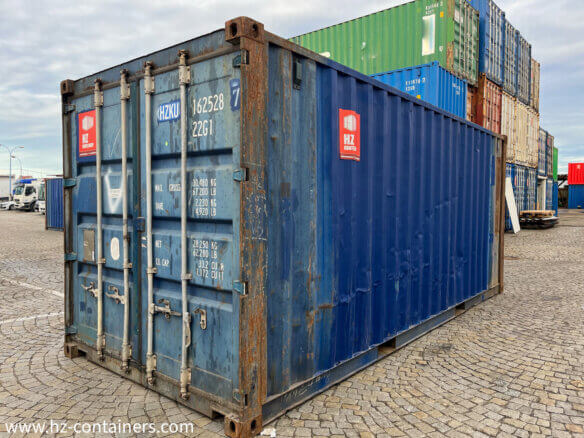
Dry containers are the most commonly used type of shipping containers in Trieste. These are enclosed metal boxes suitable for the transport of dry goods, such as electronics, textiles, machinery, furniture, and many other products. They are most commonly found in sizes of 20 feet (20′) and 40 feet (40′).
High Cube containers
High Cube (HC) containers have an increased height compared to standard dry containers. While a standard 40′ container has a height of 2.59 meters, the HC version has a height of 2.896 meters. This extra height provides about 13% more volume, making it ideal for transporting light but bulky cargo. In Trieste, HC containers are becoming increasingly popular due to their increased capacity.
Reefer containers
Reefer (refrigerated) containers are special units with their own cooling system, designed for the transport of temperature-sensitive goods, such as fruit, vegetables, meat, fish, and pharmaceutical products. In Trieste, which is an important center for food trade, reefer containers are an essential part of logistics.
Open Top containers
Open Top containers do not have a fixed roof and instead have a tarpaulin roof that can be opened. These containers are suitable for the transport of tall or bulky items, such as machinery, building materials, and heavy goods. They allow the unloading of goods from the upper part, which is practical for certain types of cargo.
Flat Rack containers
Flat Rack containers are minimalist units without sides and a roof, designed for the transport of very large, heavy, or unusual items, such as vehicles, construction machines, and industrial equipment. In Trieste, they are used for specialized logistics.
| Container type | Dimensions (length × width × height) | Capacity (m³) | Main use |
|---|---|---|---|
| 20′ Dry | 6.06 × 2.44 × 2.59 m | 33 m³ | General goods, electronics, textiles |
| 40′ Dry | 12.19 × 2.44 × 2.59 m | 67 m³ | Extensive cargo, bulk goods |
| 40′ HC | 12.19 × 2.44 × 2.896 m | 76 m³ | Light, bulky goods |
| Reefer 20′ | 6.06 × 2.44 × 2.59 m | 28 m³ | Food, pharmaceuticals (refrigerated) |
| Reefer 40′ | 12.19 × 2.44 × 2.59 m | 58 m³ | Bulk refrigerated cargo |
| Open Top 40′ | 12.19 × 2.44 × 2.59 m | 67 m³ | Tall, bulky items |
| Flat Rack 40′ | 12.19 × 2.44 × 1.30 m | Variable | Heavy machinery, vehicles |
How do shipping containers in Trieste differ from other ports?
Trieste differs from other Italian and European ports in its strategic location, infrastructure, and logistics capabilities. Understanding these differences is important for choosing the right port for your logistics needs.
Geographical advantage
Trieste is located in the north of the Adriatic Sea, near the border with Slovenia and Croatia. This location makes it the closest port to Central and Eastern Europe, which means shorter transport times and lower transport costs for businesses in this region. In contrast, other Italian ports, such as Genoa or Venice, are more distant from these markets.
Capacity and efficiency
The port of Trieste processes over 600,000 TEU annually, ranking it among the medium-sized but highly efficient ports. Genoa, the largest Italian port, processes more than 2 million TEU, but is more distant and has higher costs. Venice, the second port in the Adriatic Sea, processes only about 200,000 TEU. Trieste therefore offers an ideal balance between capacity and efficiency.
Infrastructure and services
Trieste is equipped with modern infrastructure, including advanced container handling systems, extensive storage areas, and sophisticated information systems. The port offers comprehensive services, such as inspections, maintenance, container repairs, and intermodal logistics. These services make Trieste attractive for businesses that need comprehensive logistics solutions.
Direct connection to Central Europe
Trieste has direct rail and road connections to the European network, including important corridors leading to Central and Eastern Europe. This connection enables efficient intermodal transport, combining maritime, rail, and road transport. Other ports, such as Genoa, do not have such a direct and efficient connection.
Competitive prices
Thanks to its efficiency and strategic location, Trieste offers competitive prices for container handling. Used containers in Trieste are often cheaper than in other ports, because the port has constant access to units originating from global trade routes.
| Port | Geographic location | Annual capacity (TEU) | Main advantages | Disadvantages |
|---|---|---|---|---|
| Trieste | North of the Adriatic Sea | 600,000+ | Access to Central Europe, competitive prices, modern infrastructure | Smaller than Genoa |
| Genoa | Ligurian Sea | 2,000,000+ | Largest Italian port, high capacity | Higher prices, more distant from Central Europe |
| Venice | North of the Adriatic Sea | 200,000+ | Close to Trieste, historic port | Lower capacity, less accessibility |
| Gioia Tauro | Calabria (Tyrrhenian Sea) | 3,000,000+ | Largest in southern Italy | Very far from Central Europe |
What are the practical applications of shipping containers in Trieste?
Shipping containers in Trieste are used in a wide variety of practical applications that go far beyond traditional maritime transport. Understanding these applications helps businesses optimize their logistics strategies.
International trade and transport
The primary application of shipping containers in Trieste is international trade. Businesses use containers to transport goods from all continents to Central and Eastern Europe and vice versa. Trieste serves as a key point in global supply chains, enabling efficient and cost-effective transport.
Intermodal logistics
Trieste is a significant intermodal logistics hub, where containers are transferred from ships to trains or trucks. This capability enables businesses to use a combination of different modes of transport to optimize costs and transport times. Trieste’s direct rail connection to the inland makes this service particularly attractive.
Storage and temporary warehousing
Shipping containers are used in Trieste as storage units. Businesses can store their goods in containers at the port, allowing flexibility in inventory management and reducing warehouse rental costs. This application is particularly useful for businesses with unpredictable demand.
Special transport
Trieste specializes in special transport, such as the transport of food in reefer containers, the transport of heavy machinery in flat rack containers, and the transport of tall items in open top containers. This specialization makes Trieste attractive for businesses with specific logistics needs.
New and innovative uses
Shipping containers are increasingly used in Trieste and the surrounding area for new applications, such as the construction of modular buildings, offices, residential spaces, and shopping centers. These innovative uses represent the future of recycling and reusing containers.
What are the future trends in shipping containers in Trieste?
The shipping container industry in Trieste is constantly evolving in line with global trends in logistics, technology, and sustainability. Understanding these trends is important for businesses that want to prepare for the future.
Digitalization and automation
Trieste is gradually introducing digital systems and automation in container handling. New technologies, such as IoT sensors, artificial intelligence, and robotics, improve the efficiency, safety, and accuracy of operations. These technologies enable better real-time tracking of containers and prediction of problems.
Sustainability and ecology
The growing pressure to reduce the carbon footprint is leading to the introduction of more environmentally friendly technologies in the port of Trieste. The port is investing in the electrification of handling equipment, the use of renewable energy sources, and the reduction of emissions. This focus on sustainability is in line with European climate goals.
Intermodal integration
The future of logistics in Trieste lies in the deeper integration of maritime, rail, and road transport. Trieste is becoming an increasingly important hub in the European intermodal network, with direct connections to the inland. This integration enables the creation of comprehensive logistics solutions that optimize costs and times.
Capacity expansion
Trieste is planning to expand its capacity to serve the growing volume of international trade. New infrastructure projects, such as the expansion of storage areas and the modernization of handling equipment, will increase the productivity of the port.
Security and compliance
With growing concerns about security and compliance, Trieste is introducing stricter security measures and procedures. New technologies, such as biometric systems and advanced inspections, increase security and reduce the risk of theft and illegal trade.
Frequently asked questions about shipping containers in Trieste
What are the standard dimensions of a shipping container in Trieste?
The standard dimensions of a shipping container are defined by the international ISO standard. The most commonly used sizes are 20 feet (20′) and 40 feet (40′). A 20′ container has dimensions of approximately 6.06 × 2.44 × 2.59 meters with a capacity of 33 m³. A 40′ container has dimensions of approximately 12.19 × 2.44 × 2.59 meters with a capacity of 67 m³. The High Cube version of the 40′ container has an increased height of 2.896 meters and a capacity of 76 m³. In Trieste, these standard dimensions are commonly used.
What certifications should a shipping container in Trieste have?
Shipping containers in Trieste should have ISO and CSC (Convention for Safe Containers) certifications. ISO certification ensures that the container meets international standards for dimensions, safety, and quality. CSC certification is legally required for international transport and confirms that the container is safe for transport by sea and road. These certifications are checked in Trieste upon the arrival and dispatch of containers.
How much does it cost to rent a shipping container in Trieste?
The rental price of a shipping container in Trieste depends on the type of container, its condition, the length of the rental, and market conditions. It is approximately between 500 and 2000 EUR per month for a standard 20′ or 40′ container. New containers are more expensive than used ones. Reefer containers and special types are also more expensive. It is best to request a specific price quote from a provider in Trieste.
How long does it take to unload a container from a ship in Trieste?
The time to unload a container from a ship in Trieste depends on the number of containers on the ship, the availability of unloading equipment, and administrative processes. Typically, unloading a single container takes 15 to 30 minutes. The entire process from the arrival of the ship to the complete unloading of all containers can take several days, depending on the size of the ship and the capacity of the port.
Can I buy a used container in Trieste?
Yes, it is possible to buy or rent used shipping containers in Trieste. The port has direct access to a wide selection of used containers from global trade routes. Used containers are usually cheaper than new ones, but they should be properly inspected and certified. Providers in Trieste offer inspection, maintenance, and repair services to ensure that used containers meet the required standards.
How are containers transported from Trieste to the inland?
Containers are transported from Trieste to the inland using intermodal logistics, which combines maritime, rail, and road transport. Trieste has direct rail connections to the European network, enabling efficient transport of containers by rail. Alternatively, containers can be transported by trucks on roads. The choice of transport mode depends on the destination, costs, and time requirements.
What is the best period for transporting containers in Trieste?
Container transport in Trieste is possible year-round, but times and costs can vary depending on the season. Summer months (June to August) are usually busier and prices may be higher. Winter months (December to February) may be cheaper, but weather can affect sailing schedules. It is best to plan transport well in advance and consult with a logistics provider.
What types of goods are most commonly transported in containers in Trieste?
In Trieste, a wide variety of goods are transported, including electronics, textiles, footwear, machinery, furniture, automobiles, food, pharmaceutical products, and many others. Reefer containers are used for the transport of refrigerated cargo, such as fruit, vegetables, and meat. Trieste is particularly important for the food and agricultural products trade.
Are there any restrictions for transporting certain types of goods in Trieste?
Yes, there are restrictions and regulations for the transport of certain types of goods, especially hazardous materials, weapons, and protected species. Trieste is governed by international rules and Italian laws. Businesses should consult with customs and logistics specialists to ensure compliance with applicable regulations. Some types of goods require special certifications and documentation.
How is the location of a container tracked in Trieste?
Modern systems in Trieste enable real-time tracking of the location of a container. Logistics providers use advanced information systems that connect data from the port, ships, and carriers. Customers can track their container online to see where it is and what the status of its dispatch is. This tracking is important for supply chain management and communication with customers.

 Italy, Trieste
  WITHOUT SHIPPING

Other container news...

New sea shipping containers
If you are currently considering purchasing a new shipping container, you are not alone. While just twenty years ago containers were used almost exclusively for maritime transport, today they have found their way into construction, storage, business, and even housing. This growing popularity brings with it a host of questions: Which type should you choose? How much does it cost? How do you recognize quality? How can you avoid falling victim to scammers?
New shipping containers
If you are currently considering purchasing a new shipping container, you are not alone. While just twenty years ago containers were used almost exclusively for maritime transport, today they have found their way into construction, storage, business, and even housing. This growing popularity brings with it a host of questions: Which type should you choose? How much does it cost? How do you recognize quality? How can you avoid falling victim to scammers?

6m shipping container
Are you thinking about buying a 6-meter shipping container but aren’t sure what to look for? You are not alone—this 20-foot container is the best-selling size on the Czech market, and the differences between various types, conditions, and prices can be significant. In this guide, you will find everything you need to know: from exact dimensions and a comparison of categories (such as “one-way,” refurbished, and “Cargo Worthy”) to current prices and shipping advice.
Corner casting steel vs aluminum
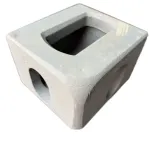
Every shipping container in the world — all 40 million of them — rests on eight critical components. Corner castings are the load-bearing blocks at each corner of an ISO shipping container, and they are the universal interface between the container and every crane, twistlock, spreader, and chassis on the planet. When you lift a container, stack it nine high on a ship, or lock it to a truck trailer, every ton of force flows through these fittings.