
Use of Refrigerated Containers in the Pharmaceutical Industry
Refrigerated containers, often referred to as “reefers”, are specialized temperature-controlled units that play a crucial role in the pharmaceutical industry. These containers ensure safe storage and transportation of temperature-sensitive pharmaceutical products, including vaccines, biologics, medicines, and raw materials. The importance of these containers has increased significantly, particularly during global health crises, such as the COVID-19 pandemic, when precise temperature regulation was key to vaccine distribution.
This glossary examines refrigerated containers in the pharmaceutical industry, their components, applications, benefits, and compliance requirements. It further addresses key supporting technologies and emerging trends in cold chain logistics.
What are refrigerated containers?
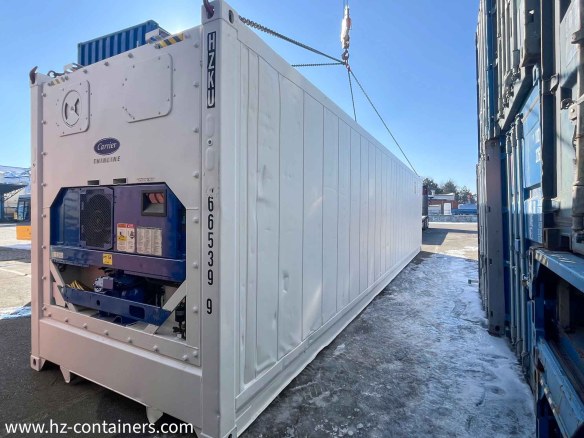
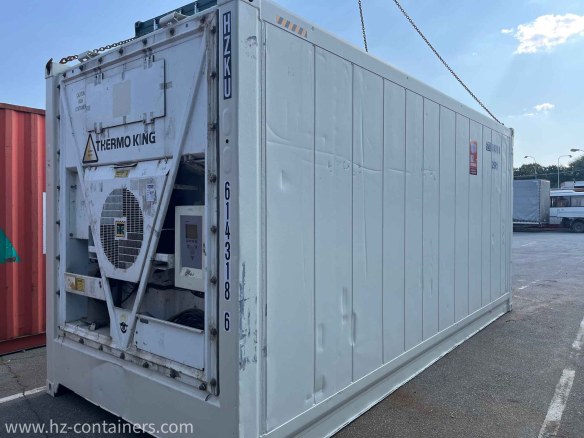
Refrigerated containers are insulated and temperature-controlled transport units designed to maintain a stable environment for sensitive cargo. In the pharmaceutical industry, these containers are essential for preserving the efficacy, safety, and quality of temperature-sensitive products during transportation and storage.
Main components
- Temperature-controlled units (TCUs): Advanced cooling systems ensure precise temperature regulation, often integrated with automated cooling mechanisms.
- Insulated walls: Walls are reinforced with high-quality materials, such as vacuum-insulated panels (VIPs), to provide thermal protection against external conditions.
- Monitoring systems: Real-time sensors and data loggers track temperature, humidity, and other environmental parameters. Many systems now include IoT connectivity for seamless monitoring.
Common temperature ranges
- +2 °C to +8 °C (refrigerated conditions for vaccines and biologics),
- +15 °C to +25 °C (controlled room temperature for common medicines),
- -20 °C to -70 °C (ultra-low temperatures for specialized products, such as mRNA vaccines).
Importance of refrigerated containers in the pharmaceutical industry

1. Ensuring product integrity
Temperature-sensitive products, such as vaccines and biologics, are highly susceptible to temperature fluctuations. Even minor deviations can lead to degradation, reduced efficacy, or safety risks. Refrigerated containers maintain a stable environment, prevent product deterioration, and ensure product integrity throughout the supply chain.
2. Regulatory compliance
Global regulatory bodies, including the FDA, EMA, and WHO, establish strict guidelines for the storage and transportation of temperature-sensitive pharmaceutical products. Refrigerated containers are designed to meet these requirements, in accordance with Good Distribution Practice (GDP) and Good Manufacturing Practice (GMP) standards.
3. Streamlining the supply chain
Refrigerated containers play a key role in the cold chain logistics of the pharmaceutical industry. By ensuring that products remain within specified temperature ranges, they enable global distribution of vital medicines, even to remote or underserved areas. This supports better access to healthcare and improved public health outcomes.
4. Cost savings
By preventing product deterioration and losses due to temperature deviations, refrigerated containers contribute to cost savings. Additionally, energy-efficient designs and reusable containers reduce environmental impact, which aligns with sustainability goals.
Key benefits of refrigerated containers
1. Precise temperature regulation
- Advanced cooling systems ensure consistent and reliable temperature ranges throughout the entire transportation route.
- Real-time monitoring systems immediately detect and address temperature deviations, minimizing risks.
2. Versatility
- Suitable for a wide range of pharmaceutical products, including vaccines, insulin, blood plasma, and clinical trial samples.
- Compatible with various modes of transportation, including air, sea, and road transport.
3. Enhanced security
- Equipped with anti-tampering security, locking mechanisms, and GPS tracking to prevent theft.
- Monitoring systems provide transparency and accountability during transportation.
4. Scalability
- Available in various sizes (e.g., 20-foot, 40-foot units) to accommodate different shipment volumes and operational needs.
5. Environmental compliance
- Many refrigerated containers feature energy-efficient technologies and advanced insulation materials that reduce their carbon footprint.
Applications of refrigerated containers in the pharmaceutical industry
Vaccine transportation
- Vaccines, including mRNA-based COVID-19 vaccines, require ultra-low storage conditions (-70 °C). Specialized containers with advanced freezing capabilities ensure their safe transportation over long distances.
Pharmaceutical storage
- Antibiotics, biologics, and other medicines are stored in these containers to maintain their stability and efficacy during transportation.
Clinical trials
- Samples and materials for clinical trials often require strict temperature control to ensure the validity of studies.
Blood and plasma transportation
- Blood components and plasma with precise temperature requirements are safely transported in refrigerated containers.
Organ and tissue preservation
- Organs and tissues intended for transplantation are transported in very cold conditions to preserve their viability.
Cold chain management
Cold chain management refers to the complex process of maintaining temperature control for sensitive pharmaceutical products throughout the entire supply chain. Refrigerated containers are the cornerstone of this system, complemented by:
- Refrigerated warehouses and freezer rooms,
- Reefer cargo vehicles and temperature-controlled air transport,
- Advanced GPS tracking and IoT-enabled monitoring systems.
Future trends and innovations
Blockchain technology
- Enables secure and transparent tracking of shipments, including temperature data and shipment history.
Integration of renewable energy sources
- Solar-powered refrigerated containers are being developed to reduce environmental impact.
- AI algorithms optimize logistics by predicting risks and automating responses to disruptions.
Modular solutions
- Compact and modular cooling units are gaining popularity for small-scale storage and transportation.
Redundant systems
- Dual cooling systems and backup cooling mechanisms ensure uninterrupted operation.
 Czech Republic, Třebíč
  FREE SHIPPING

Other container news...
Corner casting steel vs aluminum
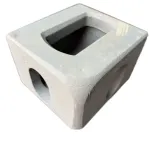
Every shipping container in the world — all 40 million of them — rests on eight critical components. Corner castings are the load-bearing blocks at each corner of an ISO shipping container, and they are the universal interface between the container and every crane, twistlock, spreader, and chassis on the planet. When you lift a container, stack it nine high on a ship, or lock it to a truck trailer, every ton of force flows through these fittings.

Construction cabin – selection, tips, dimensions and prices
Every construction project – whether a family house, a development project or a reconstruction – starts with the infrastructure. No construction manager, craftsman or investor who needs an on-site office, a changing room for workers or a safe storage for tools can do without a quality construction cell. But navigating the offer is not easy: residential containers, sanitary cells, storage modules, rental, purchase, refurbished pieces… This guide will give you answers to all the essential questions in one place.
Storage container
A storage container is a lockable steel box designed for the safe and dry storage of materials, tools, goods or equipment. Originally created as a shipping container for maritime transport, its durability and versatility have found their way onto construction sites, corporate premises and private land.
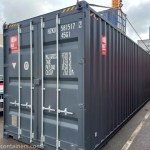
Shipping container 12m (40 ft)
A 12m shipping container is an investment that, if properly selected and cared for, will pay off in decades of trouble-free use. Whether you plan to use it as a warehouse, workshop, garage or the basis for a residential module — the key is careful selection of the condition, a thorough inspection before purchase and high-quality preparation of the base for placement. Take the time to compare offers, check the seller’s references and do not hesitate to personally inspect the container before buying. A properly selected 40-foot container will serve you reliably for many years.