
Shipping container price
If you have ever looked for the price of a shipping container, you already know the answer is rarely a single number. One quote says USD 1,350. Another says USD 7,000. Both claim to be for a 40-foot container. The difference is not a scam — it is the product of a genuinely complex market where size, condition, geography, global trade flows, and even the price of steel in Shanghai converge to determine what you pay.
This guide is designed as the definitive resource on shipping container prices in 2026. It covers every standard size, every condition grade, every major price driver, and every hidden cost that surprises first-time buyers. Whether you are buying a single container for garden storage or sourcing fifty units for a commercial build, the numbers and frameworks here will help you put together a budget with confidence.
What Is a Shipping Container Price and Why Does It Vary So Much?
The price of a shipping container is the total amount a buyer pays to acquire a steel intermodal container — usually a 20-foot or 40-foot dry van container — delivered to a specified location. But unlike a retail product with a fixed price, container costs are essentially market-driven. At the point of sale, they behave more like a commodity than a manufactured good.
Key Insight: The same 40-foot High Cube container that costs USD 1,850 in the port of Los Angeles can cost USD 3,200 in Salt Lake City. The steel is identical. The difference is entirely logistics, local supply, and depot proximity.
Core Variables That Drive Container Prices
Every shipping container price you encounter is a function of six core variables. Understanding these variables is the difference between overpaying and negotiating a fair deal.
| Factor | How It Affects Price | Typical Impact |
|---|---|---|
| Size | 20 ft vs 40 ft vs 40 ft High Cube; larger units cost more in absolute terms but less per cubic foot | Base range USD 1,300–7,000 |
| Condition (Grade) | New (one-trip) → Cargo Worthy → Wind & Watertight → As-Is | 30–60% price difference between best and worst |
| Geographic Location | Proximity to port depots; coastal cities are cheaper, inland and remote areas are more expensive | Up to 100% inland premium over coastal |
| Supply and Demand | Trade imbalances, seasonal demand, global shipping volumes | Prices can swing 20–40% year over year |
| Steel Prices | Corten steel is the main raw material; reflects production costs | Gradual, but sets the floor for new container prices |
| Delivery Distance and Complexity | Miles driven, site accessibility, need for crane or tilt-bed truck | Add USD 150–1,500+ to base price |
These variables do not work in isolation. A used 40-foot Wind & Watertight container in Houston is cheap not only because it is used, but also because Houston is a major port with a chronic surplus of empty containers returning from Asia. The same container in Denver carries a premium because someone had to truck it 1,000 miles inland.
How Much Does a Shipping Container Cost in 2026? (Price Overview Table)
Below is the most comprehensive price overview available for US buyers in mid-2026. The ranges reflect national averages — your local price may sit closer to the low or high end depending on your proximity to a depot.
| Container Type and Condition | 10 ft | 20 ft Standard | 40 ft Standard | 40 ft High Cube |
|---|---|---|---|---|
| New / One-Trip | USD 3,500–5,000 | USD 2,500–4,500 | USD 3,500–6,500 | USD 4,000–7,000 |
| Used — Cargo Worthy (CW) | Rare | USD 1,400–1,800 | USD 1,650–2,100 | USD 1,800–2,200 |
| Used — Wind & Watertight (WWT) | Rare | USD 1,300–1,600 | USD 1,425–1,850 | USD 1,500–2,100 |
| Used — As-Is | N/A | USD 800–1,200 | USD 1,000–1,400 | USD 1,200–1,600 |
Note: 10-foot containers are specialized products. They are typically manufactured as storage units, not retired from shipping fleets, and therefore their prices do not follow the same economics as used containers. The prices listed apply to newly manufactured units.
These ranges are based on 2026 US market data aggregated from Container xChange, dealer prices from several national suppliers, and transaction records from a number of large container resellers. Actual prices do — and will — shift month to month depending on port congestion, trade volumes, and seasonal demand swings.
How Much Does a 20-Foot Shipping Container Cost?
The 20-foot dry container is the workhorse of heavy freight and the most popular size for first-time buyers looking for on-site storage. Its compact footprint makes it easy to place on residential or small commercial properties, and delivery is usually cheaper than for a 40-foot unit.
New 20-Foot One-Trip Container Prices
A new 20-foot container — sometimes called a “one-trip” container because it has made exactly one journey from a factory in China to a US depot — costs between USD 2,500 and 4,500 delivered to most US markets in mid-2026. These units are pristine: floors without indentations, perfect door seals, untouched factory paint, and no rust. They carry a CSC (Container Safety Convention) plate that is unmistakably new.
At the low end of this range, you are likely near a major port (Los Angeles, Houston, Newark). At the high end, you are inland or in a market where 20-foot containers are scarce relative to demand.
Used 20-Foot Container Prices by Condition Grade
Used 20-foot container prices are broken down by condition grade:
- Cargo Worthy (CW): USD 1,400–1,800. These containers have been inspected and certified for international shipping. Doors seal tightly, floors are solid, and any rust is only surface-level. They carry a valid CSC plate. This is the grade you need if the container will ever be reloaded onto a ship.
- Wind & Watertight (WWT): USD 1,300–1,600. These containers keep rain and wind out, so they are perfectly suitable for storage. They may, however, have cosmetic dents, minor rust, patched floors, or worn door seals that disqualify them from shipping certification. For 90% of storage cases, WWT is all you need.
- As-Is: USD 800–1,200. These are decommissioned containers sold without warranties. Floors may be soft, doors may stick, and rust may be structural. They are best suited for agricultural storage, scrap, or projects where the container itself will be heavily modified.
When a 20-Foot Container Is the Right Choice
A 20-foot container makes sense when you need durable, compact storage or when your delivery site has limited access. It fits on a standard tilt-bed truck without a special permit in most jurisdictions, which keeps delivery costs down. It is important to note, however, that a 20-foot container typically costs 75–80% of the price of a 40-foot unit, while offering only half the cubic volume. On a per-cubic-foot basis, a 40-foot container is almost always better value — but only if you have the space to place it.
How Much Does a 40-Foot Shipping Container Cost?
The 40-foot container is the standard unit of global trade. Far more 40-foot containers are in circulation than 20-foot containers, creating a supply-side pressure that keeps used container prices surprisingly competitive.
Standard 40-Foot Container Prices
| Condition | Price Range (2026) |
|---|---|
| New / One-Trip | USD 3,500–6,500 |
| Cargo Worthy (CW) | USD 1,650–2,100 |
| Wind & Watertight (WWT) | USD 1,425–1,850 |
| As-Is | USD 1,000–1,400 |
A used 40-foot container is often only 25–30% more expensive than a used 20-foot container of the same condition grade, while providing double the storage volume. That is why the 40-foot unit dominates the market for anyone with enough space.
40-Foot High Cube Container Prices and Why They Are Sometimes Cheaper Per Square Foot
A 40-foot High Cube (HC) container is identical in length and width to a standard 40-foot unit but provides an extra foot of interior height (9′6″ vs. 8′6″). This additional vertical space is valuable for storing tall items and for conversion projects where ceiling height matters for comfort.
Paradoxically, in some markets a used 40-foot High Cube container can cost the same as — or even less than — a standard-height 40-foot unit. The reason is simple: High Cubes are by far the most produced type of container today, so they dominate the used supply. When supply outstrips demand at a given depot, prices get pushed down.
- New 40-foot High Cube: USD 4,000–7,000
- Used CW 40-foot High Cube: USD 1,800–2,200
- Used WWT 40-foot High Cube: USD 1,500–2,100
20-Foot vs 40-Foot Container Price Comparison Per Cubic Foot
This table reveals why a 40-foot container is almost always the better financial decision — if you can place it.
| Container Size | Approximate Internal Volume | Typical Used WWT Price | Price Per Cubic Foot |
|---|---|---|---|
| 20 ft Standard | 1,170 ft³ | USD 1,450 | USD 1.24 / ft³ |
| 40 ft Standard | 2,390 ft³ | USD 1,650 | USD 0.69 / ft³ |
| 40 ft High Cube | 2,700 ft³ | USD 1,800 | USD 0.67 / ft³ |
A 40-foot High Cube delivers storage volume at nearly half the price per cubic foot compared to a 20-foot container. This is the key number to internalize before deciding on size.
What Factors Most Influence Shipping Container Prices?
While size and condition are the main variables, several deeper market forces shape the final price of a shipping container.
Size and Type
Standard dry containers dominate the market. When you move to specialized types — reefer, open top, flat rack — prices differ significantly from the ranges above. For example, a 40-foot reefer container can cost USD 8,000–12,000 even when used, reflecting the built-in refrigeration unit.
Condition Grade
Detailed below, but note up front: a full 50% of the price difference between the cheapest and most expensive container of the same size is driven by condition grade alone.
Geographic Location and Depot Proximity
Coastal cities near major ports (Los Angeles/Long Beach, Houston, Newark, Savannah, Seattle) consistently offer the lowest prices. Empty containers pile up here after being unloaded from imported cargo, and selling them domestically is cheaper for shipping lines than repositioning them back to Asia.
Inland cities — Denver, Salt Lake City, Kansas City, Nashville — pay a significant premium. Every mile a container travels inland adds to its delivered price. A container that costs USD 1,850 in Los Angeles can easily cost USD 3,000+ in Salt Lake City once shipping is factored in.
Global Supply and Demand Dynamics
The used container market is a direct byproduct of international trade flows. When US imports from Asia are strong, containers pour into West Coast ports and the secondary market is flooded with supply — prices fall. When trade slows, shipping lines hold on to their containers longer, tightening the used container supply and pushing prices up.
Major disruptions — the COVID-19 pandemic, the 2021 Suez Canal blockage, Red Sea shipping route disruptions — create acute price shocks that ripple across the entire market within weeks.
Steel Prices and Production Costs
New container prices are fundamentally tied to the price of Corten steel (also called weathering steel), which makes up roughly 60% of a container’s production cost. When global steel prices rise, new container prices rise with a 3–6 month lag. The price of a new one-trip container essentially sets the ceiling for the whole market — used containers cannot cost more than new ones, so new container prices anchor the entire ecosystem.
What Is the Difference Between Cargo Worthy and Wind & Watertight Containers?
These two condition grades cause more confusion than any other aspect of buying shipping containers. The difference matters because it affects both price and what you can legally do with the container.
Condition Grade Definitions
| Grade | Definition | CSC Certified? | Price Relative to New | Best For |
|---|---|---|---|---|
| New / One-Trip | Manufactured within the last 12 months; one freight journey from factory to depot | Yes | 100% (baseline) | Conversion to living space, sensitive cargo, long-term investment |
| Cargo Worthy (CW) | Inspected and certified for international ocean shipping; structurally sound, no leaks | Yes — valid CSC plate | 55–65% of new | International shipping, any use requiring certification |
| Wind & Watertight (WWT) | Structurally sound; prevents water and wind ingress; may have cosmetic damage or non-structural rust | No (expired or missing) | 50–55% of new | On-site storage, workshops, most conversion projects |
| As-Is | Sold without warranties; may have structural rust, floor damage, or door issues | No | 30–40% of new | Agricultural use, scrap, projects with planned heavy modification |
How Each Grade Affects Price
The price gap between a Cargo Worthy container and a Wind & Watertight container of the same size is typically 5–15%. The gap between WWT and As-Is can be 15–25%. But the gap between new and WWT is dramatic — 40–50%. That is why the overwhelming majority of buyers who do not need shipping certification choose Wind & Watertight containers.
Which Grade You Actually Need
The most common mistake first-time buyers make is paying for Cargo Worthy certification when they only need on-site storage. If the container will never touch a ship again, a Wind & Watertight container is functionally identical for your purposes and costs substantially less.
Cargo Worthy certification matters in exactly two scenarios: (1) you are loading the container onto a vessel for international shipping, or (2) your insurer or local authority requires it. For everyone else, WWT is the right value proposition.
How Much Does Shipping Container Delivery Cost?
Delivery is the most commonly underestimated line item in the total cost of acquiring a shipping container. It is not unusual for delivery to add 20–50% to the base container price, especially for buyers in remote or inland locations.
Per-Mile Rates and Typical Delivery Cost Ranges
Most container dealers calculate delivery based on the distance from their depot to your site, using a tilt-bed truck or roll-off trailer. Typical 2026 US rates:
| Delivery Scenario | Typical Cost Range |
|---|---|
| Local delivery (0–50 miles) | USD 150–400 |
| Regional delivery (50–150 miles) | USD 400–800 |
| Long-haul delivery (150–500 miles) | USD 800–2,500+ |
| Remote / difficult access | USD 200–500+ surcharge |
Per-mile rates typically run between USD 3.00 and 6.00 per mile for the first 100 miles, dropping on longer hauls. The truck itself charges a minimum — usually around USD 150–250 — even on very short distances.
Factors That Drive Up Delivery Costs
Several site-specific factors can significantly increase delivery costs:
- Crane rental: If your site cannot accommodate a tilt-bed truck that slides the container straight onto the ground, you will need a crane or a forklift. Crane rental adds USD 300–800 per lift.
- Site accessibility: Narrow roads, low-hanging power lines, soft ground, steep driveways, or tight turns that a 40-foot truck cannot navigate may require a smaller truck with multiple trips or specialized equipment.
- Permits: Some municipalities require oversize-load permits for container delivery, especially for 40-foot units. These permits can cost USD 50–300.
- Distance from main highways: Rural properties far from interstate roads carry higher per-mile fees and may split access problems across drivers.
How to Minimize Delivery Costs
The single most effective strategy is to buy from a dealer whose depot is physically closest to your delivery site. A container that is USD 300 more expensive but 20 miles closer often results in lower total cost than a “cheaper” container 200 miles away. Always request the total delivered price, not just the container price.
How Have Shipping Container Prices Changed? (2020–2026 History)
To understand today’s shipping container price, you need to understand the extraordinary market cycle that preceded it.
Pre-Pandemic Baseline (2015–2019)
Before COVID-19, the used container market was remarkably stable. A used 20-foot WWT container cost approximately USD 1,200–1,500 and a used 40-foot WWT ranged around USD 1,800–2,200. New 20-foot one-trip containers held steady around USD 1,800–2,200. Global trade grew steadily, steel prices were quiet, and the market was predictable.
COVID-Era Price Explosion (2020–2022)
The pandemic created a perfect storm for container prices:
- Early 2020: Lockdowns in China halted production. Container manufacturing stopped. At the same time, consumer spending in the US and Europe shifted from services to goods, creating a surge in import demand.
- Mid-2020 through end of 2021: Port congestion — especially at Los Angeles/Long Beach — trapped containers for weeks or months. Shipping lines scrambled for equipment. Spot freight rates from Asia to the US West Coast shot from approximately USD 1,500 per FEU to over USD 20,000 at the peak.
- Container price explosion: With new containers scarce and shipping lines hoarding every available unit, used container prices roughly doubled. A used 20-foot container that cost USD 1,300 in 2019 was selling for USD 2,500–3,000 by the end of 2021. New one-trip containers reached USD 5,000–7,000.
Correction and Normalization (2023–2025)
As port congestion eased, new container production ramped up, and consumer spending shifted back to services, the market corrected. By mid-2023, used container prices had fallen roughly 40–50% from their 2021 peaks. The correction continued through 2024, with prices stabilizing near — but slightly above — pre-pandemic levels by the start of 2025.
Current Market Outlook (2026)
In mid-2026, shipping container prices have settled into a relatively stable range. They remain approximately 10–20% above 2019 levels, reflecting persistently higher steel costs, elevated freight rates on certain routes, and ongoing demand from buyers for alternative uses (storage, conversions, construction).
Price Timeline by Year
| Year | 20 ft New (One-Trip) | 20 ft Used (WWT) | 40 ft New (One-Trip) | 40 ft Used (WWT) | Market Context |
|---|---|---|---|---|---|
| 2019 | USD 1,800–2,200 | USD 1,200–1,500 | USD 2,800–3,200 | USD 1,800–2,200 | Stable pre-pandemic baseline |
| 2020 | USD 2,200–3,000 | USD 1,500–2,000 | USD 3,200–4,500 | USD 2,200–3,000 | Early supply shock |
| 2021 | USD 4,000–7,000 | USD 2,500–3,500 | USD 5,500–8,000 | USD 3,000–4,500 | Crisis price peak |
| 2022 | USD 3,500–5,500 | USD 2,200–3,000 | USD 4,500–7,000 | USD 2,500–3,800 | Start of early correction |
| 2023 | USD 2,500–4,000 | USD 1,500–2,200 | USD 3,500–5,500 | USD 1,800–2,800 | Steady decline |
| 2024 | USD 2,200–3,500 | USD 1,300–1,800 | USD 3,000–4,800 | USD 1,600–2,400 | Near normalization |
| 2025 | USD 2,300–4,000 | USD 1,300–1,700 | USD 3,200–5,500 | USD 1,500–2,200 | Stabilized, slightly elevated |
| 2026 (mid) | USD 2,500–4,500 | USD 1,300–1,600 | USD 3,500–6,500 | USD 1,425–1,850 | New normal |
How Much Do Specialized Shipping Containers Cost?
Not every shipping container is a standard dry van. Specialized container types serve specific cargo needs and carry significant price premiums over standard units.
Refrigerated Containers (Reefers)
Reefer containers come equipped with integrated refrigeration units capable of maintaining temperatures from -65°F to +85°F. They are essential for food, pharmaceuticals, and any temperature-sensitive cargo.
| Reefer Condition | 20 ft Reefer | 40 ft Reefer |
|---|---|---|
| Used (functional unit) | USD 4,000–7,000 | USD 6,000–12,000 |
| Used (non-functional — storage only) | USD 2,000–3,500 | USD 3,000–5,500 |
Non-functional reefers are increasingly popular for storage because their thick insulation provides natural temperature buffering even without a running refrigeration unit. The insulation does, however, slightly reduce interior dimensions.
Open Top Containers
Open top containers feature a removable tarpaulin roof and are designed for cargo that cannot be loaded through standard doors — tall machinery, building materials, or items lifted in by overhead crane. They carry a premium of 30–50% over standard containers of the same size, with used 20-foot open top containers typically ranging from USD 2,500–4,000 and 40-foot units from USD 3,500–5,500.
Flat Rack Containers
Flat rack containers are essentially container floors with folding end walls — no sides, no roof. They are built for oversized cargo: pipes, heavy machinery, vehicles, boats. Used flat racks are relatively rare and prices vary enormously by condition: USD 2,000–6,000 for a 20-foot unit and USD 3,000–8,000 for a 40-foot unit.
Double-Door and Side-Door Containers
Containers with doors on both ends (double doors) or with side access doors offer loading flexibility at a modest premium. 20-foot and 40-foot double-door containers typically cost USD 300–700 more than their single-door equivalents. Side-door containers are rarer and more expensive — expect a premium of USD 1,000–2,000 for a container with a fully opening side configuration.
How Much Does It Cost to Modify a Shipping Container?
Understanding the cost of modifying a shipping container is essential for anyone planning a conversion project — whether it is a simple workshop or a full container home. Modification costs can easily exceed the price of the container itself.
Common Modifications and Their Price Ranges
| Modification | DIY Cost Range | Contractor Cost Range | Notes |
|---|---|---|---|
| Cutting an opening for a standard door | USD 100–300 (materials) | USD 500–1,200 | Requires angle grinder, frame welding |
| Installing a steel security door | USD 300–800 | USD 800–1,800 | Includes door, frame, welding, weather sealing |
| Cutting and framing a window opening | USD 150–400 | USD 600–1,500 | Per window; includes lintel reinforcement |
| Spray foam insulation (full interior) | USD 800–1,500 | USD 1,500–3,500 | 20 ft container; 40 ft is roughly double |
| Electrical (basic) | USD 500–1,500 | USD 1,500–4,000 | Outlets, lights, sub-panel; no grid hookup |
| Plumbing | USD 1,000–3,000 | USD 3,000–8,000 | Depends heavily on number of fixtures and location |
| Mini-split AC installation | USD 1,500–3,000 | USD 2,500–5,000 | Single-zone unit sufficient for one container |
| Interior framing and drywall | USD 1,000–2,500 | USD 2,500–6,000 | 20 ft; framing reduces interior width by ~4″ on each side |
| Exterior paint / protective coating | USD 200–500 | USD 800–2,000 | Marine-grade paint recommended |
| Roll-up door installation | USD 800–1,500 | USD 1,500–3,500 | Common for workshop/garage conversions |
| Roof paint (cool roof / rust protection) | USD 300–800 | USD 800–2,000 | Significantly extends container life |
Total Container-to-Living-Space Conversion Costs
A complete conversion of a shipping container into a home — including insulation, electrical, plumbing, HVAC, flooring, walls, windows, doors, and finishes — typically ranges from:
- Basic DIY conversion: USD 10,000–25,000 (on top of container price)
- Mid-range contractor build: USD 30,000–75,000
- Luxury custom build: USD 75,000–200,000+
These figures align with the commonly cited range of USD 150–350 per square foot for finished container living space. A single 40-foot High Cube container provides approximately 320 square feet of interior space, so a USD 50,000 mid-range conversion works out to roughly USD 156 per square foot — competitive with traditional construction in many markets.
What Hidden Costs Should You Budget for When Buying a Shipping Container?
The advertised price of a shipping container is never the final number. Several ancillary costs routinely surprise first-time buyers.
Site Prep and Foundation Costs
A container cannot simply be placed on bare ground. At a minimum, you need:
- Gravel pad (4–6 inches compacted): USD 300–800 for a single container
- Concrete pier blocks (4–6 corners): USD 100–300
- Concrete slab foundation: USD 1,500–4,000 for a 20 ft container; USD 2,500–6,000 for a 40 ft unit
A foundation serves two purposes: it levels the container (an unlevel container will have misaligned doors and structural stress) and it lifts the container above ground moisture, which is the main cause of undercarriage rust.
Permit and Zoning Fees
Many municipalities classify shipping containers as accessory structures requiring permits. Costs vary dramatically:
- No permit required: Some rural areas and counties
- Standard building permit: USD 100–500
- Conditional permit (if not automatically allowed): USD 500–2,000+
- HOA / historic zone review: Varies; in some communities it may be a deal-breaker
Always check local zoning before buying. Some residential zones ban shipping containers outright, while others restrict them to backyard placement or require screening.
Insurance Costs
A standard homeowner’s policy typically does not cover a shipping container or its contents. Options include:
- Rider to existing property insurance: USD 50–200/year
- Standalone container insurance: USD 150–500/year depending on value
- Commercial inland marine insurance: For business use; rates vary by use case
Maintenance and Rust Prevention
Corten steel is designed to form a protective rust patina that resists further corrosion — but only under the right conditions. Containers in humid, coastal environments or in contact with the ground require active maintenance:
- Annual roof inspection and repaint: USD 100–300 (DIY) or USD 500–1,000 (professional)
- Door seal replacement (every 5–10 years): USD 100–300
- Rust spot treatment and touch-up paint: USD 50–200/year in maintenance
Is It Better to Buy New, Used, or Rent a Shipping Container?
The buy-versus-rent decision becomes clear once you align it with your timeframe and use case.
| Factor | Buy New (One-Trip) | Buy Used (WWT) | Rent |
|---|---|---|---|
| Typical price (40 ft) | USD 4,000–6,500 | USD 1,500–2,100 | USD 100–250/month |
| Expected lifespan | 25–30+ years | 10–20 years (remaining) | N/A |
| Best for | Conversion to living/working space; sensitive storage; long-term ownership | General storage; workshop; budget-saving projects | Temporary storage during moves/renovations; short-term construction |
| Payback period | 10+ years | 2–5 years vs. owning a warehouse | Immediate — no capital outlay |
| Customization freedom | Full | Full | Limited — most rental agreements restrict modifications |
| Maintenance responsibility | Owner | Owner | Rental company |
| Residual value | High (retains 70–80% of value for years) | Medium (slowly depreciates if maintained) | None |
Decision Framework
- Buy new if: the container will be converted into living or working space where aesthetics, structural integrity, and maximum lifespan matter; or if you are storing sensitive goods.
- Buy used (WWT) if: you need cost-effective storage, a workshop, or a base for a project where cosmetic condition is irrelevant; the payback versus renting or owning a warehouse is compelling within 2–3 years.
- Rent if: your need is short-term (less than 12–18 months), you cannot permanently place a container on your property, or you want to try the concept before committing to a purchase.
Frequently Asked Questions
How Much Does a Shipping Container Cost?
A shipping container costs between USD 1,300 and 7,000 depending on size and condition. A used 20-foot Wind & Watertight container typically costs USD 1,300–1,600, while a new 40-foot High Cube one-trip container costs USD 4,000–7,000. Delivery fees add USD 150–2,500+ depending on distance.
How Much Does a Used Shipping Container Cost vs. New?
Used containers cost 40–50% less than new one-trip containers of the same size. A used 40-foot WWT container typically costs USD 1,425–1,850, while a new 40-foot one-trip container costs USD 3,500–6,500. For most storage and non-shipping applications, the used option delivers far better value.
What Factors Influence Shipping Container Prices?
The main factors are size (20 ft vs 40 ft), condition grade (new, Cargo Worthy, Wind & Watertight, As-Is), geographic location and depot proximity, global supply and demand dynamics, steel prices, and delivery distance. Coastal cities near major ports consistently offer the lowest prices.
How Much Does Shipping Container Delivery Cost?
Delivery costs range from USD 150 to 2,500+ depending on distance and site accessibility. Local delivery (within 50 miles) typically costs USD 150–400. Long-haul delivery (150–500 miles) can reach USD 800–2,500. Difficult site access, crane requirements, and remote rural locations add surcharges.
Are Shipping Container Prices Rising or Falling in 2026?
Mid-2026 shipping container prices are relatively stable, sitting approximately 10–20% above pre-pandemic 2019 levels. The extreme volatility of 2020–2022 has settled, but prices remain elevated due to higher steel costs, ongoing demand from buyers for alternative uses, and continued trade route disruptions affecting certain corridors.
What Is the Cheapest Shipping Container Size?
On a per-unit basis, the cheapest is a used 20-foot WWT container at USD 1,300–1,600. However, on a per-cubic-foot basis, a 40-foot High Cube container is much cheaper (USD 0.67/ft³ vs. USD 1.24/ft³ for a 20-foot unit). If you have the space, a larger container delivers dramatically better value.
What Is the Difference Between Cargo Worthy and Wind & Watertight?
Cargo Worthy (CW) containers have been inspected and carry a valid CSC safety plate that certifies them for international ocean shipping. Wind & Watertight (WWT) containers are structurally sound and prevent water and wind ingress but lack shipping certification. CW containers cost 5–15% more than WWT units of the same size.
How Much Do Reefer Shipping Containers Cost?
Used functional reefers cost USD 4,000–7,000 for a 20-foot unit and USD 6,000–12,000 for a 40-foot unit. Non-functional reefers used for insulated storage cost USD 2,000–5,500. The refrigeration unit makes up roughly half of a reefer’s value.
How Much Does It Cost to Convert a Shipping Container into a Home?
A complete conversion of a shipping container into a home ranges from USD 10,000–25,000 for a basic DIY build to USD 30,000–75,000 for a mid-range contractor build and USD 75,000–200,000+ for a luxury custom build. These costs are on top of the container purchase price and land costs. On average, expect USD 150–350 per square foot of finished living space.
Where Is the Cheapest Place to Buy a Shipping Container?
Houston, Los Angeles, Miami, and Newark consistently offer the cheapest shipping container prices thanks to their status as major container ports with surplus empty inventory. Inland cities like Salt Lake City, Denver, and Charlotte pay significant premiums due to shipping costs from coastal depots.
Can Shipping Container Prices Be Negotiated?
Yes, especially when buying multiple containers or buying directly from depots with high inventory. Volume discounts of 5–15% are common on orders of 5+ containers. Cash payment, off-season buying (late winter), and flexibility in pickup timing can also improve your negotiating position.
Do Shipping Containers Hold Their Value?
Shipping containers depreciate slowly compared to most assets. A well-maintained used container typically retains 60–80% of its purchase price for 5–10 years. In periods of high demand, used container prices can even appreciate — as happened in 2020–2021, when many owners sold containers for more than they paid. The Corten steel construction, standardized dimensions, and ongoing demand across multiple industries underpin this retained value.
 Italy, La Spezia
  WITHOUT SHIPPING
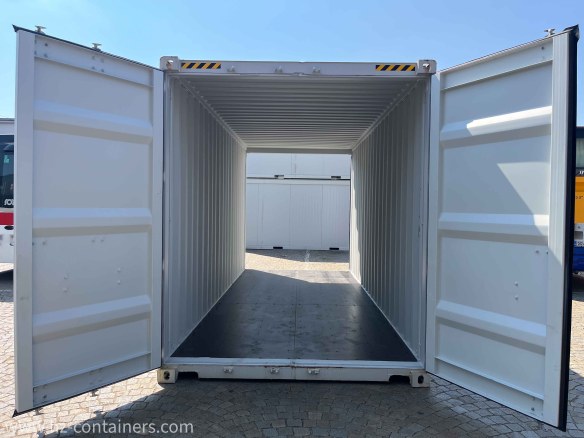
Other container news...

New shipping containers
If you are currently considering purchasing a new shipping container, you are not alone. While just twenty years ago containers were used almost exclusively for maritime transport, today they have found their way into construction, storage, business, and even housing. This growing popularity brings with it a host of questions: Which type should you choose? How much does it cost? How do you recognize quality? How can you avoid falling victim to scammers?
New sea shipping containers
If you are currently considering purchasing a new shipping container, you are not alone. While just twenty years ago containers were used almost exclusively for maritime transport, today they have found their way into construction, storage, business, and even housing. This growing popularity brings with it a host of questions: Which type should you choose? How much does it cost? How do you recognize quality? How can you avoid falling victim to scammers?

6m shipping container
Are you thinking about buying a 6-meter shipping container but aren’t sure what to look for? You are not alone—this 20-foot container is the best-selling size on the Czech market, and the differences between various types, conditions, and prices can be significant. In this guide, you will find everything you need to know: from exact dimensions and a comparison of categories (such as “one-way,” refurbished, and “Cargo Worthy”) to current prices and shipping advice.
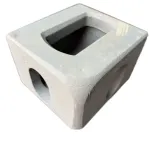
Corner casting steel vs aluminum
Every shipping container in the world — all 40 million of them — rests on eight critical components. Corner castings are the load-bearing blocks at each corner of an ISO shipping container, and they are the universal interface between the container and every crane, twistlock, spreader, and chassis on the planet. When you lift a container, stack it nine high on a ship, or lock it to a truck trailer, every ton of force flows through these fittings.