Flat Rack Container
Flat Rack containers are a specialized type of transport containers designed for transporting oversized or unusually shaped cargo that cannot fit into standard containers. These containers are an essential part of the logistics and transport industry, offering unique solutions for transporting heavy and irregularly large goods. In this comprehensive glossary entry, we will explore the definition, types, uses, dimensions, and benefits of Flat Rack containers, as well as considerations for their use in international transport.
Flat Rack containers are an indispensable solution for transporting oversized and unusually shaped cargo. Their unique design and robust construction make them ideal for a wide range of applications, from industrial machinery to vehicles and project cargo. By understanding the characteristics, types, and uses of Flat Rack containers, shippers can make informed decisions to optimize their logistics operations and ensure safe and efficient transport of their goods. Whether used for international transport or domestic transportation, Flat Rack containers play a key role in the global supply chain, providing flexibility and support for complex transport needs.
What is a Flat Rack Container?
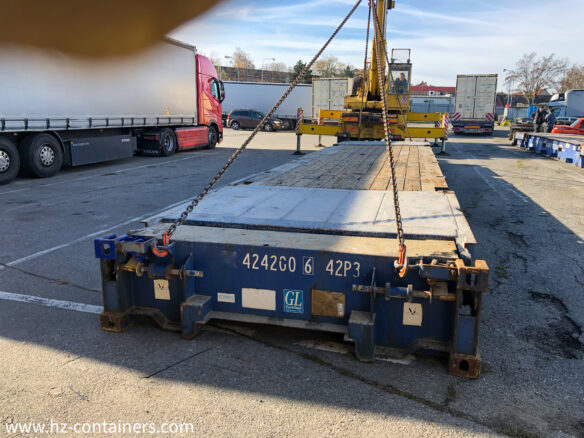
A Flat Rack container is a type of transport container that has two end walls but lacks side walls and a roof. This design allows for easy loading and unloading of cargo from above and from the sides, making it ideal for oversized cargo. Flat Rack containers are commonly used for transporting large machinery, construction equipment, vehicles, and other items that exceed the dimensions of standard containers.
Key Features of Flat Rack Containers
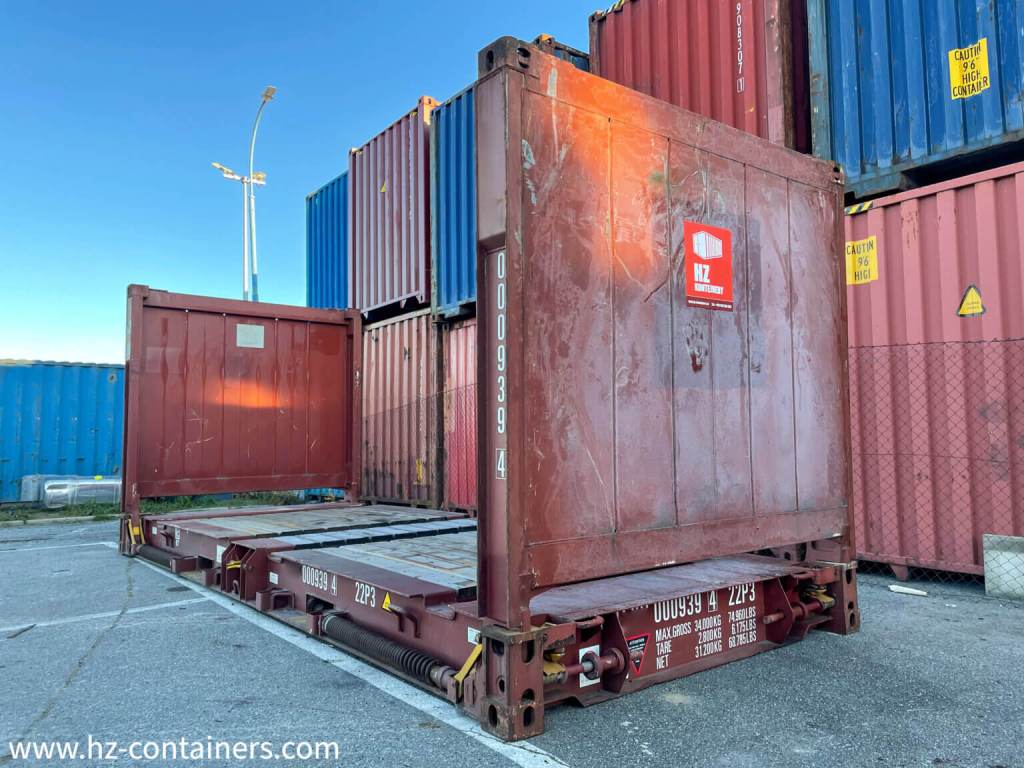
- Open Sides: Flat Rack containers have no side walls, providing complete access for loading from above and from the sides.
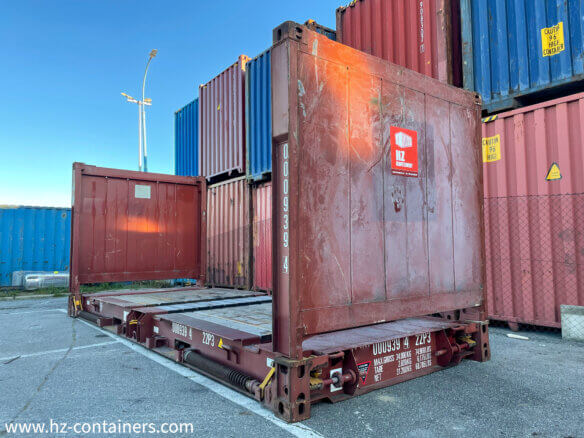
- End Walls: The container has end walls that are either fixed or collapsible, providing stability and structural integrity.
- Versatility: These containers can accommodate cargo with unique shapes and dimensions, making them highly versatile.
- Robust Construction: Flat Racks are built with reinforced frames to handle heavy loads and provide stability during transport.
Types of Flat Rack Containers
Flat Rack containers come in two main configurations: fixed-end and collapsible.
Fixed-End Flat Rack Containers

Fixed-end Flat Rack containers have permanent end walls that provide a robust foundation for securing exceptionally heavy or voluminous cargo. This type of container is suitable for transporting very large or heavy items that require additional support during transport.
Collapsible-End Flat Rack Containers
Collapsible-end Flat Rack containers have end walls that can be folded down. This design allows for more efficient storage of empty containers, as multiple units can be stacked together, taking up less space than fixed-end flat racks. Collapsible flat racks are ideal for logistics scenarios where space savings are a priority.
Dimensions and Capacity
Flat Rack containers are available in standard sizes, typically 20 feet and 40 feet in length, similar to standard transport containers. However, their load capacity is often higher due to the absence of side walls, which allows for transporting heavier loads.
Dimensions of 20-Foot Flat Rack Container
| Specification | Measurement |
|---|---|
| Internal Length | 5.94 meters |
| Internal Width | 2.35 meters |
| Internal Height | 2.35 meters |
| Empty Container Weight | 2,360 kg |
| Load Capacity | 30,140 kg |
| Cubic Capacity | 32.7 m³ |
Dimensions of 40-Foot Flat Rack Container
| Specification | Measurement |
|---|---|
| Internal Length | 12.13 meters |
| Internal Width | 2.40 meters |
| Internal Height | 2.14 meters |
| Empty Container Weight | 5,000 kg |
| Load Capacity | 40,000 kg |
| Cubic Capacity | 62.2 m³ |
Dimensions of 40-Foot High Flat Rack Container
| Specification | Measurement |
|---|---|
| Internal Length | 12.13 meters |
| Internal Width | 2.40 meters |
| Internal Height | 2.29 meters |
| Empty Container Weight | 5,200 kg |
| Load Capacity | 47,300 kg |
| Cubic Capacity | 66.7 m³ |
Uses of Flat Rack Containers
Flat rack containers are versatile and used for a wide range of cargo types, particularly those that are oversized or uniquely shaped. Common types of cargo include:
- Heavy Machinery: Construction equipment, industrial machinery, and turbines.
- Vehicles: Cars, trucks, buses, ships, and agricultural equipment.
- Long and Narrow Cargo: Pipes, steel beams, and other elongated objects.
- Project Cargo: Prefabricated structures, wind turbine blades, and other items with unique dimensions.
Benefits of Using Flat Rack Containers
- Flexibility: The open design of Flat Rack containers allows for transporting diverse types of cargo, accommodating items that cannot fit into standard container dimensions.
- Easy Loading and Unloading: The absence of side walls makes loading and unloading from any direction easier, reducing handling time and complexity.
- Space Efficiency: Collapsible Flat Racks can be stacked when empty, optimizing storage and reducing transportation costs for empty containers.
- Robustness: The strong construction of Flat Racks supports heavy loads, making them suitable for transporting large and heavy cargo.
Considerations When Using Flat Rack Containers
Although Flat Rack containers offer a number of advantages, several factors should be considered when selecting this type of container for transport:
Cost
Flat Rack containers are generally more expensive to transport than standard containers due to their specialized nature and additional handling requirements.
Efficiency
Using Flat Rack containers may require specialized equipment for loading and unloading, such as cranes, which can increase operational costs.
Risk
The open design of Flat Rack containers exposes cargo to environmental conditions, increasing the risk of damage during transport. Proper securing and covering of cargo are necessary to minimize these risks.
Availability
Flat Rack containers are often less available than standard containers, particularly in inland locations, which may affect transport timing and costs.

 Czech Republic, Třebíč
  FREE SHIPPING