
Shipping Container in RAL 1015 Color – Light Ivory
Shipping Container in RAL 1015 Color (Light Ivory)
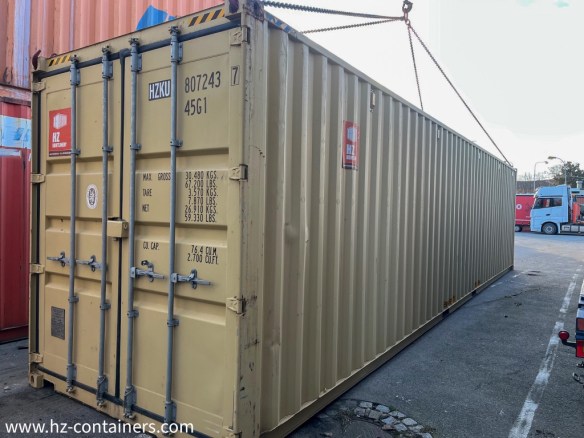
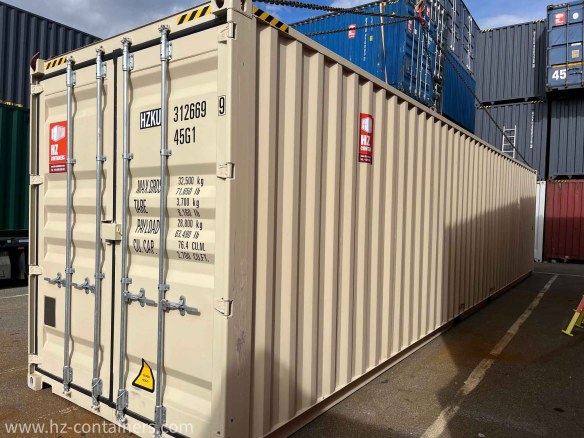
A shipping container in RAL 1015 color (light ivory) is a robust transport and storage unit whose outer shell is coated with a finish in a shade according to the international RAL standard. It is a combination of technical precision, high durability, and aesthetic neutrality, which finds application in logistics, construction, architecture, and special commercial applications.
Container technology based on steel and Corten steel provides extreme resistance to weather conditions, while RAL 1015 offers a light, elegant appearance and functional benefits (such as thermal reflection). This shade is therefore a choice not only for transport, but also for long-term storage, building modules, mobile facilities, and architectural projects in urban and rural environments.
RAL System – Guarantee of Standardization and Quality
What is RAL?
RAL is a German color standardization system introduced in 1927, now used globally in mechanical engineering, construction, automotive, and logistics. Each shade has a four-digit code (e.g., RAL 1015), which guarantees identical color among all manufacturers and suppliers regardless of country of origin.

Advantages of the RAL system for containers:
- Consistency: Same visual appearance across an entire fleet of containers – important for logistics, leasing, and construction companies.
- Easy maintenance and repairs: During repairs, the correct shade can be precisely selected, which maintains a uniform appearance and guarantees protection against corrosion.
- Customer specifications: Allows the customer to order a container in exactly the color that matches the company identity or architectural intent.
RAL System Division:
| Series | Number of Shades | Purpose |
|---|---|---|
| RAL Classic | 213 | Industry, construction, logistics |
| RAL Design | 1,825 | Interiors, design, art |
| RAL Effect | 420 | Metallic and pearl colors |
RAL 1015 Shade – Light Ivory: Characteristics
Visual Properties
- Description: RAL 1015 (light ivory) is a delicate, warm, almost white shade with a slight yellow undertone.
- Aesthetics: Appears clean, fresh, modern, and yet neutral. Works well with natural materials (wood, stone), metal, and glass.
- Versatility: Suitable for cities, industrial parks, facilities, as well as parks and private properties.
Functional Properties
- Thermal reflection: Due to its light shade, it reflects a significant portion of solar radiation, which reduces interior overheating and lowers cooling costs when storing goods and for residential use.
- Practicality: Better masks dust and minor dirt than pure white color, and shows fewer scratches compared to dark shades.
- Visibility: Sufficiently light for safe handling in logistics facilities.
Advantages of RAL 1015 Compared to Other Shades
| Property | RAL 1015 | White (RAL 9010) | Dark Blue (RAL 5013) |
|---|---|---|---|
| Thermal Reflection | High | Highest | Low |
| Maintenance | Easy | Demanding | Better Masking |
| Aesthetic Neutrality | High | High | Low |
| Modern Appearance | Yes | Yes | Industrial |
Types of Shipping Containers in RAL 1015 Color
RAL 1015 can be applied to any container type. The following variants are most common:
Standard (Dry Van) Container
- Dimensions: 20′ (6 m) and 40′ (12 m)
- Use: Storage, transport of dry goods, modification into offices and technical spaces
High Cube (HC) Container
- Height: 30 cm higher than standard (height 2.90 m)
- Advantage: Larger volume (up to 76 m³ for 40′ HC), suitable for bulky cargo or residential/commercial modifications
Specialized Containers
- High Cube Side Opening: Fully openable side wall, ideal for mobile cafes, exhibition stands, shops. Frequent choice in RAL 1015 color for modern design and thermal comfort.
- Flat Rack: Without side walls and roof, for transport of machinery, vehicles, oversized cargo.
- Open Top: Removable roof (tarpaulin), possibility of crane loading.
Technical Specification, Materials, and Coating System
Construction
- Material: Corten steel (COR-TEN) – special alloyed steel with extreme durability, which creates a protective patina on its surface preventing further corrosion. Container lifespan with quality coating often exceeds 25–30 years.
Container Coating System
- Blasting (grit blasting): The surface is thoroughly cleaned and roughened for maximum coating adhesion.
- Epoxy primer coat: A zinc-rich layer that protects against corrosion.
- Intermediate layer: (optional) additional epoxy layer to increase the thickness of the protective film.
- Top coat: Polyurethane or acrylic enamel in RAL 1015 shade – ensures resistance to UV radiation, weather, mechanical damage, and chemicals.
Properties of Coating Systems Used on Containers:
| Coating Type | Advantages | Lifespan |
|---|---|---|
| Two-component Polyurethanes | Extreme durability, high gloss, UV stability | 12–18 years |
| Epoxy Primers | Anti-corrosive, excellent adhesion | up to 15 years |
| Self-priming Enamels | Simpler application, lower costs | 6–8 years |
Example: Alkyton RAL 1015 color is anti-corrosive, self-priming, with high flexibility, impact resistance, UV radiation resistance, and quick drying. It is suitable even for older containers and guarantees long coating lifespan without the need for regular renewal.
Certifications and Standards
- ISO 668: Standardizes container dimensions and types.
- CSC Plate: Mandatory for international transport – confirms safety and technical condition.
- IICL 5: Quality standard for used containers (higher than standard cargo grade).
Practical Use and Applications
Logistics and Transport
- Original purpose – transport of goods on ships, trains, trucks. RAL 1015 is often chosen for easy identification and aesthetic appearance.
Storage
- Advantages: Durability, safety, possibility of placement anywhere (construction sites, companies, private properties).
- RAL 1015: Does not appear disruptive, suitable for cities and nature.
Architecture, Modifications, Commercial Use
- Cafes, bistros, showrooms, offices, tiny houses, laboratories, sanitary modules – light shade provides a neutral base for further modifications and branding.
- Thermal comfort: Ideal for residential and commercial spaces due to its ability to reflect heat and reduce overheating.
Examples of Modifications:
| Container Modification | Advantage of RAL 1015 |
|---|---|
| Mobile Shop | Modern, clean appearance, attracts customers |
| Residential Module | Reduces need for cooling, universal design |
| Site Office | Neutral, representative, easily maintainable |
Lifespan and Maintenance
- Container lifespan: 25–30 years with proper care and coating maintenance
- Coating lifespan: Quality polyurethane and epoxy systems 12–18 years, after which it is sufficient to repaint the top layer.
- Maintenance: Regular visual inspection is recommended, local repairs of scratches and scuffs with special paint in RAL 1015 shade.
Digital Presentation of Containers
Modern sellers, such as HZ Containers, etc., use high-resolution photographs, SVG graphics, and detailed product cards. Specifications and photographs are often organized in online catalogs by year of manufacture, type, size, and color (e.g., folders /uploads/2025/high/, etc.). Vector graphics (SVG) enable sharp display of containers in RAL 1015 shade on all devices.
 Czech Republic, Krnov
  FREE SHIPPING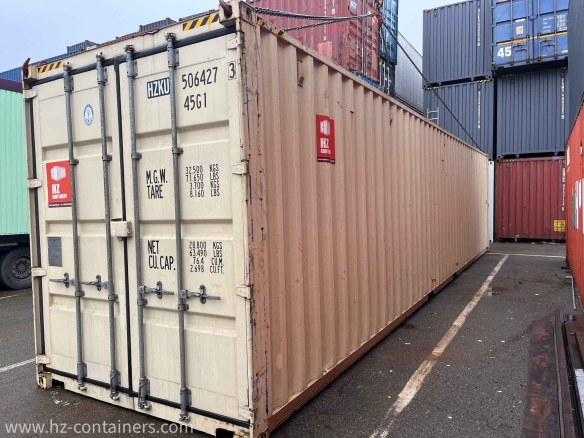

Other container news...
Can You Modify a 40ft High Cube Container?
The short answer is yes — you absolutely can modify a 40ft high cube container, and it is one of the most popular container types for modification projects worldwide. But the real question is not whether you can modify one; it is how to do it correctly, safely, legally, and within budget. This guide answers every dimension of that question, drawing on engineering principles, real-world pricing data, and the collective experience of thousands of modified container projects.
Key Takeaway: A 40ft high cube container offers 320 square feet of floor space with an extra foot of ceiling height compared to a standard container — making it the ideal canvas for offices, workshops, homes, retail spaces, and industrial applications. The extra height is particularly valuable when you add insulation and still want comfortable headroom.

Cargo worthy container
If you have ever shopped for a used shipping container, you have almost certainly encountered the term cargo worthy — often abbreviated as CW or CWO (Cargo Worthy Only). It is one of the most important classifications in the container industry, yet it is also one of the most misunderstood. A cargo worthy container is not a container that looks new. It is not necessarily a container that has a valid CSC plate. And it is definitely not the same as a wind and watertight container. This guide explains what cargo worthy really means — from its technical definition and historical origins to the precise structural criteria, inspection process, cost implications, and common misconceptions that trip up even experienced buyers.

Shipping container home
A shipping container home is a residential dwelling constructed from one or more steel intermodal containers — the same standardized metal boxes that transport goods across oceans, railways, and highways. These containers, engineered from corrosion-resistant Corten steel and designed to withstand brutal maritime conditions, are repurposed into fully habitable living spaces through insulation, structural modifications, and the installation of all standard residential utilities. A shipping container home can range from a minimalist 160-square-foot studio built from a single 20-foot container to a sprawling multi-level compound combining dozens of 40-foot high-cube units.
Core Definition: A shipping container home is a code-compliant, habitable structure built from one or more steel intermodal shipping containers that have been insulated, structurally reinforced where modified, and fitted with windows, doors, plumbing, electrical systems, and interior finishes to function as a permanent or semi-permanent residence.
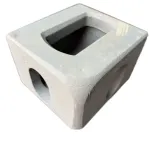
Corner casting steel vs aluminum
Every shipping container in the world — all 40 million of them — rests on eight critical components. Corner castings are the load-bearing blocks at each corner of an ISO shipping container, and they are the universal interface between the container and every crane, twistlock, spreader, and chassis on the planet. When you lift a container, stack it nine high on a ship, or lock it to a truck trailer, every ton of force flows through these fittings.