
How many EUR pallets can fit into an insulated freezer shipping container?
Insulated freezer shipping containers have become an essential tool in modern logistics, especially for transporting goods that require stable low temperatures. To understand how many EUR pallets can fit into such a container, it is important to consider several key factors that affect storage capacity and efficiency.
Insulated freezer container dimensions and capacity
A standard insulated freezer container is around 20 feet (6 meters) or 40 feet (12 meters) in length. These containers have an interior space optimized to maintain a stable temperature, which is crucial for goods that require refrigeration or freezing. However, the volume of internal space can vary depending on the insulation and equipment of the container.
EUR pallet size and arrangement
EUR pallets, also known as Euro pallets, have standard dimensions of 1200 mm x 800 mm. Due to these dimensions, the pallets can be arranged in several layers or levels in the container, maximising the use of space. Another important factor is the height of the palletised goods, which must be compatible with the height of the interior space of the container.
Factors affecting the number of pallets
The number of EUR pallets that can fit into an insulated freezer container depends on several factors. These include not only the dimensions of the container itself, but also the thickness of the insulation, which can affect the usable interior space. You also need to consider how efficiently the pallets are loaded and whether special techniques are used to optimise space, such as stacking.
Typical layout and expected pallet quantities
A typical 20-foot insulated freezer container can hold approximately 10 to 11 EUR pallets, while a 40-foot container can hold up to 23 to 25 pallets. These figures are approximate and may vary depending on the specific requirements of the goods being transported, particularly the need to maintain specific temperature conditions or the handling required.
Insulated Freezer Shipping Containers
Insulated reefer shipping containers play a key role in the global shipping industry. These specialised containers allow a constant temperature to be maintained, ensuring the safe transport of sensitive goods such as food, pharmaceuticals, flowers or cosmetics. In this article, we will look at the different types of insulated freezer containers and their uses.
Basic types of insulated freezer containers
There are different types of freezer containers that differ in heat range and technology. The most common include:
- Standard freezer containers (reefer containers): these containers maintain temperatures between -25 °C and +25 °C. They use refrigeration units that are capable of cooling or freezing according to the requirements of the cargo.
- Thermo king containers: these containers offer a wider temperature range from -30°C to +35°C, ideal for transporting goods that need specific temperature conditions.
- Super freezer containers: this type of container provides extreme cooling capabilities with a temperature range of up to -60 °C. They are ideal for transporting highly sensitive materials that require deep freezing.
Functions and technology of freezer containers
Freezer containers are equipped with sophisticated refrigeration systems that include compressors, condensers, fans and insulation. These components work together to maintain a constant internal temperature and minimize heat exchange with the surrounding environment. Insulation is a key element that helps minimize heat loss and ensures efficient operation of the cooling system.
Benefits of using freezer containers
The use of freezer containers offers a number of advantages:
- Preserving the quality of the goods: maintaining a constant temperature helps to preserve the freshness and quality of the goods being transported.
- Flexibility: freezer containers can be easily adapted to different temperature needs, allowing a wide range of products to be transported.
- Safety: standardised dimensions and construction ensure the safety and durability of the containers during transport.
Using freezer containers in practice
Freezer containers are used in a wide range of industries including food, pharmaceuticals, floriculture and cosmetics. In the food industry, for example, they are essential for transporting meat, fish, dairy products and other products that require a stable refrigerated environment. In the pharmaceutical industry, they are used to transport drugs and vaccines that are temperature sensitive.
Other container news...
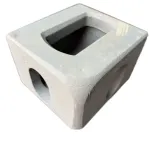
Corner casting steel vs aluminum
Every shipping container in the world — all 40 million of them — rests on eight critical components. Corner castings are the load-bearing blocks at each corner of an ISO shipping container, and they are the universal interface between the container and every crane, twistlock, spreader, and chassis on the planet. When you lift a container, stack it nine high on a ship, or lock it to a truck trailer, every ton of force flows through these fittings.

Construction cabin – selection, tips, dimensions and prices
Every construction project – whether a family house, a development project or a reconstruction – starts with the infrastructure. No construction manager, craftsman or investor who needs an on-site office, a changing room for workers or a safe storage for tools can do without a quality construction cell. But navigating the offer is not easy: residential containers, sanitary cells, storage modules, rental, purchase, refurbished pieces… This guide will give you answers to all the essential questions in one place.
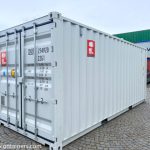
Storage container
A storage container is a lockable steel box designed for the safe and dry storage of materials, tools, goods or equipment. Originally created as a shipping container for maritime transport, its durability and versatility have found their way onto construction sites, corporate premises and private land.
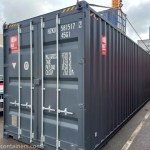
Shipping container 12m (40 ft)
A 12m shipping container is an investment that, if properly selected and cared for, will pay off in decades of trouble-free use. Whether you plan to use it as a warehouse, workshop, garage or the basis for a residential module — the key is careful selection of the condition, a thorough inspection before purchase and high-quality preparation of the base for placement. Take the time to compare offers, check the seller’s references and do not hesitate to personally inspect the container before buying. A properly selected 40-foot container will serve you reliably for many years.