
How Long Is a Shipping Container in a Depot and How Much Time Does It Spend at Sea?
Understanding the logistics of the global shipping process, especially in the case of container cargo transportation, is key for companies involved in international trade. One of the most frequently asked questions in this context is how long a shipping container remains in a depot and how much time it spends at sea. This glossary discusses the processes, timelines, and factors affecting the movement of shipping containers, and offers a comprehensive explanation of key terms and concepts.
What is a Shipping Container?
A shipping container is a standardized, reusable steel box designed for intermodal transportation of goods. These containers are created to allow easy transfer between different modes of transportation — ships, trucks, and trains — without the need to unload the contents. Modern shipping containers form the backbone of international trade due to their durability and compatibility with global infrastructure.
Key Features of Shipping Containers:
- Durability: The construction withstands adverse weather, repeated handling, and long ocean voyages.
- Standardization: Complies with ISO standards to ensure compatibility with various modes of transportation and global shipping infrastructure.
- Container Types:
- Dry Containers: The most common type, suitable for general cargo, such as furniture, clothing, or machinery.
- Payload: Up to 28.3 tons.
- Volume Capacity: Approximately 33 m³.
- Reefer Containers: Equipped with cooling systems for transporting perishable goods, such as food and pharmaceuticals.
- Temperature Range: +25°C to -35°C depending on cargo requirements.
- Open-Top Containers: Suitable for oversized or tall cargo that cannot be loaded through standard doors.
- Flat Rack Containers: Have an open top and collapsible side walls for transporting heavy machinery and irregular cargo.
- Dry Containers: The most common type, suitable for general cargo, such as furniture, clothing, or machinery.
What is a Depot?
A depot is a facility where shipping containers are stored, maintained, or prepared for the next leg of their journey. These facilities are crucial in the logistics chain because they ensure the availability, functionality, and readiness of containers for the next phase of their journey. Different types of depots serve different purposes, from storage to repairs.
Types of Depots:
- Empty Container Depot: A storage facility for containers that are not currently in use. These containers are sent for loading with cargo as needed.
- Full Container Depot: Stores loaded containers that are waiting for transportation or further shipment.
- Repair Depots: Intended for repairs and maintenance of damaged containers to ensure their usability.
Functions of a Depot:
- Storage: Provides temporary storage of containers during shipping or when not in use.
- Consolidation and Deconsolidation: Combines smaller shipments into one container or splits one shipment into multiple containers.
- Maintenance: Repairs damaged containers to prepare them for further use.
What is Transit Time at Sea?
Transit time at sea refers to the time a container spends traveling by sea, from the port of origin to the destination port. This phase is a significant part of the global shipping process and is influenced by various factors.
Factors Affecting Transit Time at Sea:
- Geographic Distance: Longer distances naturally extend shipping time.
- Example: Shipping from China to Europe takes approximately 30–45 days.
- Shipping Routes: Direct routes are faster than those involving multiple stops or transshipment.
- Seasonal Conditions: Weather, such as hurricanes or monsoons, can disrupt schedules.
- Port Congestion: Delays in unloading and loading due to overcrowded ports.
- Carrier Speed: Modern container ships typically travel at speeds of 17–24 knots. However, “slow steaming” is now common practice to reduce fuel consumption.
How Long Does a Container Stay in a Depot?
The length of time a container remains in a depot varies depending on several factors, including the type of cargo, shipping documentation, customs processes, and the efficiency of the port or depot.
Typical Timelines:
- Time in Depot Before Departure:
- Containers may remain 2–10 days before being loaded onto a ship. This depends on:
- Cargo readiness.
- Customs clearance.
- Scheduling delays.
- Containers may remain 2–10 days before being loaded onto a ship. This depends on:
- Time in Depot After Arrival:
- After reaching the destination port, containers may remain 2–7 days before being picked up or further transported.
- Extended storage may result in detention charges if the container exceeds the allocated “free time.”
Breakdown of Total Shipping Time
To understand the entire journey of a container, it is useful to break down the process into three main phases:
- Pre-Departure Phase:
- Includes time spent in the origin depot, customs clearance, and loading onto the ship.
- Typical Duration: 5–15 days.
- Sea Transit:
- Time required to travel from the port of origin to the destination port.
- Typical Duration: 20–45 days.
- Post-Arrival:
- Includes unloading, customs clearance, and time in the destination depot before final delivery.
- Typical Duration: 3–10 days.
Common Delays and Their Causes
1. Port Congestion
- Major ports, such as Shanghai or Rotterdam, often experience congestion during peak season.
- Impact: Extends time in depot and overall shipping time.
2. Customs Delays
- Missing or incorrect documentation can cause delays.
- Impact: Prolongs time in depots and increases storage fees.
3. Weather Conditions
- Adverse weather can disrupt shipping schedules.
- Impact: Extends transit time at sea.
4. Equipment Shortage
- Lack of containers or trucks can cause delays.
- Impact: Delays the loading or unloading process.
Key Terms Related to Shipping Times
- Demurrage: Charges for a container remaining in a port longer than the allowed free time.
- Detention: Charges for holding a container outside a port longer than agreed.
- FCL (Full Container Load): A container used exclusively for one shipment, usually faster.
- LCL (Less than Container Load): A container shared by multiple shipments, which often causes delays due to consolidation and deconsolidation.
Strategies to Reduce Time in Depot and at Sea
- Plan Ahead: Avoid peak seasons and plan shipments in advance.
- Optimize Documentation: Ensure all shipping and customs documentation is complete and accurate.
- Choose Reliable Carriers: Work with carriers that maintain schedules.
- Use FCL When Possible: Reduces delays associated with shared containers.
- Monitor Shipments: Use tracking tools to stay informed about the location and status of your container.
Frequently Asked Questions
How Long Does Sea Transit Take?
Transit time at sea typically ranges from 20 to 45 days, depending on the route and external factors.
What Are the Costs of Delays?
Delays can result in additional costs, including demurrage charges, detention, and storage. These costs vary depending on the port and shipping line.
Can Time in Depot Be Reduced?
Yes, by ensuring cargo readiness, accurate documentation, and selecting efficient ports and carriers, time in depot can be minimized.
Is Sea Shipping Faster Than Air Freight?
No, air freight is significantly faster, typically taking 1 to 10 days, but is more expensive than sea shipping.
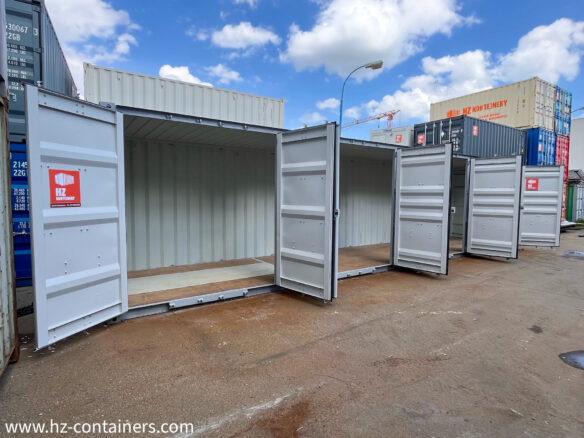
 Czech Republic, Třebíč
  FREE SHIPPING


Other container news...
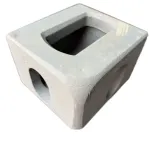
Corner casting steel vs aluminum
Every shipping container in the world — all 40 million of them — rests on eight critical components. Corner castings are the load-bearing blocks at each corner of an ISO shipping container, and they are the universal interface between the container and every crane, twistlock, spreader, and chassis on the planet. When you lift a container, stack it nine high on a ship, or lock it to a truck trailer, every ton of force flows through these fittings.

Construction cabin – selection, tips, dimensions and prices
Every construction project – whether a family house, a development project or a reconstruction – starts with the infrastructure. No construction manager, craftsman or investor who needs an on-site office, a changing room for workers or a safe storage for tools can do without a quality construction cell. But navigating the offer is not easy: residential containers, sanitary cells, storage modules, rental, purchase, refurbished pieces… This guide will give you answers to all the essential questions in one place.
Storage container
A storage container is a lockable steel box designed for the safe and dry storage of materials, tools, goods or equipment. Originally created as a shipping container for maritime transport, its durability and versatility have found their way onto construction sites, corporate premises and private land.
Shipping container 12m (40 ft)
A 12m shipping container is an investment that, if properly selected and cared for, will pay off in decades of trouble-free use. Whether you plan to use it as a warehouse, workshop, garage or the basis for a residential module — the key is careful selection of the condition, a thorough inspection before purchase and high-quality preparation of the base for placement. Take the time to compare offers, check the seller’s references and do not hesitate to personally inspect the container before buying. A properly selected 40-foot container will serve you reliably for many years.