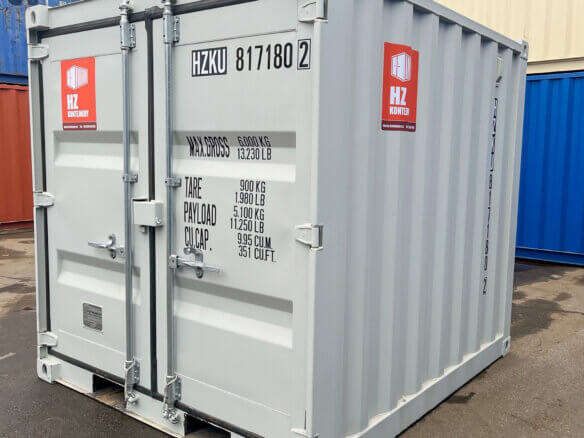
Detention – Late Container Return Fee
Navigating the complex terrain of international shipping requires a deep understanding of various terminologies, one of which is detention fees. These fees are often a source of confusion among industry professionals due to their specific nature and implications. This comprehensive glossary article aims to clarify the concept of “Detention – Late Container Return Fee“, examining its definition, distinctions from similar fees, and its impact on the logistics sector. By breaking down the complexities of detention fees, this article seeks to empower shippers, carriers, and logistics professionals with the necessary insights for effective management of these fees.
Detention fees are a key component of container logistics, designed to promote efficient utilization of shipping containers and prevent delays in the supply chain. By understanding these fees and implementing effective management strategies, shippers can minimize costs and improve logistics efficiency. In the dynamic field of international shipping, staying informed about detention fees and related concepts is crucial for maintaining competitive advantage and ensuring smooth global movement of goods.
What is Detention – Late Container Return Fee?
Detention fees are imposed by shipping companies when importers or exporters delay the return of shipping containers beyond the free period allocated for their use. Unlike demurrage fees, detention fees are charged for the period after the container is picked up from the port terminal and before it is returned empty to the designated warehouse or shipping company. Detention fees serve as an incentive for timely container return, ensuring their availability for future shipments and maintaining the smooth flow of global supply chains.
Key Characteristics of Detention Fees:
- Applicability: Detention fees apply once the container is removed from the port and not returned to the warehouse within the specified timeframe.
- Free Days: Shipping companies typically offer a certain number of free days, usually between 3 to 10 days, during which no detention fees are charged.
- Cost Structure: These fees are calculated on a daily basis, with rates varying depending on the shipping company, region, and container type.
Differences Between Detention and Demurrage
Although often confused, “detention” and “demurrage” describe two distinct fees in container shipping:
- Demurrage: Applies to the time a full container spends at the port terminal beyond the free time limit. This fee covers the period before the container is picked up by the recipient.
- Detention: Refers to the time when the container is outside the port, after pickup and before its return empty. This fee covers the period after the recipient has received the container.
Both fees aim to promote efficient utilization and return of containers, preventing ports and shipping companies from being used as storage facilities.
Related Keywords and Concepts
1. Maritime Shipping
Maritime shipping involves the transportation of goods by sea. Detention fees may be applied if containers are not returned promptly after delivery.
2. Customs Clearance
Customs clearance is the process of moving goods across customs barriers. Delays here can inadvertently cause detention fees if they prevent timely container return.
3. International Shipping
The process of moving goods across borders. Understanding detention fees is key to managing costs in international shipping.
4. Container Detention
Refers to fees for holding containers longer than the allocated free time outside the port.
5. Port Terminal
A facility for loading and unloading ships. Detention fees apply after the container leaves the terminal.
6. Free Days
A grace period provided by shipping companies during which no fees are charged for container use. After this period, detention fees apply if containers are not returned.
7. Shipping Containers
Large standardized containers used for transporting goods. Timely return is essential to avoid detention fees.
8. Shipping Services
Services that move goods from one location to another. Efficient management can help avoid detention fees.
9. Shipping Company
An entity operating ships and managing logistics. They enforce detention fees to ensure efficient container utilization.
10. Avoiding Demurrage Fees
Strategies to avoid demurrage fees can also help avoid detention fees by ensuring timely container return.
Impact of Detention Fees on Logistics
Detention fees have a significant impact on logistics and shipping, affecting both operational efficiency and costs. They encourage shippers to expedite unloading and container return, optimize fleet utilization, and reduce congestion at shipping warehouses.
Cost Management:
Effective management of detention fees is crucial for controlling shipping costs. Extended detention can increase expenses, affecting shipping profitability.
Supply Chain Efficiency:
Timely container return ensures their availability for other shipments, maintains the flow of goods, and reduces bottlenecks in the supply chain.
Strategic Planning:
Understanding and planning for detention fees improves logistics strategies, enhances coordination among supply chain partners, and avoids unnecessary delays.
Best Practices for Avoiding Detention Fees
- Thorough Planning: Familiarize yourself with the free time and detention policies of your shipping company. Plan your logistics to ensure container return within this timeframe.
- Effective Communication: Maintain clear communication with stakeholders, including customs authorities, transportation providers, and warehouses, to avoid delays.
- Real-Time Monitoring: Use technology to monitor container movements and ensure timely return.
- Flexible Planning: Adjust plans as needed in response to unforeseen delays, such as customs holds or weather conditions.
- Utilize Experienced Carriers: Work with experienced carriers who understand the complexities of international shipping and detention fee structures.
 Czech Republic, Třebíč
  FREE SHIPPING