
What is the fuel consumption of container ships and what fuel is needed?
Container ships play a key role in global trade, transporting vast quantities of goods across oceans. Fuel consumption and the type of fuel used by these ships is an important factor affecting the cost of transport and its environmental impact. In the following article, we will look at the consumption of container ships and the fuel needed to operate them.
Container ship fuel consumption
The fuel consumption of container ships is highly variable and depends on several factors such as the size of the ship, the speed of the voyage, the weather conditions and the route. The largest container ships, which can carry more than 20 000 TEU (Twenty-foot Equivalent Unit), consume approximately 250 tonnes of fuel per day when fully loaded. Smaller ships, which carry around 1 000 TEU, consume approximately 40 tonnes of fuel per day.
What fuel do container ships use?
Historically, container ships have been powered by heavy fuel oil (HFO), a cheap but highly polluting fuel. In recent years, however, there have been significant changes in regulations that limit emissions of sulphur and other harmful substances. From January 2020, the International Maritime Organization (IMO) introduced stricter limits on the sulphur content of marine fuels, which has led to the wider use of cleaner fuels such as low sulphur fuel oil (LSFO) and very low sulphur fuel oil (VLSFO).
Heavy fuel oil: A fuel with a significant impact
Heavy fuel oil (HFO), also known as residual fuel oil, is a key component in the energy industry. This oil results from the distillation of crude oil and remains as one of the last products after lighter fractions such as gasoline and diesel have been separated. Heavy fuel oil is valued primarily for its energy density and is mainly used in industrial applications where high heat output is required.
Chemical composition and properties
Heavy fuel oil is characterised by its high viscosity and sulphur content. Its chemical composition includes a complex mixture of hydrocarbons which provide a high energy value. The viscosity of the oil is a key parameter that affects its pumping and atomization. Accurate control of these properties is essential to optimise the combustion process and achieve maximum efficiency.
Uses and applications
Heavy fuel oil is mainly used in power plants and marine engines, where it provides a stable and long-term source of energy. In industrial boilers, it is used to produce steam that drives turbines and generates electricity. In the shipping industry, HFO is preferred for its ability to power the large engines that power cargo ships around the world.
Ecological aspects
However, the use of heavy fuel oil comes with environmental challenges. The high sulphur content contributes to sulphur dioxide emissions, which can lead to acid rain and have a negative impact on the environment. Therefore, in recent years, there has been increasing pressure to reduce the sulphur content of fuels, leading to the development of technologies to clean up emissions and to find alternative fuel sources.
Regulation and the future
Regulations on the sulphur content of fuels are becoming increasingly stringent, especially in pollution-sensitive areas such as the Arctic. The International Maritime Organization (IMO) has adopted measures to limit sulphur emissions from shipping, forcing the industry to adapt to new standards. This includes not only adjustments in combustion technology, but also investment in alternative fuels such as liquefied natural gas (LNG).
Alternatives to heavy fuel oil
While heavy fuel oil remains the dominant fuel in many industrial applications, the increasing focus on sustainability and environmental protection is leading to research and development of alternatives. These alternatives include biofuels, synthetic fuels and liquefied natural gas (LNG), which offer lower emissions and a better environmental footprint.
Alternative fuels and future trends
With increasing pressure to reduce emissions and protect the environment, many shipping companies have begun to look at alternative fuels. Among the most promising is liquefied natural gas (LNG), which has lower emissions of carbon dioxide, nitrogen oxides and particulate matter compared to traditional fuels. Some modern container ships already use LNG as their primary fuel and further investment in this technology is on the horizon.
Other promising options are biofuels and methanol, which can be produced from renewable sources and have the potential to significantly reduce greenhouse gas emissions. While these technologies are still under development and their widespread adoption requires further research and investment, they represent an important step towards greener maritime transport.
Energy efficiency and innovation
In addition to fuel switching, the shipping industry is also focusing on improving the energy efficiency of vessels. Modern container ships are designed with an emphasis on aerodynamics and hydrodynamics, which reduces water and air resistance and thus fuel consumption. Other innovations include the use of hybrid propulsion systems, which combine traditional engines with electric drives, and the implementation of energy recovery systems such as rotating sails and solar panels.
The introduction of digital technology and automation also contributes to more efficient fuel management. Fuel monitoring and voyage optimisation systems allow captains and ship operators to adjust speed and route in real time to minimise fuel consumption and emissions.
Other container news...

Corner casting steel vs aluminum
Every shipping container in the world — all 40 million of them — rests on eight critical components. Corner castings are the load-bearing blocks at each corner of an ISO shipping container, and they are the universal interface between the container and every crane, twistlock, spreader, and chassis on the planet. When you lift a container, stack it nine high on a ship, or lock it to a truck trailer, every ton of force flows through these fittings.

Construction cabin – selection, tips, dimensions and prices
Every construction project – whether a family house, a development project or a reconstruction – starts with the infrastructure. No construction manager, craftsman or investor who needs an on-site office, a changing room for workers or a safe storage for tools can do without a quality construction cell. But navigating the offer is not easy: residential containers, sanitary cells, storage modules, rental, purchase, refurbished pieces… This guide will give you answers to all the essential questions in one place.

Storage container
A storage container is a lockable steel box designed for the safe and dry storage of materials, tools, goods or equipment. Originally created as a shipping container for maritime transport, its durability and versatility have found their way onto construction sites, corporate premises and private land.
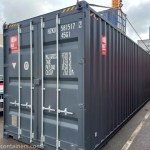
Shipping container 12m (40 ft)
A 12m shipping container is an investment that, if properly selected and cared for, will pay off in decades of trouble-free use. Whether you plan to use it as a warehouse, workshop, garage or the basis for a residential module — the key is careful selection of the condition, a thorough inspection before purchase and high-quality preparation of the base for placement. Take the time to compare offers, check the seller’s references and do not hesitate to personally inspect the container before buying. A properly selected 40-foot container will serve you reliably for many years.