
What are the costs of operating a refrigerated container?
Refrigerated containers, also known as reefer containers, are indispensable in global logistics, as they enable safe and efficient transport of temperature-sensitive goods. Such goods include, for example, perishable food, pharmaceutical products and chemicals. If you are asking What are the costs of operating a refrigerated container?, this detailed guide will walk you through all aspects of this topic.
This guide covers definitions, factors affecting costs and energy efficiency questions. It also provides an overview of container types and their uses. Understanding these aspects is key to optimizing logistics costs and ensuring product quality.
What are refrigerated containers?
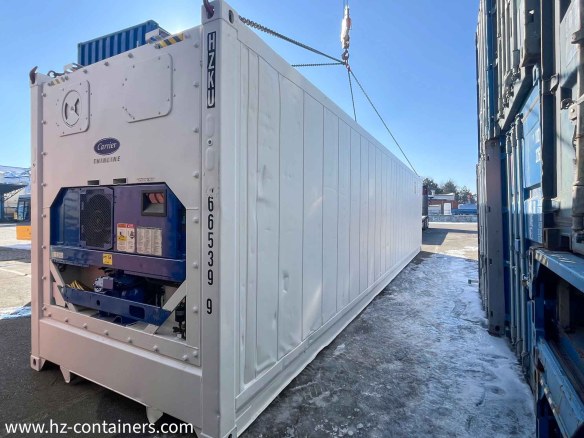
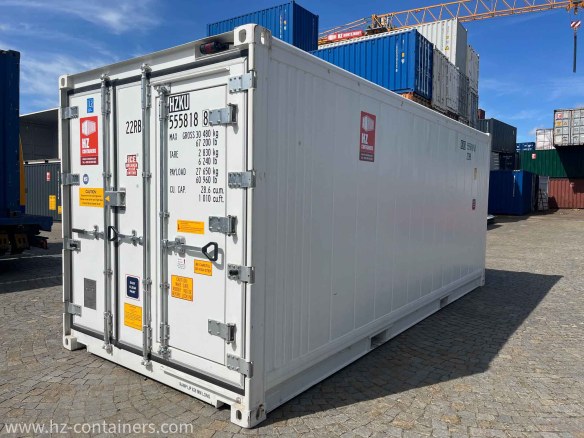
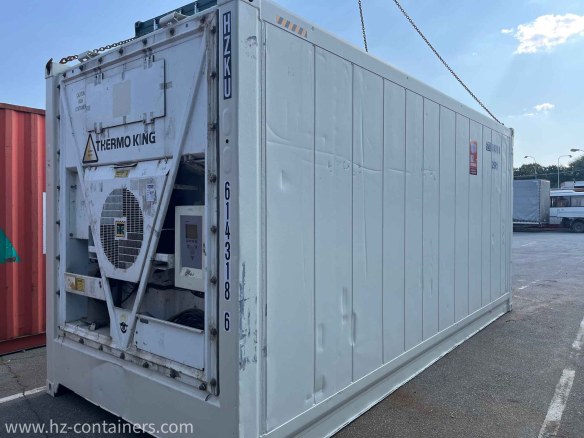
Refrigerated containers, or also reefer containers, are specialized units designed to maintain a controlled environment during the transport of goods. Thanks to advanced technology, they ensure that temperature-sensitive goods arrive in optimal condition.
Key features of reefer containers
- Temperature control: Range from -30°C to +25°C, suitable for frozen and chilled goods.
- Power source: Operate on external electricity or diesel generators.
- Insulation: Quality insulation minimizes temperature fluctuations.
- Advanced ventilation: Ensures air circulation and optimal humidity for goods storage.
Reefer containers are also equipped with smart technology enabling real-time monitoring, which adds another level of safety and efficiency.
How do refrigerated containers work?
Cooling mechanism
The cooling system of a reefer container operates with the help of three basic components:
- Compressor: Converts refrigerant gas into liquid.
- Condenser: Removes heat from the compressed refrigerant.
- Evaporator: Absorbs internal heat and cools the container.
Power source
- Electrical energy: Most commonly used in ports, warehouses or storage facilities. The price ranges between 12–25 USD per day for a 20ft container.
- Diesel generators: Used during transport by trucks, trains or ships. Although efficient, diesel costs are higher, especially over long distances.
Monitoring systems
Modern reefer units contain GPS and IoT solutions that provide real-time data on temperature, humidity and ventilation, allowing operators to adjust settings remotely.
What are the operating costs of reefer containers?
Operating refrigerated containers includes various cost components affected by energy consumption, maintenance and logistics requirements.
1. Energy consumption

Energy consumption is a significant cost component:
- Electrical energy: 12–25 USD per day, depending on ambient temperature and container size.
- Diesel: Diesel generators are more expensive, with costs depending on fuel prices and operating time.
Factors affecting energy consumption
- Frequent door openings: Increases cooling demands.
- Ambient conditions: Higher temperatures require more energy.
- Load efficiency: Fully loaded containers are more energy efficient.
- Container size: Larger units (40ft) consume more energy than smaller ones (20ft).
2. Maintenance and repairs
Regular maintenance is key to reefer efficiency:
- Preventive maintenance: Includes cleaning evaporators, filters and condensers, as well as checking refrigerant levels.
- Repair costs: For example, replacing compressors or sensors can be expensive.
- Pre-trip inspection (PTI): Mandatory checks ensuring operational readiness.
3. Leasing versus purchase
- Leasing: Ideal for short-term needs or fluctuating demand. Monthly costs range between 1,000–2,500 USD.
- Purchase: Acquisition costs range between 8,000–30,000 USD for new containers depending on size. Used containers are cheaper, but may require more frequent repairs.
4. Insurance costs
- Cargo insurance: Covers damage caused by equipment failure.
- Container insurance: Protects against theft or damage.
Energy efficiency in reefer containers
1. Advanced insulation
Innovative designs reduce energy waste:
- T-floors: Ensure even cooling.
- Zinc metallization: Prevents corrosion, thereby reducing maintenance costs.
2. Smart technologies
- Energy monitoring: Tracks and minimizes energy consumption.
- Alerts: Informs operators of deviations in temperature or humidity.
3. Compliance standards
Many containers meet IMO 2023 standards, which ensures reduced environmental impact and improved efficiency.
Uses of refrigerated containers
- Food chain: Transport of seafood, dairy products, fresh fruit and frozen food.
- Pharmaceuticals: Ensuring the integrity of vaccines and medicines.
- Cold storage: Temporary storage for events, emergency situations or capacity overload.
- Innovative uses: Urban agriculture, mobile healthcare facilities and modular homes.
 Czech Republic, Třebíč
  FREE SHIPPING
Other container news...

Shipping container types
Roughly 80% of everything you own traveled to you inside a steel box. Shipping containers—also called cargo containers, ISO containers, or “conex” boxes—are the backbone of global trade, carrying about 90% of the world’s non-bulk cargo across oceans, rails, and highways. Yet a “shipping container” is not one single object. It is a family of specialized steel boxes, each engineered for a specific kind of cargo: some vent, some freeze, some open from the top, and some have no walls at all.

40 foot container storage uses
The 40 foot container has moved far beyond its original job of hauling cargo across the ocean. Today, the phrase “40 foot container storage uses” describes an enormous and still-growing field: everything from an extra garage behind a house to a full retail storefront, a mobile office, an indoor farm, or a temporary shelter. Because the 40 foot container is the most common size in global shipping, it is also the most abundant, the most affordable, and the most widely converted for storage and building purposes.

How tall is a 20-Foot shipping container?
A 20-foot shipping container stands 8 feet 6 inches (8′ 6″) tall on the outside, or 2.59 meters. Inside, the usable height is slightly less — roughly 7 feet 9–5/8 inches (2.39 m) — because the floor, roof panels, and corner castings consume several inches of the total height.
That is the short answer. But “how tall” hides important nuance: the number changes depending on whether you are measuring a standard unit or a high cube unit, whether you are measuring the exterior or the interior, and whether you actually need to fit something through the door opening, which is the shortest vertical dimension on the entire box.

Shipping container wheel movement kits
A shipping container wheel movement kit is a bolt-on (or twist-lock) hardware system that lets a single person attach wheels to the corner castings of a 20 ft or 40 ft shipping container and reposition it — often without a crane, forklift, or flatbed truck. Instead of hiring a heavy-haul trucker every time you want to nudge a container a few feet on your property, the right wheel kit turns a 4,000–10,000 lb steel box into something a pickup truck, skid steer, or a couple of strong backs with a come-along can move.