
The Impact of Artificial Intelligence on Transportation
What is Artificial Intelligence (AI) in Logistics?
Artificial intelligence (AI) refers to the simulation of human intelligence in machines that are designed to think, learn, and act similarly to humans. In the context of logistics, AI is a transformative force that is changing the way goods and services are transported, tracked, and delivered. By leveraging machine learning, predictive analytics, and automation, AI helps logistics companies optimize operations, reduce costs, and increase customer satisfaction. Its applications range from route optimization to inventory management and are fundamentally changing all aspects of the transportation and logistics industry.
Currently, AI in logistics is increasingly being adopted due to advances in data collection, storage, and processing. AI’s ability to process vast amounts of information in real time, make intelligent decisions, and predict outcomes makes it indispensable in solving complex logistics problems. For example, companies like DHL and UPS use AI-based systems to improve delivery schedules, increase supply chain resilience, and reduce environmental impact.
Key Terms and Concepts
1. Transportation Industry
The transportation industry encompasses all activities related to the movement of goods by sea, land, or air. AI has become a revolutionary element in this sector by enabling real-time tracking, reducing fuel consumption, and optimizing cargo loading. For example, AI is used in ports to more efficiently manage container movement, thereby reducing idle times and optimizing space utilization. The Hamburg Port Authority uses AI to improve cargo planning and minimize delays.
2. Route Optimization
Route optimization uses AI algorithms to calculate the most efficient paths for vehicles when delivering goods. It involves analyzing variables such as traffic conditions, weather conditions, delivery time windows, and fuel efficiency. Companies like FedEx and Amazon rely on AI-powered route optimization tools to minimize delivery times, reduce fuel costs, and limit carbon emissions. Recent advances in AI also enable dynamic rerouting, where delivery routes are adjusted in real time based on changing conditions.
3. Transportation Logistics
Transportation logistics involves planning, implementing, and managing the movement of goods between different locations. AI-powered platforms simplify these processes through automation of scheduling, demand forecasting, and improved delivery accuracy. For example, Uber Freight uses AI to more efficiently connect shippers and carriers, optimize cargo capacity, and reduce empty trips.
4. Supply Chains

Supply chains represent the network of entities involved in manufacturing, transportation, and delivery of goods to consumers. AI improves supply chain operations through advanced predictive analytics, real-time data visibility, and risk management. For example, IBM’s Watson Supply Chain analyzes weather conditions and geopolitical events to predict potential disruptions and enable companies to proactively mitigate risks.
5. Inventory Management
Inventory management involves overseeing storage, inventory levels, and the movement of goods. AI-powered tools analyze historical sales data, seasonal trends, and market conditions to accurately forecast demand. This prevents overstocking or understocking situations and ensures timely replenishment. Companies like Walmart and Target use AI to optimize their inventory management systems, significantly reducing inventory holding costs and improving product availability.
6. Predictive Maintenance
Predictive maintenance uses AI to monitor vehicles, machinery, and systems in real time. By analyzing data from sensors, AI can identify potential equipment failures before they occur. This minimizes unplanned downtime, reduces repair costs, and extends equipment lifespan. For example, Maersk uses AI to predict maintenance needs for its shipping fleet, ensuring uninterrupted operations.
7. Machine Learning Algorithms
Machine learning algorithms enable systems to learn from data and improve their performance over time without the need for explicit programming. In logistics, these algorithms analyze historical and real-time data to forecast demand, optimize routes, and predict maintenance needs. For example, DHL uses machine learning to optimize its warehouse and transportation operations.
8. Real-Time Data
Real-time data refers to information that is collected, processed, and analyzed immediately. In logistics, real-time data is crucial for improving tracking, decision-making, and accurate delivery estimates. Platforms like FourKites and Project44 provide real-time shipment visibility, helping companies respond quickly to disruptions.
9. Accurate Delivery Estimates
AI systems provide accurate delivery time predictions by considering variables such as traffic conditions, weather, and order processing times. This capability increases customer satisfaction and supply chain reliability. For example, Amazon Prime uses AI to offer highly accurate delivery time windows, building customer trust.
10. Fleet Management
Fleet management involves monitoring and optimizing the operations of a commercial vehicle fleet. AI-powered systems track fuel consumption, vehicle performance, and driver behavior, leading to greater efficiency and safety. Companies like Volvo and Tesla integrate AI into their fleet management solutions to improve operational performance.
11. Customer Service
AI-powered customer service tools, such as chatbots and virtual assistants, provide immediate responses to inquiries, help with shipment tracking, and handle delivery rescheduling. This reduces the workload of human customer service staff and improves response time. For example, UPS uses AI-powered chatbots to help customers track packages and resolve issues.
12. Warehouse Operations
Warehouse operations include activities such as storage, picking, packing, and shipping. Robotics and AI-powered automation systems streamline these tasks and increase accuracy and efficiency. Companies like Ocado and Alibaba use AI-guided robots to manage warehouse operations, significantly reducing labor costs and shortening order fulfillment times.
13. Fuel Consumption
AI helps reduce fuel consumption in logistics by optimizing routes, improving vehicle maintenance, and predicting fuel-efficient driving behavior. For example, Shell uses AI to analyze driver behavior and recommend environmentally friendly driving techniques.
How AI Impacts the Logistics Industry
1. Autonomous Delivery
AI-powered autonomous vehicles and drones are revolutionizing last-mile delivery. These technologies offer faster delivery times, lower labor costs, and better accessibility to remote areas.
2. Sustainable Logistics
AI plays a key role in supporting sustainable logistics by reducing waste, optimizing resource utilization, and minimizing carbon footprint. This aligns with global efforts to combat climate change.
Challenges of AI in Logistics
Despite its advantages, the implementation of AI in logistics faces challenges such as high implementation costs, data quality issues, and cybersecurity risks. Addressing these obstacles requires strategic investments and industry collaboration.

 Czech Republic, Třebíč
  WITHOUT SHIPPING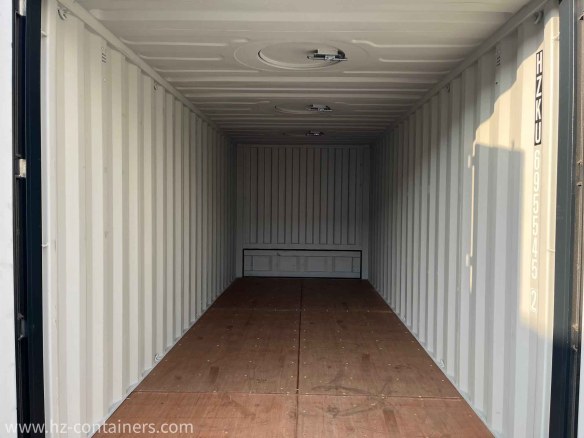

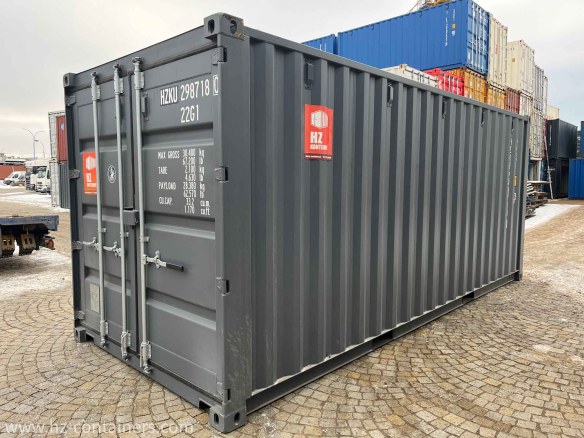
Other container news...

Corner casting steel vs aluminum
Every shipping container in the world — all 40 million of them — rests on eight critical components. Corner castings are the load-bearing blocks at each corner of an ISO shipping container, and they are the universal interface between the container and every crane, twistlock, spreader, and chassis on the planet. When you lift a container, stack it nine high on a ship, or lock it to a truck trailer, every ton of force flows through these fittings.

Construction cabin – selection, tips, dimensions and prices
Every construction project – whether a family house, a development project or a reconstruction – starts with the infrastructure. No construction manager, craftsman or investor who needs an on-site office, a changing room for workers or a safe storage for tools can do without a quality construction cell. But navigating the offer is not easy: residential containers, sanitary cells, storage modules, rental, purchase, refurbished pieces… This guide will give you answers to all the essential questions in one place.
Storage container
A storage container is a lockable steel box designed for the safe and dry storage of materials, tools, goods or equipment. Originally created as a shipping container for maritime transport, its durability and versatility have found their way onto construction sites, corporate premises and private land.
Shipping container 12m (40 ft)
A 12m shipping container is an investment that, if properly selected and cared for, will pay off in decades of trouble-free use. Whether you plan to use it as a warehouse, workshop, garage or the basis for a residential module — the key is careful selection of the condition, a thorough inspection before purchase and high-quality preparation of the base for placement. Take the time to compare offers, check the seller’s references and do not hesitate to personally inspect the container before buying. A properly selected 40-foot container will serve you reliably for many years.