
CBAM (Carbon Border Adjustment Mechanism) – Carbon Tariff in Practice
Carbon Border Adjustment Mechanism (CBAM) is a complex tool of the European Union’s climate policy, aimed at equalizing the differences in costs of greenhouse gas emissions between products produced in the EU and the same products imported from third countries. CBAM establishes the obligation for importers to mandatorily purchase and retire so-called CBAM certificates based on the volume of “embedded emissions” in goods imported into the EU. The price of these certificates is directly linked to the price of allowances in the EU ETS system (European Union Emissions Trading System). The aim is to prevent so-called carbon leakage, where production would shift outside the EU to countries with less stringent climate regulations.
CBAM is in accordance with WTO rules, because its primary purpose is not economic protectionism, but the protection of global climate through fair carbon pricing for all producers, whether they operate in the EU or outside it.
Introduction: Global Challenge and European Response
Context of Climate Change and European Climate Policy
Climate change represents one of the most fundamental global challenges of our time. The European Union has set itself the goal of becoming the first climate-neutral continent by 2050 and reducing greenhouse gas emissions by at least 55% by 2030 compared to 1990 levels. A key instrument for achieving these goals is the Emissions Trading System (EU ETS), which sets a carbon price for the energy and industrial sectors.
However, this ambitious climate policy leads to the risk of so-called carbon leakage. This is a situation where production shifts from the EU to third countries with lower environmental standards. Carbon leakage occurs in two main ways:
- By shifting production of European companies to countries with more lenient climate measures
- By replacing European products on the market with cheaper, but more carbon-intensive imports
The fundamental problem is that global emissions are not reduced, only geographically shifted. This is precisely why CBAM was created – a tool designed to ensure that European climate efforts are not undermined by shifting emissions outside the EU.
What is the Carbon Border Adjustment Mechanism (CBAM)?
Main Principles and Difference from Traditional Tariffs
CBAM is not a conventional import tariff, but an adjustment mechanism. Its purpose is to ensure that products with a high carbon footprint imported into the EU face the same costs for emissions as products manufactured in the EU, which are already subject to the EU ETS system.
Main principles of CBAM:
- Carbon Emissions Pricing: The importer is obliged to purchase CBAM certificates in an amount corresponding to the actual (or standardized) CO2 emissions generated during the production of imported goods.
- Certificate Price: Is derived from the average auction price of EU ETS allowances, ensuring fairness between domestic and foreign production.
- Consideration of Already Paid Carbon Price: If the importer proves that a carbon price has already been paid for emissions in the country of origin (e.g., carbon tax), they can deduct this amount.
- Sectors: CBAM initially applies to sectors with high risk of carbon leakage – iron and steel, aluminum, cement, fertilizers, electricity, and hydrogen.
CBAM respects the rules of the World Trade Organization (WTO), because its primary goal is climate protection, not protection of the domestic market.
Main Objectives and Benefits of CBAM
CBAM has several key objectives and brings significant benefits to EU climate policy and fair competition in the single market:
| Objective/Benefit | Detailed Explanation |
|---|---|
| Prevention of Carbon Leakage | Reduces the incentive to shift production to countries with lower climate requirements. |
| Creation of Level Playing Field | European companies will not be disadvantaged compared to foreign competitors who do not pay for emissions. |
| Support for Global Decarbonization | Pressure on third countries to introduce their own carbon pricing system. |
| Source of EU Budget Revenue | Revenue from certificates will be used to finance climate measures and innovation. |
Other benefits include stimulating innovation in industry, accelerating the introduction of cleaner technologies, and strengthening the EU’s position as a global leader in climate action.
How CBAM Works in Practice: European Union Model
The implementation of CBAM is divided into two main phases – transitional period and definitive phase.
Transitional Period (1 October 2023 – 31 December 2025)
This period is focused on data collection and preparation for full implementation. Importers are required to report quarterly data on imported goods and embedded emissions to the EU Commission. No fees are charged here, but the accuracy and completeness of reporting is essential.
Key obligations for importers:
- Registration in the transitional CBAM register (electronic portal)
- Submission of quarterly reports on:
- Quantity of imported goods within CBAM sectors
- Actual or standardized emissions (in tonnes CO2e) embedded in the production process
- Documentation of production methods, energy sources used, and any carbon charges already paid in the country of origin
Sectors Included in the Transitional Phase:
| Sector | Typical Products Subject to CBAM | HS Codes (Selected) |
|---|---|---|
| Iron and Steel | Sheets, bars, tubes, semi-finished products | 7206–7229 |
| Aluminum | Ingots, profiles, sheets | 7601–7609 |
| Cement | Portland cement, clinker | 2523 |
| Fertilizers | Ammonium nitrate, urea | 3102–3105 |
| Electricity | Import of electricity across borders | – |
| Hydrogen | Compressed, liquefied hydrogen | 2804 10 |
Reporting Methodology:
- Until the end of 2024, simplified methods can be used (reference values, equivalent national systems)
- From 1 January 2025, obligation to transition to full EU methodology
Definitive Phase (from 1 January 2026)
From this date, CBAM becomes fully effective. Importers (or their representatives with the status of “authorized CBAM declarant”) will be required to:
- Purchase CBAM certificates in a volume corresponding to actual embedded emissions in imported goods
- Retire (surrender) certificates by 31 May of the following year
- Certificate price corresponds to the average auction price of allowances in the EU ETS system (EUR/t CO2)
- Can deduct already paid carbon price in the country of origin (subject to compliance with established conditions and provision of documentation)
Important Details:
- CBAM applies in parallel with the gradual elimination of free allowances in the EU ETS system for the same sectors.
- Control and management of CBAM is ensured by national authorities of member states in cooperation with the European Commission.
- For each sector, “products subject to CBAM” are defined in detail according to the combined HS nomenclature.
Technical and Administrative Aspects of CBAM
Calculation of Embedded Emissions
The calculation of embedded emissions is one of the most important technical aspects of CBAM:
- Direct Emissions: Emissions generated directly during the production of a specific product (e.g., by burning fuel, chemical reactions)
- Indirect Emissions: Emissions associated with the production of consumed electricity (will be gradually included)
- Emission Factors: Established for individual processes according to EU implementing regulations and methodologies
- Units: Reported in tonnes of CO2 equivalent (t CO2e) per tonne of product
Example Calculation for Aluminum:
| Production Phase | CO2 Emissions (t) per 1 t of Aluminum |
|---|---|
| Electrolysis | 10 (direct emissions) |
| Electricity Production | 12 (indirect emissions) |
| Total (for reporting) | 22 |
Method of Documentation: Ideally by measurement at the plant of origin, alternatively by using European standard values.
Reporting Template and Obligations
The European Commission has issued an electronic template for data submission. The following must be stated:
- Product identification (HS code, description)
- Weight/quantity
- Manufacturer, production plant
- Direct and indirect emissions (in t CO2e)
- Production technologies used, energy mix
- Documentation of already paid carbon price
What to Watch Out For:
- Obligation to archive supporting documents for at least 4 years
- Possibility of additional inspections by customs and environmental authorities
Global Context and International Perspectives
Overview of the Situation in the World
CBAM is rapidly becoming a global standard and is inspiring other jurisdictions:
- United Kingdom: Plans its own CBAM from 2027
- USA: Considering several legislative proposals, which generally aim to protect domestic competitiveness and reduce import emissions
- Canada, Australia: In the preparatory phase, analyzing the possibility of introducing similar mechanisms
- Developing Countries: Concerned about the negative impact of CBAM on their exports and demanding technical and financial support for decarbonization of their industries
Cooperation and Disputes
- Diplomatic Dialogues: The EU is conducting intensive negotiations with major trading partners to ensure that CBAM is perceived as a climate tool, not a protectionist one.
- Compensation Mechanisms: Discussion of possibilities to support least developed countries (LDCs) through technology transfer and financial assistance.
Challenges, Criticism, and Debates
CBAM brings a number of technical, political, and practical challenges:
- Difficulty of Measuring and Verifying Emissions: Different production technologies, insufficient data, administrative burden for importers and authorities
- Justice for Developing Countries: Risk of disadvantaging less developed economies, question of proportionality and historical responsibility for emissions
- System Circumvention: Risk of reclassifying goods into other tariff categories, modifying product composition, re-exports through third countries
- Expansion of Scope: Plans to add organic chemicals, polymers, and later other sectors and indirect emissions
- Synchronization with Elimination of Free Allowances: Need to time correctly to avoid double protection or conversely weakening of competitiveness
Future of CBAM and the Role of Digital Technologies
CBAM is in its initial phase, and its future development will be highly dependent on:
- Expansion to Other Sectors: Expected inclusion of other industrial sectors and types of emissions
- Emergence of Climate Clubs: Possibility of international agreements with mutual recognition of carbon pricing systems
- Digitalization: Introduction of digital product passports, use of blockchain for traceability, automation of data collection and sharing on emissions
- Automation of Reporting: Development of software tools for managing CBAM obligations, reporting, and integration with customs systems
- Feedback and System Adjustments: Regular evaluation of CBAM effectiveness and its adjustment based on experience and dialogue with industry and partners
Glossary of Key Terms
| Term | Meaning and Detailed Explanation |
|---|---|
| CBAM Certificate | Digital certificate whose price corresponds to the price of an emission allowance in the EU ETS system. Each certificate covers emissions of 1 tonne CO2e embedded in imported goods. |
| Embedded Emissions | Total direct (and in the future also indirect) greenhouse gas emissions generated during the production of a specific product. Reported in t CO2e. |
| EU ETS | European Union Emissions Trading System. The main EU tool for reducing emissions in industry and energy. |
| Carbon Leakage | Shift of carbon-intensive production outside the EU due to different carbon prices, which undermines the effect of climate policy. |
| Carbon Pricing | Financial valuation of carbon emissions, achieved either through carbon tax or cap & trade system (such as EU ETS). |
 Czech Republic, Dobříš
  FREE SHIPPING


Other container news...

New sea shipping containers
If you are currently considering purchasing a new shipping container, you are not alone. While just twenty years ago containers were used almost exclusively for maritime transport, today they have found their way into construction, storage, business, and even housing. This growing popularity brings with it a host of questions: Which type should you choose? How much does it cost? How do you recognize quality? How can you avoid falling victim to scammers?
New shipping containers
If you are currently considering purchasing a new shipping container, you are not alone. While just twenty years ago containers were used almost exclusively for maritime transport, today they have found their way into construction, storage, business, and even housing. This growing popularity brings with it a host of questions: Which type should you choose? How much does it cost? How do you recognize quality? How can you avoid falling victim to scammers?

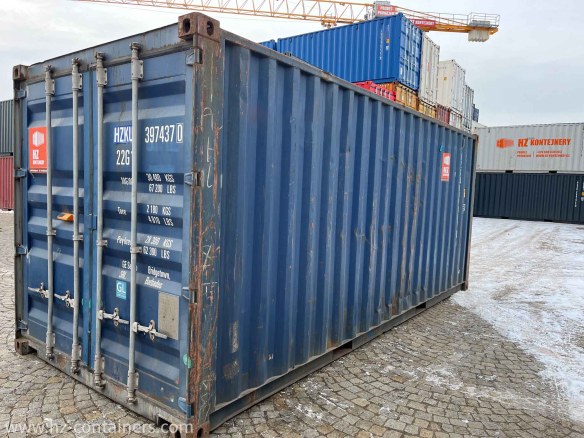
6m shipping container
Are you thinking about buying a 6-meter shipping container but aren’t sure what to look for? You are not alone—this 20-foot container is the best-selling size on the Czech market, and the differences between various types, conditions, and prices can be significant. In this guide, you will find everything you need to know: from exact dimensions and a comparison of categories (such as “one-way,” refurbished, and “Cargo Worthy”) to current prices and shipping advice.
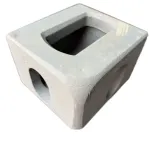
Corner casting steel vs aluminum
Every shipping container in the world — all 40 million of them — rests on eight critical components. Corner castings are the load-bearing blocks at each corner of an ISO shipping container, and they are the universal interface between the container and every crane, twistlock, spreader, and chassis on the planet. When you lift a container, stack it nine high on a ship, or lock it to a truck trailer, every ton of force flows through these fittings.