
Spare parts for shipping containers in stock from HZ CONTAINERS
Spare parts for shipping containers (English: spare parts for shipping containers) are specialized components that enable efficient repairs, regular maintenance, upgrades and modifications of standardized ISO shipping (maritime) containers. These parts are designed to meet strict requirements for durability, safety and long‑term reliability when exposed to extreme conditions – whether it is a marine climate, large temperature variations, mechanical stress during transport, or repeated handling by cranes and forklifts.
A crucial role is also played by standardization of parts – most spare parts are manufactured according to international ISO standards, ensuring compatibility across manufacturers and container types. Operators can be confident that new components will fit precisely and the container will meet the required safety standards (especially CSC – Container Safety Convention).
HZ CONTAINERS, based in the Czech Republic, is one of the leading domestic and EUROPEAN suppliers that holds a wide range of these parts in stock and provides expert consulting including fast delivery. This allows minimising downtime and repair costs.
Why maintenance and part replacement is essential
Shipping containers are designed for maximum service life – typically from highly resistant Corten steel, which is adapted to withstand atmospheric corrosion. Even these robust structures are not immune to long‑term mechanical wear or accidental damage. Regular inspection and timely part replacement is essential for many reasons:
| Reason for maintenance/replacement | Description and importance |
|---|---|
| Safety | Damaged corner castings, locks, hinges or seals can lead to loss of stability, endanger cargo and personnel, especially during stacking and transport. |
| Cargo protection | Leaking doors or walls allow water and dust to enter, which can damage the shipped goods. |
| Regulatory compliance | Containers intended for international transport must meet ISO and CSC standards. A damaged container may be taken out of service until repaired and re‑certified. |
| Extended service life | Preventive repairs prevent escalation of damage (e.g., corrosion spread) and prolong the container’s usable life. |
| Preserving value | A well‑maintained container has a higher residual market value for resale or rental. |
Recommended maintenance intervals
- Lubricate hinges and rolling tracks: once a month
- Lubricate lock and latch mechanisms: once every 14 days
- Check seal integrity of hydraulic connections (for special containers): once every 14 days
- Repair paint and surface protection: as needed, ideally immediately after wear is detected
Detailed overview of key spare parts
Main spare parts table for shipping containers
| Part category | Specification / note | Service life / maintenance |
|---|---|---|
| Door components | Complete doors, seals, locking bars, handles, hinges, latches, security locks | Replace seals every 3–5 years, lubricate moving parts once a month |
| Structural components | Corner castings, wall panels, floor panels | Corners – replace when deformed; floor – replace when cracked or broken |
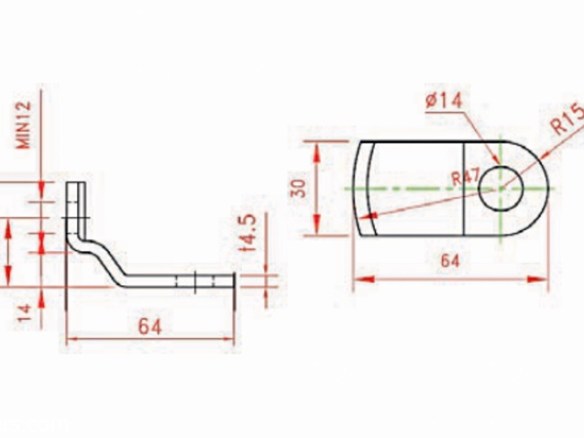
| Other accessories | Ventilation grills, twist locks, bridge fittings, drainage screws, lifting eyes | Inspect functionality at least twice a year |
1. Door components
Doors are the most heavily used part of a container – they are exposed to frequent handling, mechanical impacts and weather. Proper functioning is critical for safety and cargo protection.
Complete doors for shipping containers
- Use: When extensive damage (e.g., impact by forklift, heavy bending, corrosion breach) occurs, the whole door leaf often needs replacement.
- Types: Available for standard 20 ft and 40 ft containers, High Cube, refrigerated (reefer) and special insulated variants.
- Material: Corten steel, optionally stainless steel for specific applications.
- Installation: Requires professional removal of hinges and welding of the new leaf.
Door seals
- Function: Ensure watertight and dust‑tight closure. Prevents ingress of moisture, dust, insects and rodents.
- Material: Durable EPDM rubber, often UV‑stabilised, various profiles (“J”, “C”, etc.).
- Service life: With age, UV exposure, frost and mechanical stress the rubber hardens, cracks or loses elasticity; replace every 3–5 years or at first sign of leakage.
- Selection: Choose profile according to manufacturer and container type – always compare with the existing seal (preferably with photos).
Locking mechanisms and security features
- Locking bars: Steel bars that secure the door at the top and bottom of the frame. May be prone to bending or corrosion.
- Handles and levers: Used to turn locking bars; wear can cause poor operation or inability to open.
- Keepers and latches: Provide firm attachment of locking bars to the frame.
- Security locks and lockboxes: Additional theft protection, often stainless steel. Lockboxes protect padlocks from cutting or tampering.
Hinges
- Description: Allow door opening. Consist of several segments and pins.
- Maintenance: Regular lubrication (ideally with pressure lubricators); replace if seized or bent, which usually requires welding.
2. Structural and shell components
Corner castings
- Definition: Cast iron or steel blocks at the eight corners of a container, standardized to ISO 1161.
- Function: Enable stacking, crane lifting, fixation on wagons and trailers (via twist locks).
- Replacement: Required when deformed, cracked or severely fatigued; needs professional inspection and strength testing.
Wall panels
- Material: Corrugated Corten steel sheets, typically 1.6–2.0 mm thick. Corrugation adds stiffness and resistance to denting.
- Repairs: Small damage can be welded; larger deformations or holes require cutting out and welding a new panel. Early repair prevents corrosion spread.
Floor panels
- Composition: Layered plywood (usually birch or tropical hardwood) 28–30 mm thick, treated against pests and moisture. Newer containers may have bamboo flooring (higher durability, more ecological).
- Typical damage: Breakage under heavy load, delamination, fungal attack.
- Replacement: Remove damaged piece and fit a new panel, fastening with self‑tapping screws to steel cross members.
3. Ventilation and other accessories
Ventilation grills
- Function: Allow airflow and reduce condensation (“container rain”).
- Variants: Small standard grills for ordinary containers; larger ventilation systems for storage or habitation containers.
- Installation: New or replacement grills are easy to mount; additional fittings can be added later.
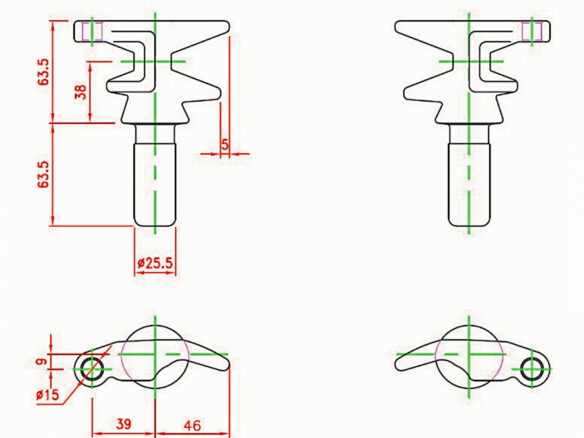
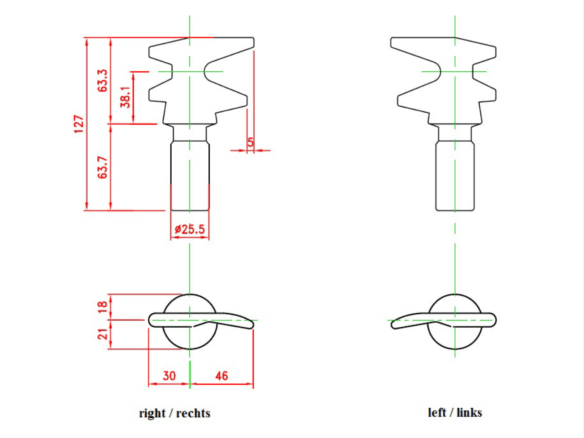
Twist locks and bridge fittings
- Twist locks: Mechanical locks for stacking containers on each other or securing them to transport equipment. Conform to ISO 1161/1496.
- Bridge fittings: Horizontal connectors joining two containers side‑by‑side (e.g., in warehouses or modular buildings).
Additional accessories
- Drainage screws: Allow condensate to drain from the floor (especially in refrigerated containers).
- Lifting eyes and brackets: For special handling, e.g., crane lifting in difficult conditions.
- Spare paints and coatings: For surface paint repairs and anti‑corrosion protection.
How to correctly identify and order a spare part
Accurate identification of a spare part is essential for full compatibility and safe operation.
Procedure:
- Determine basic container data: CSC plate number (usually on the left door), manufacturer, type, dimensions (20 ft, 40 ft, HC, etc.).
- Take photographic documentation: Detailed images of the damaged area and surrounding parts, including a scale (e.g., a ruler).
- Consult an expert: Send photos and CSC plate information to the supplier (e.g., HZ CONTAINERS), who will recommend the correct part and variant.
- Verify availability: Most key parts are in stock at HZ CONTAINERS with immediate dispatch. Specific components may have longer lead times.
Tip: Always provide a telephone contact for easier delivery coordination and carrier consultation.
Importance of a local in‑stock supplier: HZ CONTAINERS in the Czech Republic
Choosing a reliable Czech supplier brings several advantages:
- Fast delivery: In‑stock parts can be shipped immediately, minimising downtime and financial loss.
- Expert advice: Personal consultation in Czech, experienced technical team.
- Lower transport costs: No expensive overseas shipping, reduced risk of delays.
- Wide assortment: Continuous catalogue updates, including parts for special and non‑standard containers.
- Secure ordering process: Website protected by SSL, customer data kept safe.
Related terminology
| Term | Meaning |
|---|---|
| ISO container | Container built according to international ISO standards (standardised size, compatible with transport equipment). |
| CSC plate | Metal plate declaring compliance with safety requirements for international transport (required for sea and rail). |
| Corten steel | Special steel with high resistance to atmospheric corrosion, forming a protective patina instead of paint. |
| Intermodal transport | Transport system where a container moves across different modes (ship, train, truck) without unpacking its contents. |
Frequently asked questions (FAQ)
How do I know which type of door seal I need?
Photograph a cross‑section of the seal and send it to the supplier. Several standard profiles exist, but visual comparison is the most reliable method.
Can I install the spare parts myself?
Yes, simpler items (seals, handles, ventilation grills) can be replaced with common tools. More complex components (hinges, wall panels, corner castings) require welding and metal‑working expertise – it is recommended to use professionals.
Why is it important to replace even slightly damaged door seals?
A small crack allows moisture to enter – during ocean voyages or heavy rain this can destroy the cargo.
Which parts wear out most frequently?
Door seals, locking mechanisms (handles, bars), hinges and floor panels are the most heavily stressed.
 Czech Republic
  WITHOUT SHIPPING
Other container news...
Corner casting steel vs aluminum
Every shipping container in the world — all 40 million of them — rests on eight critical components. Corner castings are the load-bearing blocks at each corner of an ISO shipping container, and they are the universal interface between the container and every crane, twistlock, spreader, and chassis on the planet. When you lift a container, stack it nine high on a ship, or lock it to a truck trailer, every ton of force flows through these fittings.

Construction cabin – selection, tips, dimensions and prices
Every construction project – whether a family house, a development project or a reconstruction – starts with the infrastructure. No construction manager, craftsman or investor who needs an on-site office, a changing room for workers or a safe storage for tools can do without a quality construction cell. But navigating the offer is not easy: residential containers, sanitary cells, storage modules, rental, purchase, refurbished pieces… This guide will give you answers to all the essential questions in one place.
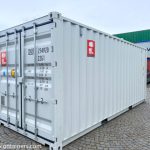
Storage container
A storage container is a lockable steel box designed for the safe and dry storage of materials, tools, goods or equipment. Originally created as a shipping container for maritime transport, its durability and versatility have found their way onto construction sites, corporate premises and private land.
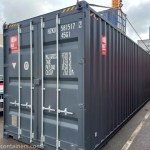
Shipping container 12m (40 ft)
A 12m shipping container is an investment that, if properly selected and cared for, will pay off in decades of trouble-free use. Whether you plan to use it as a warehouse, workshop, garage or the basis for a residential module — the key is careful selection of the condition, a thorough inspection before purchase and high-quality preparation of the base for placement. Take the time to compare offers, check the seller’s references and do not hesitate to personally inspect the container before buying. A properly selected 40-foot container will serve you reliably for many years.