
How to Properly Pack Different Types of Goods for Safe Transport in Containers
1. Introduction: Why Proper Packaging Is the Key to Successful Shipping
Safe transport of goods in containers is today the foundation of global logistics and trade. Every day, millions of tons of raw materials, products, and personal belongings travel across the world’s oceans in shipping containers. Proper packaging and securing of goods is crucial not only for protecting the value of the shipment, but also for the safety of the crew, other transported cargo, and the vessel itself. Goods that are poorly secured during transport are at risk of damage, loss, and high costs associated with claims or accidents. The aim of this article is to present the latest recommendations on how to pack different types of goods and what securing methods to use in accordance with current industry trends and standards.
Modern shipping containers differ not only in dimensions, but also in their structural design depending on the type of goods being transported. When packing, it is necessary to respect not only the nature of the goods, but also the type of container, the requirements of the destination, and the climatic conditions along the route. In the following chapters, we will therefore focus in detail on recommended procedures for packing dry, refrigerated, oversized, and fragile goods, and will also add advice on proper handling and labeling of shipments.
2. Types of Containers and Their Appropriate Use
Choosing the right container is the first step toward safe transport. The most commonly used are standard dry containers (Dry Containers), which are versatile and suitable for most goods that are not sensitive to temperature or humidity. For the transport of chilled or frozen food, refrigerated containers (Reefer Containers) are used, which maintain a constant temperature and protect food and pharmaceutical products from spoilage.
For oversized, irregularly shaped, or heavy machinery, open containers (Open Top Containers) or flat containers without fixed walls (Flat Rack Containers) are used. Special ventilated containers are used primarily for agricultural products that need air circulation to protect against mold and condensation.
The choice of the right type of container should always correspond to the nature of the goods and the handling requirements. It is also important to take into account the load capacity of the container and the possibilities for its subsequent handling at the port and at the destination. Last but not least, it is necessary to check that the container has no damage that could affect the safety of transport.
3. Latest Procedures and Recommendations for Packing Containers
According to the most current recommendations from maritime transport experts, when packing containers it is essential to pay attention primarily to the density and stability of the cargo. Empty spaces in the container represent a risk — goods can move during the voyage, hit the walls, or be damaged during handling. It is therefore advisable to fill the container as efficiently as possible and make maximum use of the available capacity.
If it is not possible to completely fill the container, it is important to use filling materials such as air bags (dunnage bags), foam materials, or polystyrene blocks. These materials absorb shocks and prevent the movement of goods. Strapping or stoppers serve to prevent cargo from falling out when the doors are opened.
Correct weight distribution is also essential — heavier items should always be placed at the bottom of the container and lighter ones on top. Even distribution of weight across the entire floor area of the container helps prevent tipping, damage during handling, and potential penalties for unbalanced loads.
4. Procedures for Packing Different Types of Goods
Packing goods into a container differs depending on the nature of the items being transported:
- Dry goods (textiles, electronics, furniture): Use sturdy cardboard boxes that are resistant to compression. Use bubble wrap and foam padding to protect corners and edges. Clearly label each box and record it in a list.
- Fragile items (glass, ceramics): Carefully wrap each piece in bubble wrap, separating individual layers with cardboard or foam boards. Place boxes with fragile goods on top and toward the sides of the container, where there is less risk of pressure.
- Food and pharmaceuticals: Use only certified refrigerated containers. It is important to regularly check the functionality of the cooling unit and correctly set the required temperature. Pack goods in insulating packaging that minimizes temperature fluctuations.
- Machinery and equipment: Disassemble everything possible and secure individual parts to the floor or walls of the container using bolts, straps, or chains. For machines with sensitive parts, use wooden braces and protective covers.
- Agricultural products: Store them in ventilated containers and use breathable packaging that allows air circulation.
It is always necessary to take into account the climatic conditions along the route. For long ocean voyages, it is advisable to use plastic films and desiccant bags that protect goods from moisture and corrosion.
5. Practical Tips for Efficient Use of Space and Protection of the Shipment
Efficient use of space in a container brings not only cost savings, but also greater safety. Use every available space — for example, fill the interiors of furniture, washing machines, or refrigerators with small items or textiles. This not only saves space but also protects fragile items from movement.
Layer goods by weight — heavy items at the bottom, light items on top. If you are transporting furniture, place it against the walls of the container, preferably in an upright position, to free up as much floor space as possible. Attach disassembled parts of tables and chairs with straps to the main piece of furniture or place them in drawers.
Proper labeling of all packages is also important. Number each box and include a brief description of the contents. Create a master list to keep with you and place another copy in a plastic sleeve directly inside the container. Mark boxes with fragile goods with the label “FRAGILE” and arrows indicating the correct orientation.
Protect the shipment from moisture using plastic films and desiccant bags. If possible, line the container floor with wooden pallets or plastic film to protect against potential water ingress.
6. Cargo Securing: Modern Methods and Safety Elements
Proper securing of cargo in a container is an essential precaution against damage during sea transport, where shipments are exposed to strong vibrations and movements. The most commonly used methods include:
- Stoppers and braces (shoring): Wooden beams, metal rods, or foam blocks are used to fix goods to the walls and prevent their movement.
- Strapping and chains (lashing): These can be used to attach heavy machinery or pallets to the container structure. Straps must be sufficiently strong and resistant to moisture.
- Fillers and cushions (dunnage bags): Used to fill empty spaces and absorb shocks.
- Locks and seals: Every container should be fitted with a security seal bearing a unique number after closing, which is recorded in the shipping documents.
When transporting sensitive or valuable goods, it is also advisable to use electronic motion sensors, GPS tracking, or humidity detectors. These technologies provide the shipper with control over the condition of the shipment throughout the entire transport period.
7. Most Common Mistakes and How to Avoid Them
The most common mistakes when packing include insufficient filling of space, poor weight distribution, absence of protective materials, and careless labeling. Another frequent problem is overlooking climatic risks — humidity, temperature fluctuations, or condensation can irreversibly damage a shipment.
Errors in cargo securing can lead to injuries during handling, loss of goods, or even an accident involving the entire container module during transport. It is therefore crucial to always follow current recommendations and invest in quality packaging and securing materials. Regularly check the condition of the container before loading and ensure that it is always clean, dry, and free of mechanical defects.
When packing, always prepare a sufficient quantity of fillers, protective films, straps, and labels. Plan the arrangement of goods in advance and make use of the expertise of specialists who can recommend optimal solutions for specific types of cargo.

 Czech Republic, Třebíč
  FREE SHIPPING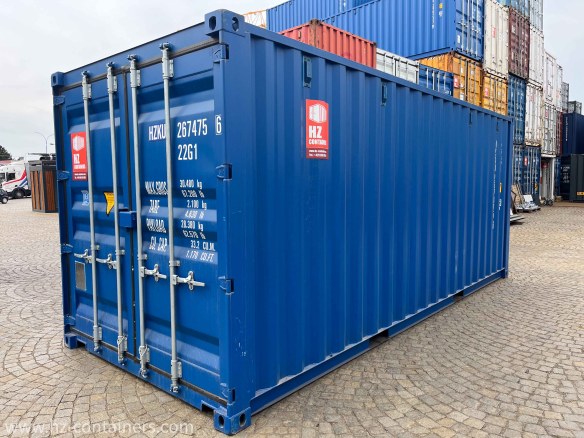
Other container news...
Corner casting steel vs aluminum
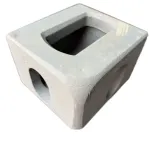
Every shipping container in the world — all 40 million of them — rests on eight critical components. Corner castings are the load-bearing blocks at each corner of an ISO shipping container, and they are the universal interface between the container and every crane, twistlock, spreader, and chassis on the planet. When you lift a container, stack it nine high on a ship, or lock it to a truck trailer, every ton of force flows through these fittings.

Construction cabin – selection, tips, dimensions and prices
Every construction project – whether a family house, a development project or a reconstruction – starts with the infrastructure. No construction manager, craftsman or investor who needs an on-site office, a changing room for workers or a safe storage for tools can do without a quality construction cell. But navigating the offer is not easy: residential containers, sanitary cells, storage modules, rental, purchase, refurbished pieces… This guide will give you answers to all the essential questions in one place.
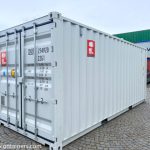
Storage container
A storage container is a lockable steel box designed for the safe and dry storage of materials, tools, goods or equipment. Originally created as a shipping container for maritime transport, its durability and versatility have found their way onto construction sites, corporate premises and private land.
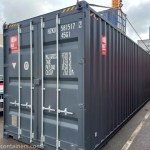
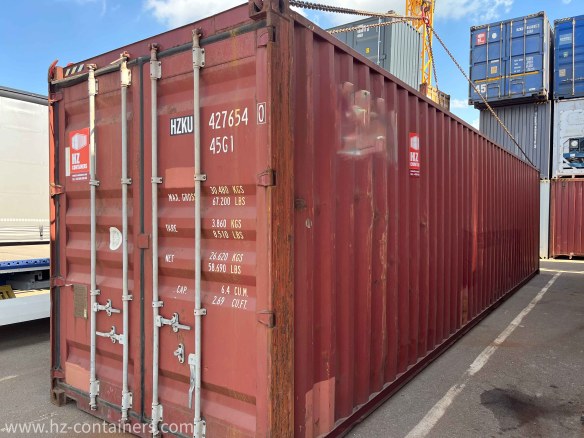
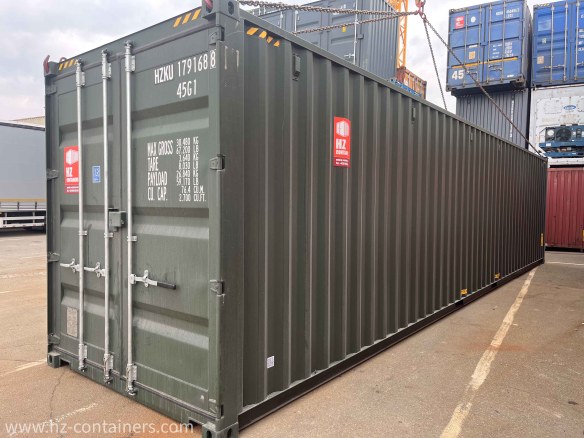
Shipping container 12m (40 ft)
A 12m shipping container is an investment that, if properly selected and cared for, will pay off in decades of trouble-free use. Whether you plan to use it as a warehouse, workshop, garage or the basis for a residential module — the key is careful selection of the condition, a thorough inspection before purchase and high-quality preparation of the base for placement. Take the time to compare offers, check the seller’s references and do not hesitate to personally inspect the container before buying. A properly selected 40-foot container will serve you reliably for many years.