
History of the shipowner Mediterranean Shipping Company (MSC)
Mediterranean Shipping Company S.A., known as MSC, is one of the world’s leading container shipping companies. This international shipping company was founded in 1970 by Gianluigi Aponte in Italy. Since 1978, MSC has been based in Geneva, Switzerland and is still owned by the Aponte family.
Beginnings and growth
Gianluigi Aponte started his business with one single ship and a vision to create a global shipping network. Thanks to his entrepreneurial spirit and determination, the company grew rapidly. Within a few years, MSC became a key player in the container shipping market, not only in Europe but also worldwide.
Expansion into global waters
In 1978, just eight years after its founding, MSC moved its headquarters to Geneva, a strategic decision that gave the company better access to global markets. This move proved crucial to the company’s further expansion. Today, MSC controls 20% of global container shipping capacity, making it the largest container shipping company in the world.
Family values and innovation
As a family-owned company, MSC places great emphasis on long-term partnerships and sustainability. The company invests in modern ships and technologies that not only increase efficiency but also minimise environmental impact. MSC prides itself on its ability to innovate and adapt to the changing needs of its customers.
MSC Cruises: expansion into the cruise industry
In addition to its success in the shipping industry, MSC has also expanded into the travel industry through MSC Cruises. This division has quickly become one of the largest and fastest growing brands in the cruise vacation industry. MSC Cruises offers a wide range of destinations, from the Mediterranean to the Caribbean, and focuses on providing memorable experiences for its guests.
Sustainability and the future
MSC is committed to playing a leading role in sustainability. The company is investing in research and development of new technologies to reduce emissions and improve the energy efficiency of their fleet. MSC also works with various organisations to protect the marine environment and supports initiatives to reduce plastics in the oceans.
Other container news...
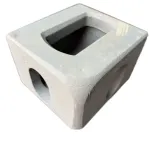
Corner casting steel vs aluminum
Every shipping container in the world — all 40 million of them — rests on eight critical components. Corner castings are the load-bearing blocks at each corner of an ISO shipping container, and they are the universal interface between the container and every crane, twistlock, spreader, and chassis on the planet. When you lift a container, stack it nine high on a ship, or lock it to a truck trailer, every ton of force flows through these fittings.

Construction cabin – selection, tips, dimensions and prices
Every construction project – whether a family house, a development project or a reconstruction – starts with the infrastructure. No construction manager, craftsman or investor who needs an on-site office, a changing room for workers or a safe storage for tools can do without a quality construction cell. But navigating the offer is not easy: residential containers, sanitary cells, storage modules, rental, purchase, refurbished pieces… This guide will give you answers to all the essential questions in one place.
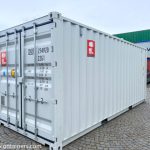
Storage container
A storage container is a lockable steel box designed for the safe and dry storage of materials, tools, goods or equipment. Originally created as a shipping container for maritime transport, its durability and versatility have found their way onto construction sites, corporate premises and private land.
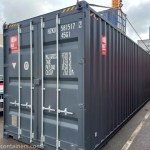
Shipping container 12m (40 ft)
A 12m shipping container is an investment that, if properly selected and cared for, will pay off in decades of trouble-free use. Whether you plan to use it as a warehouse, workshop, garage or the basis for a residential module — the key is careful selection of the condition, a thorough inspection before purchase and high-quality preparation of the base for placement. Take the time to compare offers, check the seller’s references and do not hesitate to personally inspect the container before buying. A properly selected 40-foot container will serve you reliably for many years.