
Dimensions of shipping containers according to ISO classification
Shipping containers play a vital role in a globalized world where it is necessary to efficiently and safely transport goods between continents. The standardization of containers through the International Organization for Standardization (ISO) has enabled the smooth running of logistics processes across different means of transport. The ISO 668 standard defines the classification, dimensions and load capacity of so-called ISO class 1 containers, of which there are a total of six types (1A to 1F). However, the most widespread of them are types A and C, which you will encounter most often in practice. In this article, we will focus on a detailed description of these containers: 1C, 1CC, 1A, 1AA and 1AAA.
Overview of ISO 1 containers
ISO 1 containers are designed to enable efficient handling, stacking and transport by sea, rail and road. The division into types 1A to 1F is based on their length and height, which affects their capacity and possibilities of use. The standardization of these dimensions ensures compatibility between means of transport and minimizes complications when transferring goods.
Container types A and C
Type A and C containers are the most common in international transport. Type A includes 40-foot containers with a length of 12 meters, while Type C represents 20-foot containers with a length of 6 meters. These containers are the basis of global trade due to their versatility and adaptability to different types of cargo. That Type 1A is twice as long as Type 1C is no coincidence. This property allows them to stack with each other. The body of the container is made of solid metal and is designed for stacking up to 6 containers on top of each other as standard.
While the width is fixed, the length and height of the containers vary depending on the type. Base models designated as 1A and 1C have a standard height of 2438mm. However, there are also higher types such as 1AA and 1CC with a height of 2591 mm, and a large container 1AAA with a height of 2896 mm.
Detailed knowledge of the specifics of individual container types is key to effective logistics. The following description presents the technical parameters and use of containers 1C, 1CC, 1A, 1AA and 1AAA.
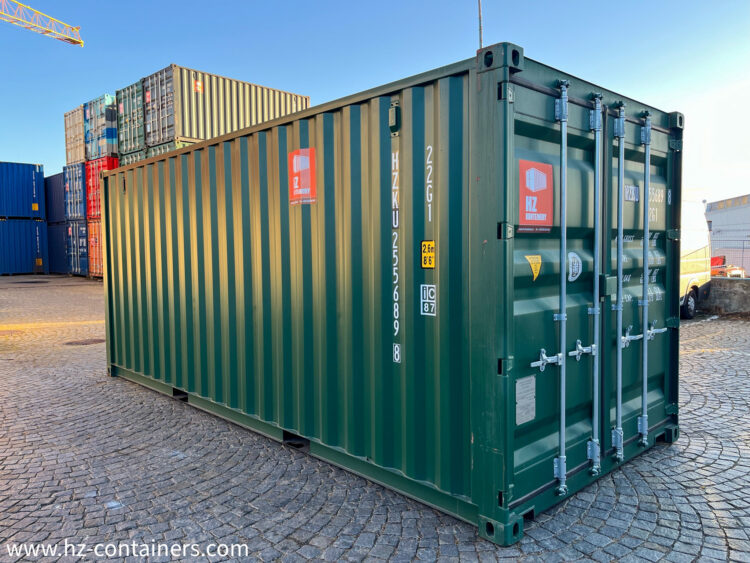
Container 1C
Technical specifications:
- External dimensions:
- Length: 6.058 m
- Width: 2.438 m
- Height: 2,438 m
- Internal dimensions:
- Length: approximately 5.898 m
- Width: 2.352 m
- Height: 2,352 m
- Capacity: approx. 30.9 m³
- Maximum gross weight: 24,000 kg – 26,500 kg
The 1C container is a low variant of the 20-foot container. The lower height of this container is suitable for transporting heavy goods with a smaller volume, such as metal ingots or heavy machine parts. A lower center of gravity improves stability during transport and stacking.
1CC container
Technical specifications:
- External dimensions:
- Length: 6.058 m
- Width: 2.438 m
- Height: 2,591 m
- Internal dimensions:
- Length: approximately 5.898 m
- Width: 2.352 m
- Height: 2,393 m
- Capacity: approx. 33.2 m³
- Maximum gross weight: 28,000 – 30,480 kg
The 1CC container, also known as the standard 20-foot container, is the most widely used type in sea shipping. It is ideal for transporting a wide range of goods, from consumer products to industrial materials. Its compact dimensions facilitate handling and enable the transport of heavy loads with a lower volume.
1CCC container
Technical specifications:
- External dimensions:
- Length: 6.058 m
- Width: 2.438 m
- Height: 2,896 m
- Internal dimensions:
- Length: approximately 5.898 m
- Width: 2.352 m
- Height: 2,698 m
- Capacity: approx. 37.4 m³
- Maximum gross weight: 28,500 – 30,480 kg
The 1CCC container, also known as the 20-foot High Cube container, is a frequently used type in sea transportation. It is ideal for transporting a wide range of goods, which provides a higher height. Its compact, taller dimensions make it easier to handle and allow the transport of bulkier loads with higher volume.

Container 1A
Technical specifications:
- External dimensions:
- Length: 12.192 m
- Width: 2.438 m
- Height: 2,438 m
- Internal dimensions:
- Length: approximately 12.032 m
- Width: 2.352 m
- Height: 2,352 m
- Capacity: approx. 66.4 m³
- Maximum gross weight: approx. 28,000 kg
The 1A container, known as a low 40-foot container (low cube), offers a reduced internal volume. It is ideal for transporting lower but heavier goods. A lower center of gravity improves stability during transport and stacking.
Container 1AA
Technical specifications:
- External dimensions:
- Length: 12.192 m
- Width: 2.438 m
- Height: 2,591 m
- Internal dimensions:
- Length: approximately 12.032 m
- Width: 2.352 m
- Height: 2,393 m
- Capacity: approx. 67.7 m³
- Maximum gross weight: 30,480 kg
The standard 40-foot container 1A is ideal for transporting larger volumes of goods. Thanks to its length, it is suitable for lighter but bulkier loads. It is often used in the transport of textiles, electronics, furniture and other consumer goods.
1AAA container
Technical specifications:
- External dimensions:
- Length: 12.192 m
- Width: 2.438 m
- Height: 2,896 m
- Internal dimensions:
- Length: approximately 12.032 m
- Width: 2.352 m
- Height: 2,698 m
- Capacity: approx. 76.4 m³
- Maximum gross weight: 30,480 kg
The 1AAA container, known as a high 40-foot container (high cube), offers increased internal volume due to its increased height. It is ideal for transporting bulky but light goods such as plastic products, clothes on hangers or furniture. Increased capacity enables better use of space and lowers costs per unit of transported volume.
Clear table of dimensions of ISO 1 containers:
| ISO 1 containers | length | height | width | |||||||
| [mm] | [stop] | [mm] | [stop] | [mm] | [stop] | |||||
| 1C | Low Cube | 6058 | 20 | 2438 | 8 | 2438 | 8 | |||
| 1CC | Standard | 6058 | 20 | 2591 | 8.5 | 2438 | 8 | |||
| 1CCC | High Cube | 6058 | 20 | 2896 | 9,5 | 2438 | 8 | |||
| 1A | Low Cube | 12192 | 40 | 2438 | 8 | 2438 | 8 | |||
| 1AA | Standard | 12192 | 40 | 2591 | 8.5 | 2438 | 8 | |||
| 1AAA | High Cube | 12192 | 40 | 2896 | 9.5 | 2438 | 8 | |||
.
The importance of choosing the right container
The right choice of container is crucial for efficient logistics and cost minimization. When choosing, it is necessary to consider:
- Dimensions and weight of the goods: Ensure that the goods correspond to the internal dimensions and that the maximum load capacity is not exceeded.
- Nature of the goods: Some materials may require special conditions such as moisture protection or temperature regulation.
- Loading efficiency: Optimizing the use of space can reduce transportation costs.
- Legal Restrictions: Some countries may have restrictions regarding the transportation of excess cargo or the use of certain types of containers.
Understanding the differences between individual container types enables better planning and can bring significant savings in the logistics chain.
DIMENSIONS OF SHIPPING CONTAINERS ACCORDING TO ISO 1
The standardization of shipping containers according to ISO 668 has made a significant contribution to the efficiency and safety of international transport. 1C, 1CC, 1A, 1AA and 1AAA containers are essential elements of global trade and their proper use is essential for successful logistics. By understanding their specifications and making the right choice, you can optimize transport processes, reduce costs and ensure that goods arrive at their destination on time and in good order.
When planning transport, it is therefore important to cooperate with logistics experts and carefully consider all the parameters of the goods as well as the requirements of the target markets. Choosing the right container is not only a question of dimensions, but also a strategic decision that can affect the overall success of a business operation.
Other container news...
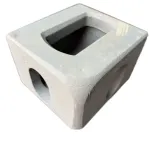
Corner casting steel vs aluminum
Every shipping container in the world — all 40 million of them — rests on eight critical components. Corner castings are the load-bearing blocks at each corner of an ISO shipping container, and they are the universal interface between the container and every crane, twistlock, spreader, and chassis on the planet. When you lift a container, stack it nine high on a ship, or lock it to a truck trailer, every ton of force flows through these fittings.

Construction cabin – selection, tips, dimensions and prices
Every construction project – whether a family house, a development project or a reconstruction – starts with the infrastructure. No construction manager, craftsman or investor who needs an on-site office, a changing room for workers or a safe storage for tools can do without a quality construction cell. But navigating the offer is not easy: residential containers, sanitary cells, storage modules, rental, purchase, refurbished pieces… This guide will give you answers to all the essential questions in one place.
Storage container
A storage container is a lockable steel box designed for the safe and dry storage of materials, tools, goods or equipment. Originally created as a shipping container for maritime transport, its durability and versatility have found their way onto construction sites, corporate premises and private land.
Shipping container 12m (40 ft)
A 12m shipping container is an investment that, if properly selected and cared for, will pay off in decades of trouble-free use. Whether you plan to use it as a warehouse, workshop, garage or the basis for a residential module — the key is careful selection of the condition, a thorough inspection before purchase and high-quality preparation of the base for placement. Take the time to compare offers, check the seller’s references and do not hesitate to personally inspect the container before buying. A properly selected 40-foot container will serve you reliably for many years.