
ISO 1C Container
ISO containers are one of the key innovations in the field of global transport and logistics. A container marked ISO 1C is a standardized transport vehicle that meets the standards of the International Organization for Standardization (ISO). These standards determine specifications for dimensions, durability, quality and container safety, which facilitates their handling, storage and transport throughout the world.
History and Development of ISO Containers
The first ISO containers were introduced in the mid-20th century in response to the need for a more efficient transport system. Standardization made it possible to unify procedures across different modes of transport, from ships through trains to trucks. Containerization significantly reduced the costs and time required for cargo transshipment.
ISO 1C Container Specifications
The ISO 1C container is one of the most commonly used types of containers in the world of transport. It has a standardized length of 20 feet, which corresponds to approximately 6 meters. This size ensures an optimal ratio between container capacity and its mobility. It is typically used for the transport of dry goods, but can be adapted for other types of cargo, including refrigeration equipment.
Advantages of ISO Containers
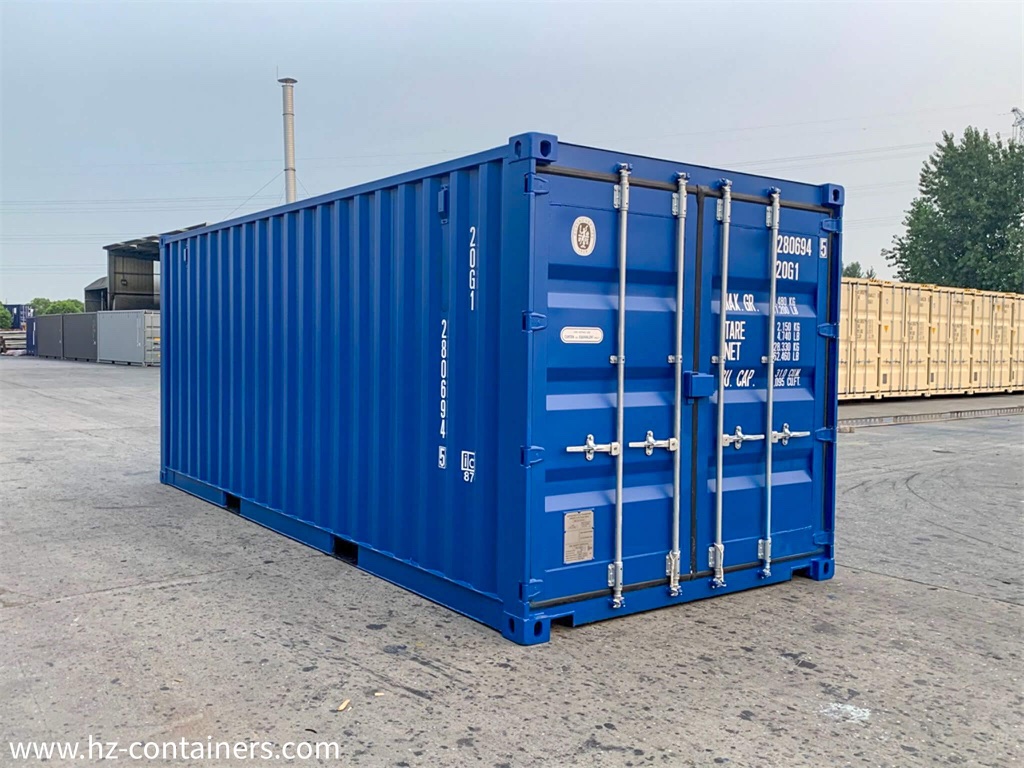
ISO containers, including the 1C model, provide several key advantages:
- Versatility: Uniform dimensions allow easy integration into various modes of transport.
- Durability and Safety: Quality construction ensures protection of contents from weather influences and mechanical damage.
- Cost Efficiency: Easy handling and stacking capability increase the efficiency of logistics activities and reduce transport costs.
Coding System and Container Types
Each ISO container is marked with a unique code that describes its size, type and other characteristics. This identification is key to proper handling and tracking of containers during their journey. The ISO 1C type can have various variations depending on special needs, such as open-top roofs or refrigerated containers.
Advanced Applications
In modern supply chains, ISO containers play a crucial role due to their adaptability and ability to meet specific requirements. Innovations in container materials and designs contribute to further improvement of their properties, such as increased environmental sustainability.
ISO containers, such as the 1C model, are a permanent pillar of global trade. They ensure that goods and materials are delivered efficiently, safely and with minimal impact on the environment. Continued development and standardization in this area are key to supporting global economic growth and contributing to sustainable logistics solutions.
ISO 1C Container Dimensions
The key dimension for the ISO 1C container is its length, which is typically 20 feet (approximately 6 meters). These containers have a width of around 8 feet (approximately 2.44 meters) and a height of around 8.5 feet (approximately 2.59 meters). These dimensions allow universal use in the transport of a wide range of dry goods and can sometimes be adapted for specific purposes, such as refrigerated transport. The standardized size and robust construction of the ISO 1C facilitates efficient stacking and accessibility, which contributes to its widespread use in global logistics. Each container is additionally uniquely identified by a specific coding system for easy tracking and management during its journey in the supply chain.

 Czech Republic, Třebíč
  FREE SHIPPING