
Differences in Door Seals Between Dry and Refrigerated Containers
Door seals on maritime containers are one of the most important structural elements that directly affect safety, quality, cargo value and operating costs of transport. Although it is often an “invisible” component located on the door edge, its significance is crucial – from basic protection to ensuring the hermetic and insulating properties required for transporting temperature‑sensitive goods.
The basic difference lies in their primary purpose:
- Dry‑container seal: Provides water‑tightness, dust‑tightness and protects against pests and weather. Its main aim is to prevent water, dust, sand and insects from entering the container interior.
- Reefer (refrigerated‑container) seal: Must create a perfectly hermetic enclosure with superior insulation. Its main function is to prevent any loss of cold and any ingress of heat, which is essential for temperature control and maintaining the quality of the cargo.
Let’s look in detail at the construction, material and functional differences of these two seal types.
Detailed analysis of door seals
1. Door seal on a dry container (Dry Container)
Dry containers are the most common type of transport containers, intended for goods that do not require temperature control.
Purpose and Functions
- Water‑tightness: Prevents water ingress during rain, waves or condensation.
- Air‑tightness: Protects against dust, sand and fine particles that could damage or degrade the cargo.
- Pest protection: Proper sealing blocks insects and rodents.
- Security: Combined with locks, it makes unauthorized entry difficult.
Construction and Materials
- Material: Most often EPDM (Ethylene‑Propylene‑Diene Monomer) rubber, sometimes PVC. EPDM is highly resistant to UV radiation, ozone, seawater, extreme temperatures (‑40 °C to +120 °C), ageing and chemicals.
- Hardness: Standard seals have a hardness of 65–75 ShA (Shore A), offering an optimal balance of flexibility and compression resistance.
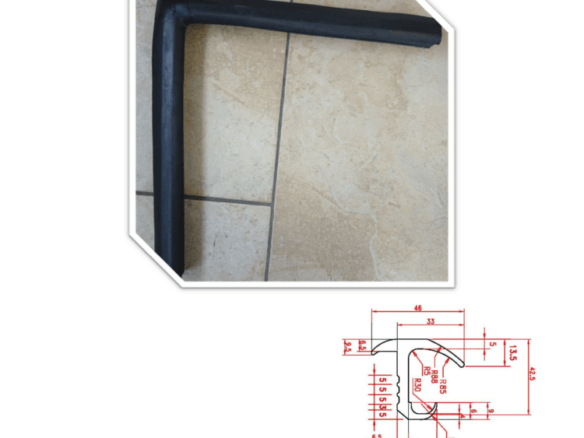
- Profile: Usually a “J” (J‑Type) or “C” shape, allowing tight contact with the door frame.
- Dimensions: Typical cross‑sections are, for example, 34 × 37 × 20 mm (width × height × thickness).
- Installation: The seal is fitted onto the inner door edge and secured with rivets, adhesive or a groove in the frame.
- Service life: When properly maintained, the seal lasts 8–15 years, depending on climate and usage frequency.
Key Features
- Simplicity and robustness: The J profile is designed for maximum frame contact, good compression properties and easy replacement.
- Cost‑effectiveness: Simple construction and wide availability make seal replacement inexpensive and quick.
- Repair options: Damaged sections can be cut out and replaced with a new segment.
Common Problems and Maintenance
- Aging and hardening: Sun, frost and door movement can cause EPDM to lose flexibility over time.
- Cracking and fissures: Typically appear at points of greatest compression (corners, contact points).
- Recommendations: Regular inspection, cleaning of salt and sand, occasional lubrication with silicone oil to extend service life.
2. Door seal on a refrigerated container (Reefer Container)
Refrigerated containers are designed for transporting goods that spoil quickly (food, pharmaceuticals, plants). The seal is critical for maintaining temperature and minimizing energy loss.
Purpose and Functions
- Hermetic closure: The seal must prevent any loss of cold air even under extreme conditions (down to ‑40 °C).
- Thermal insulation: Prevents thermal bridges between the external and internal environments of the container.
- Atmospheric barrier: For containers with controlled atmospheres, it stops gases from escaping or entering, which is vital for storing fruit and vegetables.
- Prevention of door icing: Some systems incorporate heating elements in the seal for arctic conditions.
Construction and Materials
- Material: Combination of highly flexible PVC blends, silicone rubber or special polymers that retain flexibility at deep‑freeze temperatures (standard EPDM loses sealing ability).
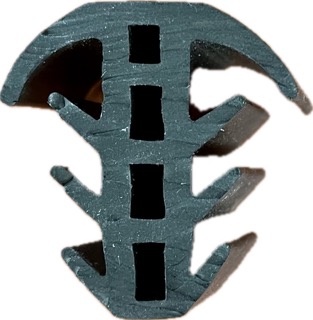
- Profile: Double‑ or triple‑lamella system with several “fins” and air chambers – multiple layers with different hardnesses and functions (e.g., softer outer lamella for adhesion, harder inner lamella for structural integrity).
- Dimensions and shapes: Tailored to the specific door model, some types offering magnetic attachment.
- Installation: Usually inserted into a special groove in the door frame or bonded with adhesive. Doors are built with insulation foam (PUR, PIR) and stainless‑steel or aluminium facing to minimise thermal bridges.
- Hardness: Lower than dry‑container seals, typically 55–65 ShA.
- Service life: 5–10 years, with regular inspections required due to high sealing demands.
Key Features
- Maximum insulating capability: Multi‑layer system minimises heat loss, reducing the energy required for cooling.
- Ice‑resistance: Special surface treatment or integrated heating prevents door freezing in extreme cold.
- Higher acquisition and operating costs: More complex manufacture, pricier materials and more demanding replacement.
- Critical for the cold chain: Seal failure jeopardises the entire refrigerated logistics chain.
Common Problems and Maintenance
- Deformation: Prolonged compression or irregular closing can cause loss of sealing.
- Icing: Especially when opening in extreme cold; brief ventilation and limiting door‑open time are recommended.
- Recommendations: Check seal integrity at every opening, clean regularly, replace preventively when signs of ageing appear.
Direct comparison of key aspects
| Criterion | Dry Container | Refrigerated Container |
|---|---|---|
| Primary purpose | Water‑tightness, dust‑tightness, pest protection | Thermal insulation, hermetic closure, cold‑chain integrity |
| Construction complexity | Simple profile (J, C), single piece | Double/tri‑lamella system, multiple layers |
| Materials used | EPDM, PVC | Specialized PVC, silicone, freeze‑resistant elastomers |
| Number of sealing profiles | 1 | 2–3, multiple lamellae and air chambers |
| Temperature resistance | ‑40 °C to +120 °C | Must stay flexible at ‑40 °C and below |
| Cost (acquisition, maintenance) | Low | High |
| Service life | 8–15 years | 5–10 years (high maintenance demand) |
| Repair options | Simple segment replacement | Whole system replacement, professional installation required |
| Importance for cargo | High (protection from moisture) | Critical (maintaining cargo quality) |
| Impact on energy efficiency | Minimal | Significant, directly affects refrigeration unit consumption |
Why are these differences so important?
- Economic impact: Seal failure in a refrigerated container breaks the cold chain and can cause million‑dollar losses. In a dry container, water damage can harm cargo but rarely leads to total loss.
- Energy efficiency: Leaks in reefers increase energy consumption and operating costs, also raising the carbon footprint.
- Cargo safety and quality: In food and pharma sectors, reliable sealing is required to meet strict regulations.
- Operational reliability: Regular seal checks (especially on reefers) are essential to prevent major losses.
Related terms and definitions
- J‑Type Seal: The most common door‑seal shape for dry containers, providing optimal compression and easy replacement.
- EPDM (Ethylene‑Propylene‑Diene Monomer): Synthetic rubber with excellent weather, UV, seawater and chemical resistance.
- Shore A hardness (ShA): Measures material flexibility; typically 65–75 ShA for dry containers, 55–65 ShA for refrigerated containers.
- Seal replacement: Removing the old seal and installing a new one; quick and inexpensive for dry containers, requires precision and expertise for reefers.
- Thermal bridge: Area where the insulation barrier is compromised, allowing heat transfer.
- Cold chain: Continuous series of logistical operations that keep goods at required temperatures.
- High Cube Container: Container with an extra 30 cm of height; door seals are similar to standard containers.
- Open Top Container: Container with a removable roof; door seal is similar to that of a dry container.
Practical recommendations for seal maintenance and inspection
- Regular visual inspection: At every door opening, especially on refrigerated containers.
- Cleaning: Remove dust, salt and ice from the seal.
- Lubrication: Apply silicone sprays to maintain flexibility.
- Immediate replacement of damaged sections: Particularly important for dry containers.
- Professional service: For reefers, seal replacement should be performed by a qualified company.
Conclusion
The differences in door seals between dry and refrigerated containers are fundamental to the proper operation of both container types. A robust, simple seal on a dry container focuses on protection from external elements, while the complex, multi‑layer seal on a refrigerated container is essential for temperature stability, energy efficiency and cargo safety.
When selecting, purchasing or renting a container, the condition of the seal is one of the most critical parameters to monitor. Modern logistics, with ever‑higher demands for quality and reliability, continuously innovates in seal technology – from new materials to smart sealing‑monitoring systems.

 Czech Republic
  WITHOUT SHIPPING
Other container news...
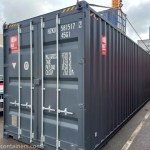
Shipping container 12m (40 ft)
A 12m shipping container is an investment that, if properly selected and cared for, will pay off in decades of trouble-free use. Whether you plan to use it as a warehouse, workshop, garage or the basis for a residential module — the key is careful selection of the condition, a thorough inspection before purchase and high-quality preparation of the base for placement. Take the time to compare offers, check the seller’s references and do not hesitate to personally inspect the container before buying. A properly selected 40-foot container will serve you reliably for many years.
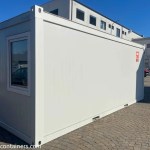
Construction container
A construction container is an investment in safety, order and comfort — whether it is protecting tools from thieves or providing a dignified environment for workers. There are three key decisions: type (storage, residential, sanitary, rubble), form of acquisition (rent vs. purchase) and legislative provision (occupation, building code).

Construction cabin – selection, tips, dimensions and prices
Every construction project – whether a family house, a development project or a reconstruction – starts with the infrastructure. No construction manager, craftsman or investor who needs an on-site office, a changing room for workers or a safe storage for tools can do without a quality construction cell. But navigating the offer is not easy: residential containers, sanitary cells, storage modules, rental, purchase, refurbished pieces… This guide will give you answers to all the essential questions in one place.
Storage container
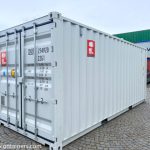
A storage container is a lockable steel box designed for the safe and dry storage of materials, tools, goods or equipment. Originally created as a shipping container for maritime transport, its durability and versatility have found their way onto construction sites, corporate premises and private land.