
Corrosion and Repairs of Steel Structure of Shipping Containers and Repairs of Door and Roof Seals and Gaskets (Seal & Gasket Repairs)
What is Corrosion and Repair of Steel Structure of Shipping Container?
Corrosion and repairs of steel structure designate a complex set of expert procedures, techniques and strategies aimed at identifying, preventing and remedying damage caused by corrosion, mechanical wear and other external influences on steel parts of intermodal containers. These processes range from minor cosmetic adjustments through fundamental structural repairs to complete component replacements. An integral part is also repairs of door and roof seals and gaskets, which ensure watertightness and cargo protection.
Key objectives of repairs and maintenance:
- Ensuring structural integrity: Maintaining the strength and stability of the entire container.
- Compliance with international standards: ISO, CSC, TIR – without valid certification, the container cannot be used in international transport.
- Maximizing service life and return on investment: Expert maintenance extends container service life typically to 25–30 years.
- Cargo protection from external influences: Water, dust, pests, extreme temperatures.
- Minimizing repair and replacement costs: Prevention is the most cost-effective strategy in the long term.
Understanding the Problem: Common Types of Damage and Their Causes
Corrosion – The Silent Enemy of Steel
- Material: Most containers are made from Corten steel (COR-TEN®), which has increased resistance to atmospheric corrosion due to the formation of a protective patina.
- Risk areas:
- Roof panels: Water stagnation, fallen leaves, ice, UV radiation.
- Lower parts of doors and thresholds: Moisture, de-icing salts, mud.
- Welds, joints and corners: Areas of coating damage, moisture concentration.
- Floor beams: Exposed to water, mud, de-icing salts or spilled chemicals from underneath.
- Corrosion process:
- After coating damage (scratches, dents), oxidation accelerates.
- Corrosion is accelerated in “pocket” areas – poorly ventilated places where moisture remains.
Note: Initial surface corrosion is easily removed with a wire brush and treated with anti-corrosion coating. Advanced corrosion, however, requires professional intervention.
Common Mechanical Damage
| Type of Damage | Typical Causes | Risks and Consequences |
|---|---|---|
| Dents, deformations | Impact during handling, stacking | Strength compromise, difficult sealing |
| Holes, cracks | Strong impacts, advanced corrosion | Leaking, cargo damage |
| Floor damage | Heavy cargo, moisture, chemicals | Injury hazard, loss of floor load capacity |
| Door problems | Hinge wear, seal damage | Cannot close, water ingress risk |
| Corner element damage | Improper handling | Loss of safe stacking capability |
Technical Procedures for Steel Structure Repairs
Welding
- Materials: Exclusively alloys of comparable or better strength than original Corten (commonly S355 or S235).
- Types of welds:
- Tack: For temporary fastening.
- Skip: Reduced thermal stress.
- Butt: Connection without overlap, requires precise edge beveling.
- Continuous: For watertight joint, e.g., on roof.
- Weld inspection:
- Visual (pores, spatter, undercut).
- Non-destructive testing (magnetic particle method, ultrasound for critical joints).
Straightening
- Mechanical: Hammers, mallets, levers, weights – always with backing plate to prevent further deformations.
- Hydraulic: Presses and spreaders for larger areas.
- Heat application: Careful application of heat (max. 650 °C), requires experience due to possible structural damage to steel.
Inserting Parts and Patching
- Insert: Cutting out and replacing damaged part with panel of same material and profile.
- Patch: Welding an overlapping part with overlap (13–20 mm). Must not be used on load-bearing elements where moisture retention is a risk.
- Emphasis on standards compliance: For structural repairs always in accordance with IICL standards.
Sectioning
- Replacement of a larger section of panel or beam – used for extensive damage where patching alone is not effective.
Complete Component Replacement
- Example: Replacement of entire door leaf, bottom frame, corner casting.
- Required precision: Compliance with dimensional tolerances to ensure stackability and safety.
Key Repairs for Maintaining Watertightness: Door and Roof Seals
Door Seal and Gasket Repairs
- Types of seals:
- 3-sided (left doors) and 4-sided (right doors) – must be correctly distinguished when ordering replacement parts.
- Material: EPDM rubber, often with UV stabilization, resistant to oils and extreme temperatures.
- Signs of wear:
- Cracks, swelling, permanent deformations, separation from frame.
- Test: Closure capability, tightness (light test, possibly water test).
- Replacement tools: Sharp knife, flat screwdriver, rubber mallet, possibly rivet gun.
- Replacement procedure:
- Removal of fastening strip and old seal.
- Cleaning the surface.
- Insertion of new seal (pay attention to correct length and orientation).
- Fastening with strip/new rivets.
- Sealing joints with quality polyurethane sealant.
- Recommendation: Always replace seals on entire doors, not just part, on older containers.
Roof Repairs and Maintenance
- Roof panels: Most common location for holes and corrosion.
- Preventive measures:
- Regular removal of leaves, water, snow.
- Application of waterproofing coatings (bituminous, polymeric, reflective paints).
- Repairs:
- Small holes: Clean, weld, repaint with anti-corrosion coating.
- Larger damage: Panel replacement or patch – must always be watertight.
- Post-repair inspection: Water test or “light test” from inside.
Comprehensive Container Maintenance as Prevention
Prevention is the cheapest and most effective form of repair!
Regular Maintenance Checklist
- Regular inspections (minimum 2× per year):
- External inspection: Corrosion, dents, damaged coating, frame condition.
- Internal inspection: Signs of leaking, mold, floor damage.
- Doors: Hinge function, locks, seal condition.
- Foundation: Container must stand on level and well-drained ground.
- Cleaning: Regularly remove dirt, leaves, chemicals.
- Coatings: Immediately repair damaged paint (wire brush, anti-corrosion primer, quality metal coating).
- Lubrication: Hinges and lock bars – minimize wear and rust.
- Floor inspection: Keep dry, immediately repair rot or mechanical damage.
Economic and Safety Aspects of Repairs
When is Repair Cost-Effective?
- Repair costs vs. container price: Minor repairs are almost always worthwhile.
- Age and residual value: For very old containers, extensive repairs usually do not pay off.
- Future use: Container intended for storage can withstand more repairs than container intended for transport.
- Market price of new/used containers: Replacement may sometimes be more advantageous than a series of expensive repairs.
Safety and Regulatory Compliance
- Required: All repairs must comply with standards (CSC, ISO, IICL).
- Risks: Poorly repaired container can endanger cargo and personnel safety, risk of certification loss.
Practical Tips and Recommendations
- Use exclusively certified replacement parts (e.g., seals with certification for shipping containers).
- Regularly consult with professional service, especially for structural repairs.
- Use photo documentation of repairs – facilitates subsequent inspections and container sale.
- Keep container dry and clean, especially during winter – minimize risk of corrosion and floor damage.
Glossary of Terms
- Corrosion: Chemical or electrochemical reaction leading to steel decay.
- Corten steel: Alloyed steel with high resistance to weather corrosion.
- Insert: New part replacing cut-out damaged part of panel.
- Patch: Overlapping part serving for quick repair of minor damage.
- Seal / Gasket: Rubber seal of shipping container door.
- NDT: Non-destructive testing of welds (e.g., ultrasound, magnetic particle method).
- IICL: Institute of International Container Lessors – container repair standards.
- CSC: International Convention for Safe Containers – container safety certification.

 Czech Republic, Prostějov
  FREE SHIPPING

Other container news...

New shipping containers
If you are currently considering purchasing a new shipping container, you are not alone. While just twenty years ago containers were used almost exclusively for maritime transport, today they have found their way into construction, storage, business, and even housing. This growing popularity brings with it a host of questions: Which type should you choose? How much does it cost? How do you recognize quality? How can you avoid falling victim to scammers?
New sea shipping containers
If you are currently considering purchasing a new shipping container, you are not alone. While just twenty years ago containers were used almost exclusively for maritime transport, today they have found their way into construction, storage, business, and even housing. This growing popularity brings with it a host of questions: Which type should you choose? How much does it cost? How do you recognize quality? How can you avoid falling victim to scammers?

6m shipping container
Are you thinking about buying a 6-meter shipping container but aren’t sure what to look for? You are not alone—this 20-foot container is the best-selling size on the Czech market, and the differences between various types, conditions, and prices can be significant. In this guide, you will find everything you need to know: from exact dimensions and a comparison of categories (such as “one-way,” refurbished, and “Cargo Worthy”) to current prices and shipping advice.
Corner casting steel vs aluminum
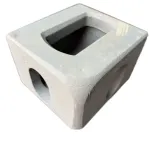
Every shipping container in the world — all 40 million of them — rests on eight critical components. Corner castings are the load-bearing blocks at each corner of an ISO shipping container, and they are the universal interface between the container and every crane, twistlock, spreader, and chassis on the planet. When you lift a container, stack it nine high on a ship, or lock it to a truck trailer, every ton of force flows through these fittings.