IICL – International Institute of Container Lessors
In the complex world of transportation and logistics, the term “IICL shipping containers” refers to a specific standard of shipping containers certified by the International Institute of Container Lessors (IICL). Understanding the significance of these containers is crucial for anyone involved in international trade, logistics, or the shipping industry. IICL establishes strict standards to ensure that these containers are durable, safe, and reliable for global transportation.
What is IICL?
The International Institute of Container Lessors (IICL) is a globally recognized organization that plays a crucial role in the management and maintenance of shipping containers. Founded as a trade association, IICL represents the interests of the maritime container leasing industry and chassis providers. Its primary function is to establish and maintain high standards for the condition and quality of shipping containers to make them suitable for international transportation. IICL conducts certification examinations, offers training programs, and issues technical documentation to support the industry.
What is IICL Certification?
IICL certification is a quality assurance process that guarantees a shipping container meets specific industry standards. This certification is a mark of quality and indicates that the container has undergone rigorous inspections and maintenance. Containers that pass IICL certification are considered fit for use, meaning they can safely and efficiently transport cargo worldwide. The certification process includes several steps, including detailed inspection and necessary repairs, followed by a certification process to confirm compliance with IICL standards.
Significance of IICL Certification
Quality Assurance
IICL certification ensures that containers used in transportation are of high quality. This assurance is crucial for shipping companies, lessors, and cargo owners who rely on containers to protect their goods during transportation. The certification process includes inspection of various container components, such as its structural integrity, doors, and floors, to meet required standards.
Safety
Safety is a priority in the shipping industry, and IICL certification plays a key role in maintaining it. Certified containers are less likely to experience structural failures, door malfunctions, or other issues that could lead to accidents or cargo damage. By maintaining high safety standards, IICL certification helps prevent accidents and ensures safe transportation of goods.
Operational Efficiency
Containers that meet IICL standards are less prone to delays caused by maintenance issues. This reliability leads to more efficient logistics operations, reduces downtime, and ensures that goods arrive at their destination on time. Certification also facilitates smoother customs processes, as certified containers are recognized as complying with international regulations.
Environmental Impact
IICL certification contributes to environmental sustainability by promoting container maintenance and reuse. By ensuring that containers are maintained at a high level, the certification process reduces waste in the form of decommissioned containers. This approach not only extends the lifespan of containers but also minimizes the ecological footprint of the shipping industry.
Types of Container Conditions
Understanding the various conditions and classes of shipping containers is necessary for selecting the appropriate type for your needs. Here are the main conditions:
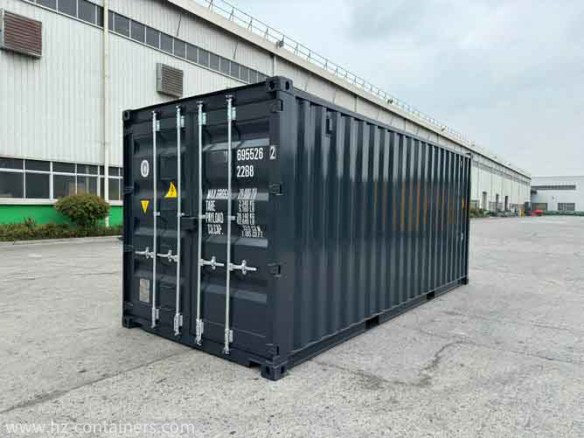
Brand New (One-Trip/Factory)
These containers have been used only once, typically to transport goods from the manufacturer to the buyer. They are in excellent condition with minimal wear.
IICL Class
IICL class containers are considered highly quality and in excellent condition. They are often used for international transportation due to their ability to withstand harsh conditions. These containers are inspected to meet strict IICL standards, ensuring their suitability for long-term use and transportation of sensitive or valuable cargo.
Cargo Worthy (CW)
Cargo Worthy containers are suitable for overseas transportation, meeting criteria for structural integrity and weather resistance. They have a valid CSC (Convention for Safe Containers) plate, meaning they have been inspected and deemed suitable for travel.
Wind and Watertight (WWT)
WWT containers are used primarily for storage rather than transportation, as they are not certified for international shipping. They are sealed against weather, making them suitable for commercial or residential storage applications.
AS IS
AS IS containers have suffered damage and are not suitable for transportation. They may have structural problems, rust, or other defects, making them ideal for recycling or non-shipping purposes.
How to Obtain IICL Certification
The process of obtaining IICL certification involves several steps, including:
- Inspection: Thorough examination of the container’s structural integrity, doors, floors, and other components.
- Repairs: Necessary repairs are performed to ensure the container meets IICL standards.
- Certification: Once the container meets the required standards, it is certified as compliant with IICL. Certification examinations, such as those for dry cargo and refrigerated container inspectors, are available in several languages and are conducted worldwide.
Who Benefits from IICL Certification?
IICL certification brings benefits to a wide range of stakeholders in the shipping and logistics industry:
- Shipping Companies: Gain confidence in the quality and reliability of the containers they use.
- Lessors: Can offer high-quality containers to clients, improving their service offerings.
- Cargo Owners: Ensure safe and efficient transportation of their goods.
- Logistics Providers: Experience smoother operations with fewer delays and maintenance issues.
Understanding the significance of IICL shipping containers is crucial for anyone involved in the shipping and logistics industry. IICL certification provides a guarantee of quality, safety, and efficiency, making it an invaluable aspect of international trade. By maintaining high standards, IICL contributes to the smooth, safe, and sustainable movement of goods worldwide. Whether you are an experienced industry professional or a newcomer, recognizing the value of IICL certification can improve your decision-making and operational efficiency.
 Czech Republic, Jihlava
  FREE SHIPPING