
Comparison of RAL Colors for Shipping Containers: Color Selection by Use
Welcome to a comprehensive glossary of terms dedicated to the topic of comparison of RAL colors for shipping containers and procedures for selecting the ideal color for each type of use. Container color is not just a matter of aesthetics – it is a crucial element affecting its lifespan, safety, logistics, and marketing impact. This expert guide provides technical documentation, practical examples, and recommendations based on current industry trends and applicable standards.
Key Terms and Principles
RAL Color System
Definition and Significance:
RAL is an internationally recognized numerical system for color standardization, originating from Germany (established 1925). It primarily serves to identify colors of industrial paints, powder coatings, and surface finishes – including shipping containers. Each shade has a unique four-digit code and precise pigmentation formula, which minimizes differences between manufacturers and facilitates maintenance and brand management. The most well-known is the RAL Classic set (216 basic shades), though over 2000 RAL colors currently exist.
Use in Container Transport:
- Ensures color uniformity for orders, maintenance, and branding.
- Facilitates selection of the correct shade during repairs or custom modifications.
- Eliminates confusion and errors in communication between manufacturers, customers, and carriers.
Practical Note:
Colors on monitors may differ from reality – for final decision-making, it is always advisable to use a physical RAL color sample.
Shipping Container
Characteristics:
A standardized transport unit made of Corten steel, designed for global intermodal transport (sea, rail, road). Typically sized 20 feet (6 m) or 40 feet (12 m), standard height (8’6″) or high-cube (9’6″). The surface is protected with multi-layer anti-corrosion coating.
Standards and Regulations:
- ISO 6346 – marking and identification system (BIC code, serial number)
- CSC plate – safety certification (required for international transport)
- Technical requirements for coatings per ISO 12944 (category C4/C5 for extreme environments)
Container Paint
Specifications:
Paints for containers must meet the highest requirements for resistance to salt spray, UV radiation, chemicals, and mechanical wear. Specialized systems are used:
- Epoxy primer – high anti-corrosion protection, strong adhesion to steel
- Polyurethane topcoat – color stability, UV resistance, surface hardness
- In some cases alkyd enamels (e.g., for static storage containers)
Typical dry film thickness: 80–120 microns (µm).
Significance of Shipping Container Colors
Container colors are not chosen randomly. They are part of an international visual language that simplifies logistics, increases safety, and represents the owner.
Main Functions of Colors:
- Quick identification of type, age, owner (brand)
- Temperature regulation (e.g., white for refrigerated containers)
- Enhanced safety (signal colors for hazardous cargo)
- Concealing wear (darker shades for rental fleets)
- Corrosion protection (quality pigments and binders = long-term protective barrier)
Table: Most Common RAL Colors and Their Uses
| RAL Code | Name | Typical Use / Owners | Note |
|---|---|---|---|
| RAL 5010 | Gentian Blue | Common blue, rental, Maersk | Easily recognizable, durable |
| RAL 5013 | Cobalt Blue | Commercial, warehouse, rental | Darker, elegant, less visible dirt |
| RAL 6005 | Moss Green | Storage, nature, farms | Blends with vegetation |
| RAL 6007 | Bottle Green | Warehouse, military, gardens | Very dark, conceals dirt |
| RAL 6028 | Pine Green | Natural integration | Special projects |
| RAL 7016 | Anthracite Grey | Modern architecture, offices | Especially desired for conversions |
| RAL 7035 | Light Grey | New containers, interior, warehouse | Most popular shade in Europe |
| RAL 7042 | Traffic Grey A | Industry, warehouse, commercial | Subtle neutral shade |
| RAL 9003 | Signal White | Refrigerated, healthcare | Reflects heat, soils faster |
| RAL 9010 | Pure White | Reefer, medical containers | Maximum heat reflection |
| RAL 9005 | Jet Black | Special purposes, branding | Luxury/professional effect |
| RAL 1015 | Light Ivory | Storage, less conspicuous | Does not soil like white |
| RAL 3000 | Flame Red | Signal, hazardous goods | Caution, high visibility |
| RAL 1023 | Traffic Yellow | Chemical warehouses, warning containers | Safety, chemical storage |
| RAL 8008 | Olive Brown | Leasing, concealing wear | Long lifespan without frequent maintenance |
| RAL 8012 | Red Brown | Older containers, leasing | Conceals rust and dirt |
Practical Use of Colors
Owner Identification and Age
- Leasing companies: Prefer dark shades (brown, chestnut, dark blue), which conceal scratches and contamination from frequent use.
- New containers: Often light grey (RAL 7035), for easy condition inspection.
- Branding: Global carriers (e.g., Maersk – light blue, Evergreen – green, Hapag-Lloyd – orange) use their own corporate shades for easy recognition worldwide.
- Refrigerated containers (reefer): Almost exclusively white or light grey (RAL 9003, RAL 9010, RAL 7035) due to solar radiation reflection.
Safety and Regulations
- Containers for hazardous substances: Clear signal colors (yellow, red, orange) – warning for personnel and emergency services.
- Chemical warehouses: Often RAL 1023 (traffic yellow) or RAL 2008 (red-orange), meeting increased visibility requirements.
Concealing and Maintenance
- Storage containers on private land: Green and brown shades to blend with surroundings and reduce appearance maintenance requirements.
RAL System in Practice
RAL System Structure
- First digit = color group (1xxx yellow, 3xxx red, 5xxx blue, 6xxx green, 7xxx grey, etc.).
- Each shade has precise pigment composition, which is publicly available.
- RAL color sample is available in paper and digital form (visual inspection on physical sample is always recommended).
Color Selection by Purpose
| Container Purpose | Recommended Colors (RAL) | Reason for Choice |
|---|---|---|
| Storage | 6005, 8012, 7035 | Concealing dirt, blending with surroundings |
| Commercial Use | 5010, 3020, brand colors | Branding, high visibility |
| Residential Conversions | 7016, 7035, 6007 | Modern appearance, aesthetics, architecture |
| Refrigerated Operation | 9003, 9010, 1015 | Minimal heat absorption, cleanliness |
| Hazardous Cargo | 1023, 3000, 2008 | Safety, quick identification |
Technical Aspects of Coating
Types of Coating Systems
- Three-layer systems (industrial standard):
- Blasting/sandblasting surface to Sa2.5 grade (per ISO 8501)
- Epoxy primer with high zinc content (anti-corrosion protection)
- Polyurethane topcoat in required RAL color (UV resistance, color stability)
- Alkyd enamels – suitable for non-demanding uses, storage containers indoors, etc.
Professional Container Painting Procedure
- Surface Preparation: Complete cleaning, removal of old layers, sandblasting (increased adhesion).
- Primer Application: Immediately after surface preparation – prevents new rust formation.
- Topcoat Application: After primer drying – required RAL shade, often in two coats.
- Dry Film Thickness Check: Minimum 80–120 μm, measured with micrometer.
Benefits of Quality Coating System
- Extension of container lifespan by 10+ years (depending on environment).
- Protection against corrosion and UV radiation.
- Reduced maintenance costs.
- Higher residual value and aesthetic quality for shipping container homes.
- Possibility of “rebranding” or color integration into environment.
Example: Container Coating Life Cycle
| Phase | Expected Lifespan | Recommended Color | Typical Problem if Maintenance Neglected |
|---|---|---|---|
| New Container | 7–12 years | RAL 7035, 5010 | Cracking, peeling, corrosion |
| Refurbished | 4–8 years | By choice | Localized corrosion, color fading |
| Old Container | 2–5 years | Dark shades | Extensive corrosion maps, strength loss |
Related Terms
- Corten Steel: Special alloy containing copper, nickel, and chromium. Creates a protective patina that slows corrosion progression.
- ISO 6346: Standard for container marking and tracking (BIC code, type, check digit).
- CSC Plate: Safety certification plate (required for sea transport).
- General Purpose Container: Most common container type for dry cargo, fully enclosed, often in RAL 5010, 7035, 6007 colors.
- Reefer Container: Refrigerated container, almost exclusively in white or light color due to heat reflection.
FAQ – Frequently Asked Questions
What is the most common shipping container color?
- In Europe and North America, light grey (RAL 7035), blue (RAL 5010), and brown (RAL 8012) dominate. White and beige (RAL 9003, RAL 1015) are standard for refrigerated containers and warehouses.
Can I order a container in any color?
- Yes, most manufacturers and sellers allow color selection from the RAL sample, including custom shades for corporate branding or environmental integration.
What type of paint is most suitable for repainting a container?
- For long-term protection, we recommend epoxy primer and polyurethane topcoat. For storage containers on private land, quality alkyd enamels can also be used.
How often is it necessary to repaint a container?
- It depends on the environment. In highly corrosive areas (ports, industrial zones) every 5–8 years, inland or with static storage up to 10 years.
Do colors affect the temperature inside the container?
- Yes, light colors (especially white) significantly reduce overheating in summer months. Dark shades absorb heat – unsuitable for storing temperature-sensitive goods.
 Czech Republic, Slaný
  FREE SHIPPING

Other container news...
Can You Modify a 40ft High Cube Container?
The short answer is yes — you absolutely can modify a 40ft high cube container, and it is one of the most popular container types for modification projects worldwide. But the real question is not whether you can modify one; it is how to do it correctly, safely, legally, and within budget. This guide answers every dimension of that question, drawing on engineering principles, real-world pricing data, and the collective experience of thousands of modified container projects.
Key Takeaway: A 40ft high cube container offers 320 square feet of floor space with an extra foot of ceiling height compared to a standard container — making it the ideal canvas for offices, workshops, homes, retail spaces, and industrial applications. The extra height is particularly valuable when you add insulation and still want comfortable headroom.

Cargo worthy container
If you have ever shopped for a used shipping container, you have almost certainly encountered the term cargo worthy — often abbreviated as CW or CWO (Cargo Worthy Only). It is one of the most important classifications in the container industry, yet it is also one of the most misunderstood. A cargo worthy container is not a container that looks new. It is not necessarily a container that has a valid CSC plate. And it is definitely not the same as a wind and watertight container. This guide explains what cargo worthy really means — from its technical definition and historical origins to the precise structural criteria, inspection process, cost implications, and common misconceptions that trip up even experienced buyers.

Shipping container home
A shipping container home is a residential dwelling constructed from one or more steel intermodal containers — the same standardized metal boxes that transport goods across oceans, railways, and highways. These containers, engineered from corrosion-resistant Corten steel and designed to withstand brutal maritime conditions, are repurposed into fully habitable living spaces through insulation, structural modifications, and the installation of all standard residential utilities. A shipping container home can range from a minimalist 160-square-foot studio built from a single 20-foot container to a sprawling multi-level compound combining dozens of 40-foot high-cube units.
Core Definition: A shipping container home is a code-compliant, habitable structure built from one or more steel intermodal shipping containers that have been insulated, structurally reinforced where modified, and fitted with windows, doors, plumbing, electrical systems, and interior finishes to function as a permanent or semi-permanent residence.
Corner casting steel vs aluminum
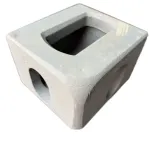
Every shipping container in the world — all 40 million of them — rests on eight critical components. Corner castings are the load-bearing blocks at each corner of an ISO shipping container, and they are the universal interface between the container and every crane, twistlock, spreader, and chassis on the planet. When you lift a container, stack it nine high on a ship, or lock it to a truck trailer, every ton of force flows through these fittings.