
Advanced Biofuels and Synthetic Fuels in Maritime Transport
Maritime transport is the backbone of global trade – transporting more than 80% of all goods and is a key pillar of the global economy. At the same time, however, it is one of the largest producers of greenhouse gas (GHG) emissions, accounting for approximately 3% of global emissions. The pressure for decarbonization and transition to low-carbon and renewable fuel technologies is therefore extreme. The International Maritime Organization (IMO) and the European Union are introducing increasingly strict regulations, such as MARPOL Annex VI, RED II/III and FuelEU Maritime, which motivate and force the shipping industry to seek alternatives to traditional fossil fuels.
One of the main trends is the transition to advanced biofuels and synthetic fuels, which promise significant reductions in carbon footprint not only during combustion itself, but throughout the entire life cycle. In the following glossary you will find detailed explanations of all key concepts, technologies and trends that will determine the future of fuels in international maritime transport in the coming years.
A
Life Cycle Analysis (Well-to-Wake Analysis)
Definition and significance:
Life cycle analysis, known in maritime transport as “Well-to-Wake” (WTW), is a comprehensive method for assessing the total environmental impact of fuel. It includes all phases – from raw material extraction (Well), through its processing, fuel production and transport, to final combustion in a ship’s engine (Wake).
Methodologies and standards:
- Balance method and EMEP/EEA – used for calculating emissions based on fuel consumption, valid in the EU.
- GLEC Framework, EcoTransIT, Carbon Care – advanced frameworks for reporting carbon footprint in logistics and transport (using harmonized emission factors and enabling comparison of different types of transport).
- Tank-to-Wake (TTW) – evaluates only emissions generated during combustion in the engine. It is a subset of WTW.
- Well-to-Tank (WTT) – includes emissions generated during extraction, production and distribution of fuel to the tank.
Why is this important:
- Enables fair comparison of different types of fuels from the perspective of actual GHG emission savings.
- Is the basis for legislation (for example, EU RED II/III), which requires reporting of emission savings not only during combustion, but throughout the entire fuel cycle.
- For example, biofuel may have similar CO2 emissions during combustion as fossil fuel, but within the cycle it can be “carbon neutral” or even negative if biomass absorbs CO2 from the atmosphere during growth.
Practical examples:
- Bio-LNG and bio-methanol have significantly lower total carbon footprint compared to fossil equivalents.
- Synthetic fuels produced from CO2 and green hydrogen can be almost 100% carbon neutral provided that the input energy comes from renewable sources.
B
Bio-LNG (Liquefied Biomethane)
Definition:
Bio-LNG (liquefied biomethane, LBM) is a renewable alternative to liquefied natural gas (LNG). It is produced from biomass – for example, from organic waste, sludge, agricultural residues or manure – by anaerobic digestion to biogas and its subsequent purification to biomethane, which is then liquefied to approximately -162 °C.
Technical parameters:
- Chemical composition is almost identical to fossil LNG (approximately 85–95% methane).
- Can be used in engines and infrastructure designed for LNG without the need for modifications (drop-in fuel).
Advantages:
- Reduction of CO2 emissions by up to 80% compared to HFO (source: Wärtsilä).
- Significantly lower sulfur content and particulate matter.
- Immediate compatibility with current LNG engines and bunkering infrastructure.
Disadvantages and challenges:
- Limited availability of raw materials (organic waste, biomass).
- Bio-LNG production capacity currently covers only approximately 3% of maritime transport energy demand (forecast to 2030), up to 12% by 2050 (Wärtsilä).
- A disadvantage is also the so-called “methane slip” – the escape of unburned methane during combustion, which is a potent GHG. Modern engines (e.g., Wärtsilä NextDF) significantly reduce this problem (by more than 50%).
Practical examples:
- Royal Caribbean conducted a transatlantic voyage on bio-LNG in 2024.
- Bio-LNG bunkering stations are being established in major European ports (Rotterdam, Hamburg).
Bio-methanol
Definition:
Bio-methanol is a renewable variant of methanol produced from biomass (wood chips, waste, sludge, algae). Production takes place either through direct conversion of biogas, or through gasification of biomass to synthesis gas (CO, H2), which is catalytically converted to methanol.
Advantages:
- Liquid at normal temperature – easy handling, storage and bunkering.
- Very low sulfur emissions and particulate matter during combustion.
- Possibility of production from various types of waste and unusable residues.
Disadvantages:
- Need for engine modifications (most often dual-fuel mode).
- Requires specialized bunkering systems in ports.
- Price competitiveness currently limited, but pilot projects (Maersk) show rapid growth in interest.
Biomass
Definition:
Biomass is organic matter (of plant or animal origin), used for the production of biofuels. In the context of advanced biofuels, emphasis is placed on the use of:
- Agricultural and forestry residues (straw, sawdust)
- Waste oils (UCO), animal fats
- Energy crops on marginal land
- Algae as a third generation of biomass with high oil content
Sustainability criteria:
- RED II/III requires that biomass for advanced biofuels does not compete with food and feed production, and does not come from areas with high biodiversity or carbon stocks.
- Certification requirement (e.g., ISCC).
Significance:
- Ensures real environmental benefits of biofuels.
- Sustainable sourcing is a fundamental prerequisite for further development of biofuel shipping.
D
Drop-in Fuels
Definition:
Drop-in fuels are synthetic or biofuels that have almost identical chemical composition to conventional fossil diesel, HFO or jet fuel. They can be used in existing engines and distribution systems without the need for modifications.
Examples:
- HVO (hydrogenated vegetable oil)
- Synthetic diesel, bio-LNG, bio-methanol (in some applications)
Advantages:
- Immediate emission reduction without investment in new technology.
- Possibility of mixing with fossil fuels in any ratio.
- Eliminates the risk of loss of engine manufacturer warranty.
Disadvantages:
- Limited availability of raw materials (e.g., UCO, animal fats).
- Need for certification of origin.
E
Greenhouse Gas Emissions (GHG Emissions)
What they include:
- CO2 (carbon dioxide) – main product of combustion of carbon-containing fuels
- CH4 (methane) – e.g., “methane slip” in LNG and Bio-LNG
- N2O (nitrous oxide)
Regulations:
- IMO: Goal of net-zero emissions by 2050
- EU: Mandatory reporting and measurement of emissions (EU ETS, MRV Shipping)
Significance:
- Emission reduction is the main driver of all innovations in maritime transport.
- Measurement is carried out according to WTW, not just TTW.
H
HVO (Hydrotreated Vegetable Oil) / Renewable Diesel
Definition:
HVO is a premium drop-in biofuel produced by hydrogenation of vegetable oils, used cooking oils (UCO) or animal fats. The result is paraffinic diesel with almost the same chemical structure as fossil fuel.
Technical parameters:
- Cetane number higher than regular diesel (better combustibility)
- Without aromatic hydrocarbons and sulfur
- Tank shelf life up to 10 years
- Mixing with fossil diesel in any ratio
Advantages in maritime transport:
- Fully compatible with existing engines (including MTU, Caterpillar, Volvo Penta, etc.)
- Reduction of CO2 emissions by up to 90%, sulfur practically to zero
- No engine modifications, minimal adjustments in the engine room (for example, second calibration of the fuel gauge due to different density)
- Fuel does not require recirculation or heating, is not hygroscopic (does not absorb water)
Disadvantages:
- Higher price and limited availability (dependent on the UCO and fat market)
- Need to verify certification of origin due to risk of palm oil use
- Greater expansion expected after the end of the decade (greater commitment from producers and infrastructure development)
Practical experience:
- Significant yacht and shipping companies (e.g., Azimut-Benetti, Burgess) already use HVO in practice.
- Engine manufacturers approve HVO for their ranges (MTU, Volvo, MAN, etc.)
Heavy Fuel Oil (HFO) / Heavy Fuel Oil
Characteristics:
- Residue after oil distillation, very viscous, sulfur content up to 3.5%
- Dominant fuel for maritime transport until 2020
Disadvantages:
- Main source of SOx, NOx, particulate matter (PM) emissions
- Now significantly limited by IMO 2020 (max. 0.5% sulfur globally, 0.1% in ECA zones)
Alternatives:
- Installation of scrubbers (remove SOx)
- Transition to VLSFO, MGO, or renewable fuels (HVO, LNG, Bio-LNG)
I
Fuel Infrastructure
What it includes:
- Port terminals, storage tanks, pipelines, bunkering vessels, safety systems
- Systems for handling liquid (HVO, methanol) and cryogenic fuels (LNG, Bio-LNG)
Challenges:
- Existing infrastructure optimized for oil products
- LNG and methanol require special bunkering systems, safety measures and staff training
- Infrastructure development is a key prerequisite for faster expansion of new fuels
Trends:
- Rapid growth of LNG bunkering stations in Europe and Asia
- First pilot projects for methanol and ammonia bunkering
International Maritime Organization (IMO)
What is IMO:
- Specialized UN agency responsible for safety, health protection and ecology in maritime transport
- Sets global standards (e.g., MARPOL, SEEMP, CII, EEXI, GHG Strategy)
Significance for fuels:
- IMO 2020: Limitation of sulfur content in fuels
- IMO GHG Strategy: Goal to achieve net-zero emissions by 2050
- IMO decisions have global impact on fuel market, investments in technologies and infrastructure
P
Advanced Biofuels
Definition:
- Second and third generation biofuels produced from raw materials that do not compete with food/feed (e.g., waste, residues, algae)
- Production typically from lignocellulosic biomass, UCO, animal fats, MSW (municipal waste), algae
Advantages:
- Reduction of GHG emissions by up to 80% and more (depending on raw material and technology)
- Full compliance with RED II/III, possibility of obtaining EU grants and support
- Possibility of using waste and residual products
Disadvantages:
- Higher production costs than conventional biofuels (e.g., FAME)
- More complex logistics and ensuring stable supply of raw materials
Practical use:
- HVO, bio-methanol, bio-LNG, biokerosene for aviation and maritime transport
R
Renewable Energy Directive (RED)
What is RED:
- European Renewable Energy Directive (currently RED III, effective from 2024)
- Sets binding targets for the share of renewable energy in transport (by 2030 at least 29% in the transport sector)
- Special share for advanced biofuels and synthetic fuels
Criteria:
- Sustainability (must not compete with food, must come from certified sources)
- Minimum emission savings (usually 70–80% compared to fossil equivalent)
- Reporting and certification (ISCC, REDcert)
Significance:
- RED stimulates the market for advanced biofuels and synthetic fuels throughout the EU
- Also influences the strategy of ship manufacturers, operators and investors in infrastructure

 Czech Republic, Jablonec nad Nisou
  FREE SHIPPING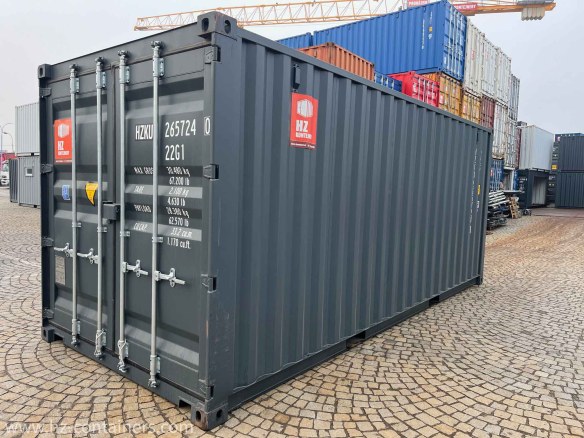


Other container news...

New shipping containers
If you are currently considering purchasing a new shipping container, you are not alone. While just twenty years ago containers were used almost exclusively for maritime transport, today they have found their way into construction, storage, business, and even housing. This growing popularity brings with it a host of questions: Which type should you choose? How much does it cost? How do you recognize quality? How can you avoid falling victim to scammers?

6m shipping container
Are you thinking about buying a 6-meter shipping container but aren’t sure what to look for? You are not alone—this 20-foot container is the best-selling size on the Czech market, and the differences between various types, conditions, and prices can be significant. In this guide, you will find everything you need to know: from exact dimensions and a comparison of categories (such as “one-way,” refurbished, and “Cargo Worthy”) to current prices and shipping advice.
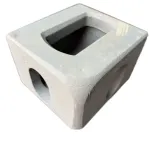
Corner casting steel vs aluminum
Every shipping container in the world — all 40 million of them — rests on eight critical components. Corner castings are the load-bearing blocks at each corner of an ISO shipping container, and they are the universal interface between the container and every crane, twistlock, spreader, and chassis on the planet. When you lift a container, stack it nine high on a ship, or lock it to a truck trailer, every ton of force flows through these fittings.

Construction cabin – selection, tips, dimensions and prices
Every construction project – whether a family house, a development project or a reconstruction – starts with the infrastructure. No construction manager, craftsman or investor who needs an on-site office, a changing room for workers or a safe storage for tools can do without a quality construction cell. But navigating the offer is not easy: residential containers, sanitary cells, storage modules, rental, purchase, refurbished pieces… This guide will give you answers to all the essential questions in one place.