
What are the types of tank containers?
Tank container, also known as ISO tank container or tanktainer, is a specialized intermodal container designed for safe and efficient transport of liquid, gaseous, and powdered substances in large volumes. These containers comply with International Organization for Standardization (ISO) standards, which ensures compatibility with various types of transport, such as ships, trucks, and trains. Due to their robust construction, versatility, and adherence to strict safety regulations, they are indispensable in industries such as the chemical industry, food industry, oil and gas industry, and pharmaceuticals.
This glossary article is devoted to the types of tank containers, their construction, use, benefits, and compliance with international standards.
What is a tank container?

Definition
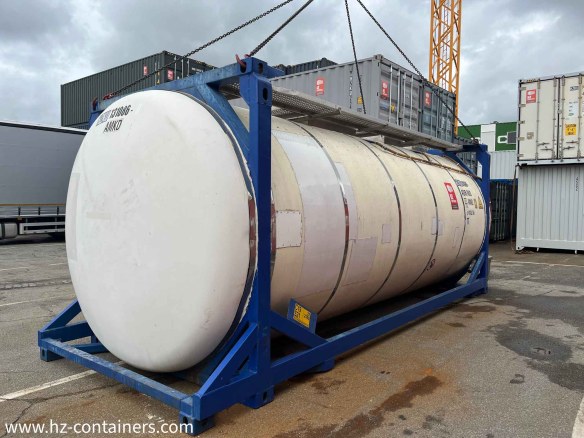
Tank container is a tank with a steel frame that is enclosed in an intermodal container. It is specially designed for efficient transport of hazardous and non-hazardous materials. These containers are known for their durability and reusability, while complying with strict international safety protocols to ensure safe transport of sensitive cargo.
Purpose
The main purpose of a tank container is to enable safe and efficient transport of liquid, gaseous, and powdered substances in large volumes across different regions and types of transport. These containers minimize the risk of leakage, contamination, or loss, making them ideal for sensitive and hazardous cargo.
Key features
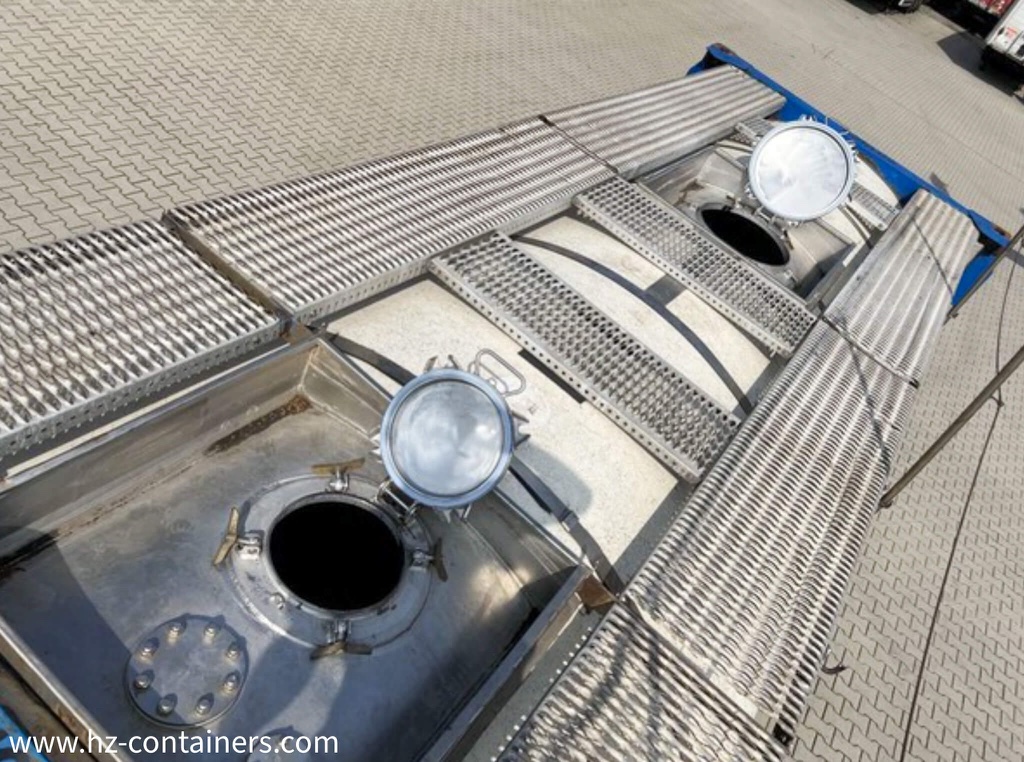
- Material: Tanks are predominantly made of stainless or carbon steel. Protective layers, such as polyurethane or aluminum lining, further increase safety and usability.
- Capacity: Standard ISO tanks have a capacity of 21,000 to 26,000 liters, while larger tanks, such as 40-foot variants, can hold up to 66,000 liters.
- Frame dimensions: The most common lengths are 20 feet and 40 feet, which ensures compatibility with intermodal transport systems.
- Safety equipment: Features such as pressure relief valves, emergency shut-off valves, ventilation systems, and grounding mechanisms ensure accident prevention during transport.
Types of tank containers
1. Food tanks
Purpose: Designed for transport of food and beverages, such as edible oils, fruit juices, dairy products, and non-alcoholic beverages.
Features:
- Made of food-grade stainless steel to maintain hygiene and prevent contamination.
- Easy-to-clean interior allows for repeated use.
2. Chemical tanks
Purpose: Ideal for transport of hazardous and non-hazardous chemicals, such as acids, solvents, and fertilizers.
Features:
- Compliance with international regulations, such as International Maritime Dangerous Goods Code (IMDG) and ADR standards.
- Variants include rubber-lined tanks for corrosive chemicals.
3. Gas tanks
Purpose: Designed for transport of liquefied gases, such as LPG (liquefied petroleum gas), ammonia, and cryogenic gases.
Features:
- Built to withstand high pressure and ensure safe storage of gases.
- Include T50 tanks for LPG and T75 tanks for cryogenic liquids.
4. Refrigerated tanks (Reefer Tanks)
Purpose: Used for transport of perishable fluids that require temperature regulation, such as pharmaceutical products and specific chemicals.
Features:
- Equipped with integrated cooling units to maintain consistent temperature.
5. Silo tanks
Purpose: Intended for transport of bulk powders and granules, such as cement, lime, and kaolin.
Features:
- Pneumatic discharge systems for efficient unloading.
6. SWAP Body tanks
Purpose: Used for transport of light and bulky cargo within Europe.
Features:
- Larger than standard ISO frames, typically 23 to 25 feet long.
- Suitable for long-term storage or large-volume transport.
7. Rubber-lined tanks
Purpose: Designed for acid-based chemicals, such as hydrochloric acid and zinc chloride.
Features:
- Rubber lining of the interior increases resistance to corrosion.
8. T-series tanks
ISO tank containers are categorized according to T-series for specific use:
- T1: For wine and light liquids.
- T4: For hazardous edible oils.
- T11: For hazardous chemicals.
- T14: For hazardous chemicals.
- T50: For liquefied gases, such as propane.
- T75: For cryogenic liquids, such as liquid nitrogen.
Use
Tank containers have wide application across various industries:
- Chemical industry: Safe transport of hazardous and corrosive chemicals.
- Food industry: Transport of food liquids while maintaining hygiene.
- Oil and gas industry: Facilitates transport of oil products.
- Pharmaceuticals: Ensures transport of sensitive products with temperature control.
- Agriculture: Transport of fertilizers and pesticides in bulk.
- Mining: Used for water storage or hydraulic fracturing.
Benefits of tank containers
1. Safety
- ISO certification guarantees strict safety standards.
- Leak prevention mechanisms minimize environmental risks.
2. Efficiency
- Compatibility with intermodal transport enables seamless transport by road, sea, and rail.
- Minimal packaging reduces costs.
3. Durability
- Designed for long-term use with a lifespan of 20-35 years.
- Resistant to pressure, temperature changes, and corrosion.
4. Cost-effectiveness
- Repeated use reduces overall transport costs.
- Minimal risk of cargo loss or contamination.
Selecting the right tank
Key factors:
- Type of cargo: Select the type of container based on the material being transported (e.g., food tanks for beverages, T50 for LPG).
- Capacity and weight limits: Ensure that the volume and carrying capacity meet your requirements.
- Regulatory compliance: Verify compliance with international standards, such as IMO, IMDG, ISO, and ADR.
- Special requirements: Select containers with features, such as cooling or rubber lining, for specific needs.
ISO certification
ISO certification underscores quality and safety. ISO containers are subject to strict testing for:
- Structural integrity.
- Pressure resistance.
- Leak prevention.
Certification ensures compatibility with intermodal systems and compliance with global safety standards.
Dimensions and capacities
Common specifications of ISO tank containers:
| Capacity | Gross weight | Tare Weight | Useful weight | Max. temperature | Working pressure |
|---|---|---|---|---|---|
| 21,000 L | 36,000 kg | 3,650 kg | 32,350 kg | 120°C | 4.00 BAR |
| 24,000 L | 36,000 kg | 3,900 kg | 32,100 kg | 120°C | 4.00 BAR |
| 26,000 L | 36,000 kg | 4,060 kg | 31,940 kg | 130°C | 4.00 BAR |

 Czech Republic, Třebíč
  FREE SHIPPING

Other container news...
Buy shipping containers
Buying a shipping container means purchasing a standardized steel intermodal box — typically 10, 20, or 40 feet long — for use as ground-level storage, job site equipment housing, cargo transport, or architectural conversion. The right container can last decades. The wrong one can leak, rust through, or fail inspection the day it arrives. This guide covers every step of the process, from understanding what you’re actually buying to inspecting it in person and preparing your site for delivery.

20 Foot shipping container cost
If you are researching the cost of a 20 foot shipping container, you have likely already encountered wildly different prices — from $999 listings online to quotes exceeding $5,500. That range is not a sign of inconsistency. It reflects real differences in container condition, location, delivery logistics, and the seller you are dealing with.
Side Opening container
A side opening container is an ISO-compliant intermodal shipping container engineered with full-length bi-fold doors along one of its long side walls, in addition to the standard cargo doors at one end. Unlike conventional containers that restrict access to a single set of rear doors, a side opening container — also widely called an open side container, open-sided shipping container, or side door container — provides unobstructed lateral access across the entire 20-foot or 40-foot length of the unit. This design transforms the container from a narrow tunnel into a wide-open space that forklifts can enter from the side, multiple workers can load simultaneously, and oversized cargo that would never fit through standard end doors can be placed without struggle.
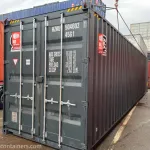
Can You Modify a 40ft High Cube Container?
The short answer is yes — you absolutely can modify a 40ft high cube container, and it is one of the most popular container types for modification projects worldwide. But the real question is not whether you can modify one; it is how to do it correctly, safely, legally, and within budget. This guide answers every dimension of that question, drawing on engineering principles, real-world pricing data, and the collective experience of thousands of modified container projects.
Key Takeaway: A 40ft high cube container offers 320 square feet of floor space with an extra foot of ceiling height compared to a standard container — making it the ideal canvas for offices, workshops, homes, retail spaces, and industrial applications. The extra height is particularly valuable when you add insulation and still want comfortable headroom.