
Transportation of shipping containers by rail
Shipping containers by rail is one of the most efficient and sustainable methods of transporting cargo. This mode of transport combines the advantages of high cost capacity, high safety and environmental friendliness. In the following article we will look at the main advantages and specifics of container transport by rail, its procedures and the key factors that influence its efficiency.
Advantages of container transport by rail
Efficiency and time saving
Container rail transport is fast and efficient. The use of express container trains can reduce transport times, which is particularly advantageous for long journeys such as from China to Europe. Containers allow for easy handling during loading and unloading, which further speeds up the whole process.
Environmental friendliness
Compared to other modes of transport, such as trucks or planes, rail transport has a smaller carbon footprint. Trains are energy efficient and produce fewer CO2 emissions per tonne of freight transported.
High security
Rail transport is known for its high level of safety. The risk of damage to the cargo is minimal because the containers are firmly secured and protected from external influences. This is particularly important when transporting sensitive or hazardous materials.
Cost-effectiveness
The use of containers allows carriers and shippers to reduce the costs associated with transportation. The standardisation of containers and their compatibility with different means of transport leads to savings in handling and storage costs.
Specifics of rail container transport
Intermodal transport
Rail transport often forms part of an intermodal transport chain where containers move between different modes of transport – shipping, rail and road. This flexibility allows efficient interconnection of different transport nodes, simplifying logistics and reducing time delays.
Route planning and optimisation
Careful planning of routes and logistics schemes is crucial when transporting containers by rail. Specialists ensure that cargo arrives on time and safely, taking into account the specifics of the goods being transported. The right route can make the difference in transport speed and cost.
Cooperation with partners
Successful container transport by rail depends on close cooperation with trusted partners. This cooperation enables a flexible pricing policy and guarantees a high quality of service.
Rail container transport procedure
Cargo preparation
The first step is to prepare the load properly. This includes packing, securing and marking the containers so they are ready for shipment. Workers also ensure that the cargo meets all regulations and standards for safe transport.
Loading and unloading
Containers are loaded onto rail cars using special equipment such as cranes or forklifts. The loading and unloading process is fast and efficient, minimising the time spent in terminals.
Transport and monitoring
During the transport itself, the containers are constantly monitored to ensure their safety and timely arrival. Modern technology allows real-time tracking of the location and status of the cargo, increasing transparency and control over the transport.
Delivery and delivery
On arrival at the destination terminal, the containers are unloaded and prepared for onward transport or delivery to the consignee. The standardisation of the containers makes the transition between the different means of transport smooth and seamless.
Other container news...
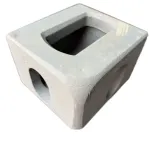
Corner casting steel vs aluminum
Every shipping container in the world — all 40 million of them — rests on eight critical components. Corner castings are the load-bearing blocks at each corner of an ISO shipping container, and they are the universal interface between the container and every crane, twistlock, spreader, and chassis on the planet. When you lift a container, stack it nine high on a ship, or lock it to a truck trailer, every ton of force flows through these fittings.

Construction cabin – selection, tips, dimensions and prices
Every construction project – whether a family house, a development project or a reconstruction – starts with the infrastructure. No construction manager, craftsman or investor who needs an on-site office, a changing room for workers or a safe storage for tools can do without a quality construction cell. But navigating the offer is not easy: residential containers, sanitary cells, storage modules, rental, purchase, refurbished pieces… This guide will give you answers to all the essential questions in one place.
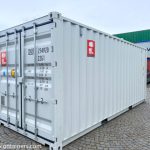
Storage container
A storage container is a lockable steel box designed for the safe and dry storage of materials, tools, goods or equipment. Originally created as a shipping container for maritime transport, its durability and versatility have found their way onto construction sites, corporate premises and private land.
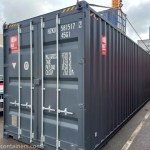
Shipping container 12m (40 ft)
A 12m shipping container is an investment that, if properly selected and cared for, will pay off in decades of trouble-free use. Whether you plan to use it as a warehouse, workshop, garage or the basis for a residential module — the key is careful selection of the condition, a thorough inspection before purchase and high-quality preparation of the base for placement. Take the time to compare offers, check the seller’s references and do not hesitate to personally inspect the container before buying. A properly selected 40-foot container will serve you reliably for many years.