
Tariff cuts, electrification and EU environmental rules
1. Asia-US rate cuts – end of the crisis or calm before the storm?
Container freight rates on the Asia-US route have recently seen a decline, which could signal a temporary easing of tensions in this sector. According to consultancy Drewry, global average rates have fallen by 3% over the past week and are already down 18% since September. However, expert voices warn that this decline could be short-lived. Shippers, i.e. shipping companies, are speeding up shipments to take advantage of the current 30-day break in the introduction of tariffs, which may cause rates to rise in the near future. The impact of these factors may become fully apparent after the Chinese New Year celebrations, when the market traditionally recovers.
2. Electrification of port transport – Brisbane’s first electric tractor trailer
The Port of Brisbane has welcomed its first all-electric tractor unit capable of carrying containers weighing up to 88 tonnes. The move by DP World marks the beginning of the decarbonisation of operations at Australian ports. The new vehicle is expected to replace the consumption of more than 120,000 litres of diesel per year. The electrification is part of a broader drive towards sustainable logistics, with companies looking to address their environmental impact not only through big changes but also incremental steps that, in aggregate, contribute to climate goals.
3. The EU and new emissions regulations – a challenge for maritime transport
The European Union plans to introduce strict new rules on emissions and fuel consumption in maritime transport from 2025. The new Emissions Trading Scheme (EU ETS) will increase the tax to cover 70% of carriers’ emissions, a 30% increase on this year. In addition, FuelEU Maritime regulation will set limits on the average annual greenhouse gas intensity of vessels in operation. These changes have a direct impact on freight rates and are likely to increase the overall cost of transport, which will be reflected in the prices of goods transported to and from European ports.
4. Port of Portland Modernization – Saving Terminal 6
The Port of Portland announced an agreement with Harbor Industrial to secure the future of Terminal 6, which has been threatened by financial losses. The agreement includes $5 million in state support and an additional $20 million in capital investment. The move could double the terminal’s shipping volume by 2032, providing a significant boost to the regional economy and shipping in general.
5. Green mobility: the future is electric
The introduction of electric tractor-trailers, such as the one in Brisbane, shows the direction that transport will take in the coming years. Electric vehicles not only reduce operating costs but also have a minimal impact on the environment. Collaboration between innovative technology companies and regulators is key to the success of these projects, as evidenced by the seamless integration of the electric tractor trailer in Brisbane.
6. Impact on the chemical industry and logistics
Container transport plays a key role in the transport of polymers such as polyethylene and polypropylene, and often includes the transport of chemicals in isotanks. Rate fluctuations have a direct impact on the logistics of the chemical industry. Despite the relative stability of rates in tanker transport, changes in container transport are expected to affect this sector.
7. Geopolitical influences: panama and the Chinese initiative
Panama recently announced that it will not extend its cooperation with China’s Belt and Road Initiative. This move could affect global shipping routes and costs, especially if changes are made to the management of access to the Panama Canal. Such changes could have far-reaching consequences for the entire maritime industry.
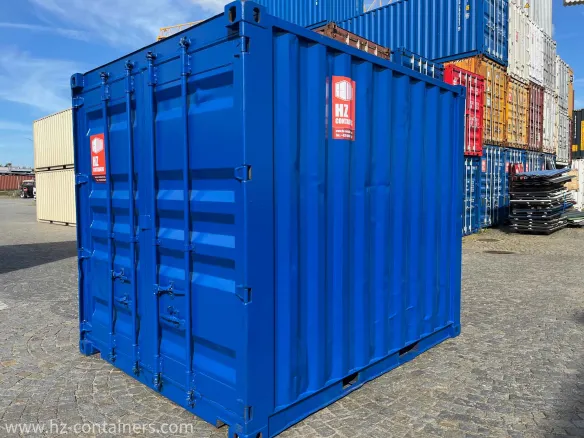
 Czech Republic, Ostrava
 FREE SHIPPING
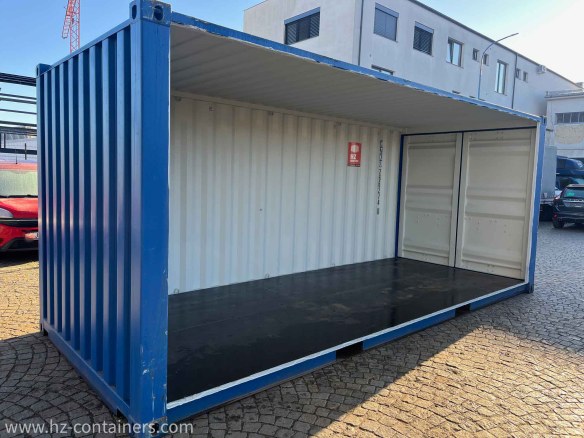
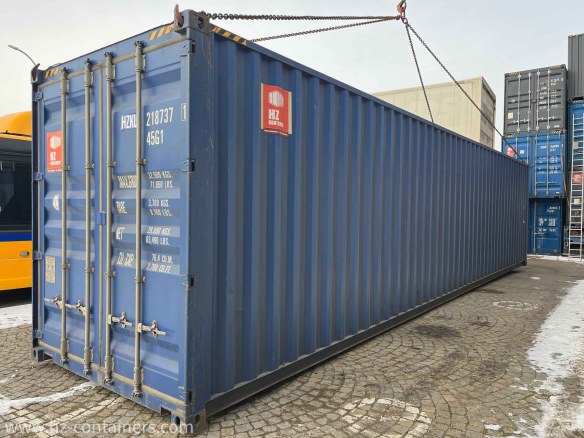

Other container news...

Shipping container types
Roughly 80% of everything you own traveled to you inside a steel box. Shipping containers—also called cargo containers, ISO containers, or “conex” boxes—are the backbone of global trade, carrying about 90% of the world’s non-bulk cargo across oceans, rails, and highways. Yet a “shipping container” is not one single object. It is a family of specialized steel boxes, each engineered for a specific kind of cargo: some vent, some freeze, some open from the top, and some have no walls at all.

40 foot container storage uses
The 40 foot container has moved far beyond its original job of hauling cargo across the ocean. Today, the phrase “40 foot container storage uses” describes an enormous and still-growing field: everything from an extra garage behind a house to a full retail storefront, a mobile office, an indoor farm, or a temporary shelter. Because the 40 foot container is the most common size in global shipping, it is also the most abundant, the most affordable, and the most widely converted for storage and building purposes.

How tall is a 20-Foot shipping container?
A 20-foot shipping container stands 8 feet 6 inches (8′ 6″) tall on the outside, or 2.59 meters. Inside, the usable height is slightly less — roughly 7 feet 9–5/8 inches (2.39 m) — because the floor, roof panels, and corner castings consume several inches of the total height.
That is the short answer. But “how tall” hides important nuance: the number changes depending on whether you are measuring a standard unit or a high cube unit, whether you are measuring the exterior or the interior, and whether you actually need to fit something through the door opening, which is the shortest vertical dimension on the entire box.

Shipping container wheel movement kits
A shipping container wheel movement kit is a bolt-on (or twist-lock) hardware system that lets a single person attach wheels to the corner castings of a 20 ft or 40 ft shipping container and reposition it — often without a crane, forklift, or flatbed truck. Instead of hiring a heavy-haul trucker every time you want to nudge a container a few feet on your property, the right wheel kit turns a 4,000–10,000 lb steel box into something a pickup truck, skid steer, or a couple of strong backs with a come-along can move.