
Storing grains in a shipping container
Grain storage is a key aspect of farming that requires careful planning and the right equipment. Shipping containers have become a popular solution for grain storage due to their robustness, safety and flexibility. This article looks at the benefits of using shipping containers for grain storage and provides tips on how to optimise the process.
Advantages of shipping containers for grain storage
Shipping containers offer several advantages that make them ideal for grain storage:
- Durability and safety: shipping containers are made of durable steel material that protects stored grain from external influences such as pests, hail and vandalism. Their robust construction ensures long life and protection from adverse weather conditions.
- Flexibility and mobility: containers can be easily moved from one location to another, giving farmers flexibility in storing and transporting grain. This feature is especially appreciated by farmers who need to move their stocks depending on the season or market conditions.
- Moisture protection: moisture is one of the biggest enemies of stored cereals. Shipping containers can be equipped with dehumidifiers to reduce humidity inside the container and prevent condensation. This prevents the formation of mould and rot that could damage cereals such as wheat, barley etc.
How to optimise grain storage in a shipping container
In order to store grain in a shipping container as efficiently as possible, a few basic principles must be observed:
- Moisture control: as already mentioned, moisture is a critical factor in grain storage. The use of dehumidifiers in containers is essential to maintain optimum humidity levels. It is also important to regularly check the condition of the cereals and ventilate the container if necessary.
- Proper container filling: when filling a container with grain, it is important to distribute the load evenly and minimize empty spaces. Even distribution ensures stability and reduces the risk of damage to the grain during storage and transport.
- Temperature monitoring: temperature fluctuations can adversely affect the condition of stored cereals. The temperature inside the container should be monitored regularly and kept within an optimum range. If the temperature rises, condensation can occur and damage the cereals, so it is important to have devices that monitor the temperature.
- Container security: shipping containers should be secured against unauthorised access. The use of quality locks and seals increases the security of stored grain and protects it from theft or vandalism.
Examples of the use of shipping containers for grain storage
The use of shipping containers for grain storage is not new and many farmers are already using them successfully. For example, in agricultural areas where there are seasonal fluctuations in grain production, containers allow flexible storage and easy transport to markets or processing plants.
Shipping containers have also proven their worth in areas with severe weather, where their durable construction protects grain from extreme temperatures, strong winds and rain. Thanks to their mobility, the containers can be easily moved to where they are needed, increasing their usefulness to farmers.
Other container news...
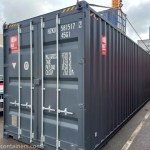
Shipping container 12m (40 ft)
A 12m shipping container is an investment that, if properly selected and cared for, will pay off in decades of trouble-free use. Whether you plan to use it as a warehouse, workshop, garage or the basis for a residential module — the key is careful selection of the condition, a thorough inspection before purchase and high-quality preparation of the base for placement. Take the time to compare offers, check the seller’s references and do not hesitate to personally inspect the container before buying. A properly selected 40-foot container will serve you reliably for many years.

Construction container
A construction container is an investment in safety, order and comfort — whether it is protecting tools from thieves or providing a dignified environment for workers. There are three key decisions: type (storage, residential, sanitary, rubble), form of acquisition (rent vs. purchase) and legislative provision (occupation, building code).

Construction cabin – selection, tips, dimensions and prices
Every construction project – whether a family house, a development project or a reconstruction – starts with the infrastructure. No construction manager, craftsman or investor who needs an on-site office, a changing room for workers or a safe storage for tools can do without a quality construction cell. But navigating the offer is not easy: residential containers, sanitary cells, storage modules, rental, purchase, refurbished pieces… This guide will give you answers to all the essential questions in one place.
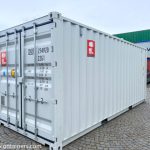
Storage container
A storage container is a lockable steel box designed for the safe and dry storage of materials, tools, goods or equipment. Originally created as a shipping container for maritime transport, its durability and versatility have found their way onto construction sites, corporate premises and private land.