
Container dehumidifier
What is a container dehumidifier?
A container dehumidifier is a specially designed device that absorbs moisture inside shipping containers. This product is essential to protect goods from condensation and consequential damage that can occur during transport or storage.
Why is moisture in the container a problem?
Significant temperature fluctuations can occur when goods are transported in containers. As the temperature drops, the hot air, which may contain more moisture, cools and the moisture condenses. This phenomenon is known as “container rain” or “cargo sweat”. Moisture can cause mould growth, damage to packaging, deterioration of labels and other problems that can significantly affect the quality and integrity of the goods being transported.
How does the container dehumidifier work?
Container dehumidifiers work on the principle of moisture absorption. They are made of materials with high absorption capacity, such as calcium chloride, starch, silica gel or desiccant clay. These materials effectively reduce the relative humidity inside the container and thus prevent condensation.
Types of container dehumidifiers
- Desiccant paws: this is a pack containing desiccant that can be easily placed in a container. They have a high absorption capacity and are available in different sizes and forms.
- CORPAC COR-DRY GEL: This type of dehumidifier combines calcium chloride and starch, allowing it to have extremely high absorption capacity in areas of high humidity. It is ideal for long transport by truck, train or ship.
- Thomar OHG: Specialized desiccant dryers that are designed to operate efficiently even with significant temperature fluctuations during transport and storage.
Advantages of using container dehumidifiers
- Prevents moisture damage: protects goods from unwanted moisture and condensation.
- Prevents mould growth: moisture encourages the growth of mould, which can spoil goods.
- Prevents white rust: Especially on unwrapped zinc or galvanized steel parts.
- Easy handling: the desiccant packs and gel dehumidifiers are easy to use and quick to install.
How to choose the right container dehumidifier
When choosing a container dehumidifier, it is important to consider several factors:
- Length of transport: longer transport requires dehumidifiers with higher absorption capacity.
- Item type: some materials are more sensitive to moisture than others.
- Climatic conditions: transportation through different climatic zones may require special dehumidifiers.
Other container news...

New shipping containers
If you are currently considering purchasing a new shipping container, you are not alone. While just twenty years ago containers were used almost exclusively for maritime transport, today they have found their way into construction, storage, business, and even housing. This growing popularity brings with it a host of questions: Which type should you choose? How much does it cost? How do you recognize quality? How can you avoid falling victim to scammers?

6m shipping container
Are you thinking about buying a 6-meter shipping container but aren’t sure what to look for? You are not alone—this 20-foot container is the best-selling size on the Czech market, and the differences between various types, conditions, and prices can be significant. In this guide, you will find everything you need to know: from exact dimensions and a comparison of categories (such as “one-way,” refurbished, and “Cargo Worthy”) to current prices and shipping advice.
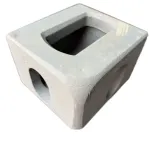
Corner casting steel vs aluminum
Every shipping container in the world — all 40 million of them — rests on eight critical components. Corner castings are the load-bearing blocks at each corner of an ISO shipping container, and they are the universal interface between the container and every crane, twistlock, spreader, and chassis on the planet. When you lift a container, stack it nine high on a ship, or lock it to a truck trailer, every ton of force flows through these fittings.

Construction cabin – selection, tips, dimensions and prices
Every construction project – whether a family house, a development project or a reconstruction – starts with the infrastructure. No construction manager, craftsman or investor who needs an on-site office, a changing room for workers or a safe storage for tools can do without a quality construction cell. But navigating the offer is not easy: residential containers, sanitary cells, storage modules, rental, purchase, refurbished pieces… This guide will give you answers to all the essential questions in one place.