
Placement of Shipping Container on Uneven Surface
When considering the placement of a shipping container, especially on uneven terrain, it is essential to approach this process with precision and preparation. This article explains this topic in detail and answers the key question: What is the process of placing a shipping container on uneven terrain and why is it important? We will explore related concepts, techniques, and best practices to achieve safe, functional, and long-term placement.
What does placement of a shipping container on uneven surface mean?
Shipping containers are universal structures used for storage, housing, or transportation. However, their proper placement requires careful consideration, especially if the terrain is uneven. An uneven surface can cause structural problems, such as “racking”—a phenomenon in which the container becomes twisted, causing improper alignment of doors and walls. Improper placement can also lead to settling, instability, and water accumulation, which will gradually damage the container and its contents.
To minimize these risks, proper site preparation, terrain leveling, and selection of an appropriate foundation are key. Placement on uneven terrain involves site assessment, selection of an appropriate foundation, and ensuring proper drainage to maintain structural integrity and usability of the container.

Key concepts and terminology
Below you will find a glossary of basic concepts and terms related to the placement of a shipping container on uneven terrain:
1. Racking
- Definition: A condition in which a shipping container becomes twisted because one or more corners are not level or not supported. This misalignment can cause problems with door opening or damage the structural integrity of the container.
- Example: When a container is placed on soft soil or lawn without adequate support, racking can occur because the corners sink unevenly.
Additional insights: Racking affects not only the usability of the container but also its long-term stability, which can cause permanent damage. Regular inspections and adjustments are necessary to prevent this problem.
2. Foundations
- Definition: Structural supports placed under the container to ensure stability and prevent settling or shifting. Foundations are especially important on uneven or soft ground.
- Types of foundations:
- Gravel layer: A layer of compacted gravel that provides drainage and a stable base.
- Concrete slabs: Durable pads placed under corners or under the entire base for long-term support.
- Railroad ties: Wooden beams often used under corners for temporary or light placement.
- Pillar or pile foundations: Vertical supports used on sloped or uneven terrain to level the container.
Research insights: Concrete pillars are often recommended for sloped or uneven terrain because they can be adjusted to create a level base. Gravel bedding is ideal for temporary installations due to its cost-effectiveness and ease of installation.
3. Site preparation
- Definition: The process of removing obstacles, leveling, and compacting soil to prepare for container placement. Proper site preparation reduces the risk of racking and maximizes container stability.
- Steps:
- Remove debris, stones, and tree roots.
- Level the surface using grading tools or excavation.
- Compact the soil to reduce shifting.
- Ensure proper drainage by shaping the surrounding ground to slope away from the container.
Expert tip: Tree roots and soft soil can threaten site stability. Removing roots and replacing soft soil with compacted gravel or sand can increase site resilience.
4. Leveling
- Definition: The process of ensuring that the container sits flat and evenly, with all four corners equally supported. Leveling is key to preventing racking and maintaining functionality.
- Tools used:
- Spirit level: For measuring levelness.
- Jack: For lifting and adjusting the container’s position.
- Shims: Thin materials, such as wood or metal, used for fine-tuning the container’s level.
Expert tip: Using a laser level can improve accuracy when leveling, especially for large containers or sites with significant slope.
5. Drainage
- Definition: The process of directing water away from the container to prevent water accumulation, corrosion, and foundation instability.
- Importance: Poor drainage can lead to water damage and soil erosion, which threatens container placement.
Additional details: Creating a slope of at least 2% away from the container can significantly improve drainage. Installing French drains or gravel trenches can further improve water management.
6. Corner castings
- Definition: Reinforced corners of a shipping container that bear most of its weight. Foundations should support these points to ensure stability.
7. Temporary vs. permanent placement
- Temporary placement: Short-term installations with lighter foundations, such as wooden beams or gravel layers.
- Permanent placement: Long-term installations requiring concrete slabs or pillars for maximum stability and durability.
Why is proper placement important?
Improper placement on uneven terrain can lead to a number of problems:
- Structural damage: Uneven surfaces cause twisting (racking), which can compromise the frame and alignment of the container.
- Door failure: Improperly aligned doors are difficult to open and close.
- Settling and shifting: Containers placed on soft or unstable soil can settle over time, leading to instability.
- Water damage: Poor drainage can cause water accumulation, leading to corrosion and interior damage.
Proper preparation and placement ensure that the container remains functional, safe, and durable regardless of terrain.
How to place a shipping container on uneven terrain
Here is a step-by-step procedure:
1. Site assessment
- Assess the terrain for slope, soil type, and drainage.
- Measure the area to ensure adequate space for the container and delivery vehicle.
2. Clean and prepare the area
- Remove all obstacles, such as stones, roots, and debris.
- Compact the soil to create a stable surface.
3. Level the area
- Use grading tools or hire professionals to level the terrain.
- Ensure that the surrounding area drains away from the container.
4. Select the appropriate foundation
- For temporary installations, use gravel, wooden beams, or concrete blocks.
- For permanent installations, choose concrete slabs, pillars, or a complete foundation.
5. Install the foundation
- Place supports directly under the container’s corner castings.
- Check and adjust the level using a spirit level and shims.
6. Place the container
- Arrange delivery using a truck with a tilting platform.
- Confirm that the container is level before the vehicle departs.
7. Post-delivery inspection
- Open and close all doors to ensure proper alignment.
- Make any necessary adjustments using a jack or additional supports.
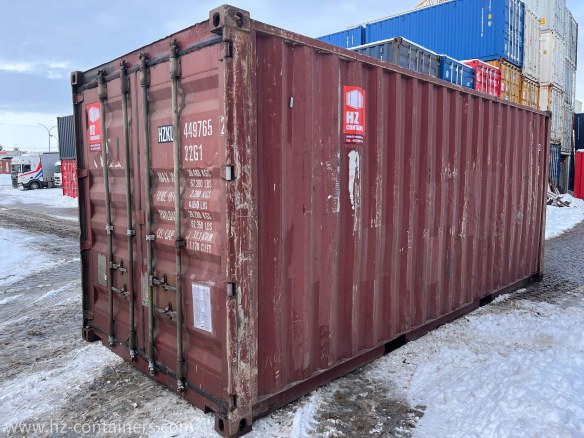
 Czech Republic, Kralupy nad Vltavou
  FREE SHIPPING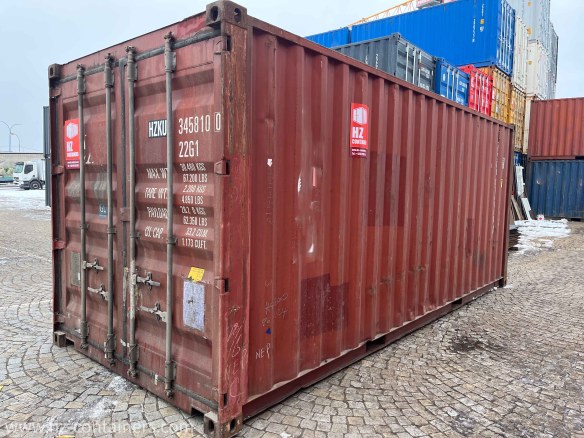
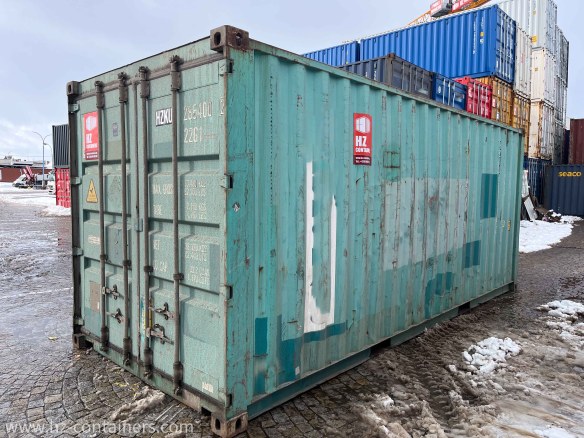

Other container news...
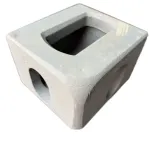
Corner casting steel vs aluminum
Every shipping container in the world — all 40 million of them — rests on eight critical components. Corner castings are the load-bearing blocks at each corner of an ISO shipping container, and they are the universal interface between the container and every crane, twistlock, spreader, and chassis on the planet. When you lift a container, stack it nine high on a ship, or lock it to a truck trailer, every ton of force flows through these fittings.

Construction cabin – selection, tips, dimensions and prices
Every construction project – whether a family house, a development project or a reconstruction – starts with the infrastructure. No construction manager, craftsman or investor who needs an on-site office, a changing room for workers or a safe storage for tools can do without a quality construction cell. But navigating the offer is not easy: residential containers, sanitary cells, storage modules, rental, purchase, refurbished pieces… This guide will give you answers to all the essential questions in one place.
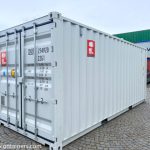
Storage container
A storage container is a lockable steel box designed for the safe and dry storage of materials, tools, goods or equipment. Originally created as a shipping container for maritime transport, its durability and versatility have found their way onto construction sites, corporate premises and private land.
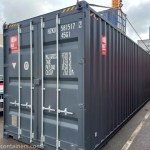
Shipping container 12m (40 ft)
A 12m shipping container is an investment that, if properly selected and cared for, will pay off in decades of trouble-free use. Whether you plan to use it as a warehouse, workshop, garage or the basis for a residential module — the key is careful selection of the condition, a thorough inspection before purchase and high-quality preparation of the base for placement. Take the time to compare offers, check the seller’s references and do not hesitate to personally inspect the container before buying. A properly selected 40-foot container will serve you reliably for many years.