
Increase in shipping rates and port congestion
Sudden Increase in Shipping Rates and Port Congestion Impacting Container Shipping
International Shipping Faces New Challenges
Significant changes in container shipping are occurring over the past 48 hours, affecting global markets and logistics. The most significant news comes from ports in the USA and Asia, where shipping rates are rising and port congestion is causing considerable delays.
Increase in Shipping Rates
MSC, the world’s largest maritime shipping company, has announced new rates of $8,000 to $10,000 for 40-foot containers to ports on the US West Coast. This move is in response to a sudden shortage of containers that has triggered a sharp rise in shipping costs. According to the Journal of Commerce, the situation is driven by high demand for shipping from Asia to Europe and the USA, resulting in fully loaded ships and rising rates.
Port Congestion in the USA
Ports in Tacoma and other parts of the USA are facing severe congestion due to increased import volumes and a shortage of railcars. According to the Journal of Commerce analysis, this situation could last at least until the end of August. Zim Integrated Shipping Services warns that any prolonged labor disruption at ports on the East and South coasts of the USA would have a global impact similar to that caused by forced reroutings of ships around southern Africa.
Technological Innovations and Investments
Maersk, one of the leading players in maritime shipping, is considering the use of nuclear power as an alternative fuel for its ships. This move follows significant investments in methanol technology development and orders for ships capable of using LNG. This shift could revolutionize the field of environmentally friendly shipping.
Global Impacts and Future Outlook
In Asia, a seasonal increase in shipping volumes is beginning, contributing to port congestion and delays. European companies are preparing for the peak season, which will extend the high volume of Asian imports into the third quarter. Meanwhile, Indian-American shipping companies are reducing their planned rate increases in August to adapt to competitive pressures and increased capacity.
Other container news...
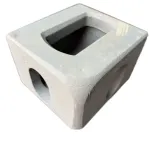
Corner casting steel vs aluminum
Every shipping container in the world — all 40 million of them — rests on eight critical components. Corner castings are the load-bearing blocks at each corner of an ISO shipping container, and they are the universal interface between the container and every crane, twistlock, spreader, and chassis on the planet. When you lift a container, stack it nine high on a ship, or lock it to a truck trailer, every ton of force flows through these fittings.

Construction cabin – selection, tips, dimensions and prices
Every construction project – whether a family house, a development project or a reconstruction – starts with the infrastructure. No construction manager, craftsman or investor who needs an on-site office, a changing room for workers or a safe storage for tools can do without a quality construction cell. But navigating the offer is not easy: residential containers, sanitary cells, storage modules, rental, purchase, refurbished pieces… This guide will give you answers to all the essential questions in one place.
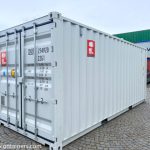
Storage container
A storage container is a lockable steel box designed for the safe and dry storage of materials, tools, goods or equipment. Originally created as a shipping container for maritime transport, its durability and versatility have found their way onto construction sites, corporate premises and private land.
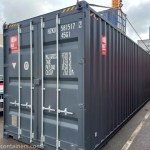
Shipping container 12m (40 ft)
A 12m shipping container is an investment that, if properly selected and cared for, will pay off in decades of trouble-free use. Whether you plan to use it as a warehouse, workshop, garage or the basis for a residential module — the key is careful selection of the condition, a thorough inspection before purchase and high-quality preparation of the base for placement. Take the time to compare offers, check the seller’s references and do not hesitate to personally inspect the container before buying. A properly selected 40-foot container will serve you reliably for many years.