
Humidity Control in Containers
What is humidity control in shipping containers and why is it so critical?
Humidity control in shipping containers is one of the most important aspects of modern logistics and international trade. It is a set of technical and procedural measures aimed at preventing, monitoring, and managing humidity levels inside closed cargo containers during the transport of goods by sea, rail, or road. The issue of humidity in containers is not a new phenomenon — it was observed in the early days of containerized shipping in the 1960s — but its significance is increasing with the growing volume of global trade and the associated risk of cargo damage.
The key importance of humidity control lies in its ability to protect goods from extensive damage that can occur as a result of excessive humidity. Losses caused by humidity are estimated at billions of dollars annually in global trade. Without adequate measures, humidity can cause metal corrosion, mold and fungal growth, swelling and deformation of paper and cardboard, damage to textiles, degradation of electronic components, and spoilage of food. For many products, especially those destined for warm and humid climatic zones, humidity control is literally a matter of profitability and company reputation.
The modern approach to humidity control in containers involves an integrated system of several technologies and procedures. It is not just about passive measures such as silica gel or ventilation openings, but about active monitoring, predictive planning, and coordination between the shipper, carrier, and recipient. Effective humidity control requires an understanding of the physics of humidity, knowledge of available technologies, an understanding of regulatory requirements, and practical experience with their application in various climatic conditions and types of goods.
Definitions and basic concepts of humidity
Humidity in containers is usually measured as a percentage of relative humidity (RH – Relative Humidity), which is the ratio between the actual amount of water vapor in the air and the maximum amount of water vapor the air can hold at a given temperature. It is measured in the range of 0% (completely dry) to 100% (saturated, with condensation). Relative humidity is a key parameter because the same absolute amount of water vapor represents different relative humidity depending on temperature — warm air can hold more moisture than cold air.
Absolute and relative humidity
Absolute humidity represents the actual amount of water vapor per unit volume of air, usually measured in grams per cubic meter (g/m³). This parameter is important for engineers and specialists who need precise calculations of desiccant capacity and ventilation systems. The relationship between relative and absolute humidity is mathematically expressed through the dew point temperature, which is the temperature at which air becomes saturated and condensation begins to form. Understanding this relationship is key to preventing container rain and cargo sweat.
Historical context and industry development
The issue of humidity in shipping containers was first systematically documented in the 1970s, when massive cargo damage began to appear during long sea voyages. Particularly on routes from Asia to Europe and North America, losses occurred that were originally attributed to packaging defects or handling, but were caused by condensation inside containers. Since then, scientific knowledge about the physics of humidity in enclosed spaces has developed, and effective technologies for its control have been developed.
Development of standards and technologies
In the 1980s and 1990s, the DIN 55474 standard became an internationally recognized tool for calculating desiccant requirements. This standard, originally developed in Germany, enables precise calculation of the amount of desiccant material needed to protect a specific cargo based on its characteristics and climatic conditions during transport. Today, humidity control is an integral part of planning every international shipment and is regulated by a range of international standards and recommendations.
What are the main sources of humidity in shipping containers?
Understanding the sources of humidity is the first step toward effective control. Humidity in containers does not come from a single source, but from a combination of several factors that interact with each other. Proper identification and quantification of these sources is essential for selecting appropriate control measures. An average container can contain up to 600–1,000 liters of moisture by the end of transport, an amount capable of causing catastrophic damage to sensitive goods.
The largest and most frequently underestimated source of humidity is the air inside the container at the moment of closing. When a container is closed, the air contains a certain amount of moisture depending on the temperature and relative humidity at that location and time. If the container is closed in a warm and humid environment (for example, in a port in a tropical climate), the air inside will contain the maximum amount of water vapor. When the container then moves to a cooler climate during transport, or when the temperature inside the container drops at night, this air cools and its capacity to hold moisture decreases, leading to condensation.
The second significant source is moisture in the goods themselves and in packaging materials. Paper, cardboard, textiles, wood, and many other materials are hygroscopic — meaning they absorb moisture from the surrounding environment and can also release it. If goods are packed in a high-humidity environment and then transported to a lower-humidity environment, the goods will release moisture into the container. This process is called desorption and can last throughout the entire transport, gradually increasing the relative humidity inside the container.
Sources of humidity during the initial packing phase
When preparing a container for loading, it is critical to understand how much moisture it already contains. Air in a port or distribution center can have a relative humidity of 70–95% depending on geographic location and season. When a container is opened and goods are loaded into it, the air inside becomes saturated with moisture from the surrounding environment. If the container is then quickly closed and dispatched, this humid air remains inside and will be a source of condensation later during transport.
Packaging materials used to protect goods — paper, cardboard, bubble wrap, fabrics — are all hygroscopic. If these packages were prepared in a high-humidity environment, they will contain elevated amounts of moisture. During transport, especially if climatic conditions change, these materials will release this moisture. For example, paper boxes packed in Asia during the monsoon season can contain up to 5–10% more moisture than their nominal weight.
The influence of weather and climate during loading
The time of year and local weather play a decisive role in initial humidity. Summer in tropical regions brings relative humidity often exceeding 90%, while winter in temperate zones may be characterized by values of 50–70%. If a container is loaded during a period of high humidity and is destined for a cooler climate, the risk of condensation is significantly higher. Shippers should always take this seasonality into account and adopt appropriate measures.
Moisture from pallets and wooden structural elements
The third source is moisture from pallets and wooden structural elements used in packing goods. Pallets, especially those made from green (undried) wood, can contain up to 50–60% moisture by weight. During transport, this wood gradually dries out, releasing enormous amounts of water vapor into the enclosed space of the container. Even pallets made from kiln-dried wood can contain 12–15% moisture and contribute to increased humidity in the container.
The problem of green pallets
The use of green pallets is one of the most common mistakes that leads to excessive humidity in containers. Green pallets can release up to 100–150 kg of water vapor during a four-week shipment. This is an amount capable of increasing the relative humidity in a 33 m³ container by 20–30%. Proper drying of pallets is therefore essential for humidity control.
Moisture absorbed into the container itself
The fourth source, which is often overlooked, is moisture absorbed into the walls and floor of the container itself during its previous use and storage. Steel and aluminum container walls are not completely impermeable — they can absorb moisture and later release it. Moreover, if a container is stored in a high-humidity location or if it is exposed to rain without proper protection, water can get inside and be absorbed into the floor and insulating materials.
Container preparation
Before loading goods, the container should be inspected for moisture. If the container is damp, it should be dried by ventilation or other means. Some companies use special drying containers with ventilation systems to prepare containers. Checking humidity in an empty container is an inexpensive investment that pays off in the form of reduced cargo damage.
Sources of humidity during transport
During transport, additional sources of humidity may appear, especially if the container passes through different climatic zones. Maritime transport is particularly risky, as containers are exposed to humid sea air. Moisture from sea salt and water vapor from the ocean can penetrate the container, especially if all joints and openings are not properly sealed.
Maritime and land transport
Rail and road transport in certain regions can also bring increased humidity. For example, transport through areas with high groundwater levels or across rivers and lakes during periods of high humidity can increase moisture in the container. Storing a container in an open location without protection during transport also increases the risk of water ingress and increased humidity.
What is the phenomenon of condensation in containers and how does “container rain” form?
Condensation in shipping containers is a physical phenomenon in which water vapor in the air turns into liquid water. This process occurs when the air temperature drops below its dew point temperature, which is the temperature at which air is completely saturated with moisture and can no longer hold more water vapor. When the temperature then decreases further, excess moisture condenses on the coldest available surfaces — usually on the inner walls and ceiling of the container, on the goods, and on packaging materials.
The phenomenon of “container rain” or “cargo sweat” is a dramatic manifestation of this process. During the day, especially at the beginning of transport in warm regions, the temperature inside the container rises, the air expands, and its relative humidity decreases. When the temperature then drops rapidly at night or upon entering a cooler climatic zone, relative humidity rises sharply and intense condensation occurs. Water collects on the ceiling and upper parts of the container walls and gradually drips down onto the goods, as if it were raining inside the container. This phenomenon has been observed in thousands of containers and has caused catastrophic cargo damage.
The physics of condensation and the dew point temperature
The dew point temperature is a precise mathematical function of relative humidity and absolute temperature. There are precise tables and formulas that allow engineers to calculate the dew point temperature in any scenario. For example, at a temperature of 25°C and a relative humidity of 60%, the dew point temperature is approximately 13.9°C. This means that if the temperature drops to 13.9°C, condensation will begin to form.

A key factor is that relative humidity is not fixed — it changes with temperature. When the temperature decreases, relative humidity increases, even if the absolute amount of moisture in the air does not change. This phenomenon is called adiabatic cooling and is responsible for most condensation in containers. When a container cools down, for example during transport over cooler waters or at night, relative humidity increases, and if it reaches 100%, condensation begins.
The effect of temperature fluctuations on condensation
Temperature fluctuations during transport are one of the most important factors affecting condensation. Maritime transport characterized by large temperature differences between day and night, especially in transition zones between warm and cold regions, creates ideal conditions for condensation. For example, when shipping from Asia to Europe, a container moves from tropical temperatures through subtropical and temperate zones, with temperature gradually decreasing. Every night, when the temperature drops, condensation occurs.
Road transport in mountainous areas or at night also creates conditions for condensation. For example, transport across the Alps in winter or across the Rocky Mountains in the USA can lead to a dramatic drop in temperature and subsequent intense condensation. Rail transport through long tunnels, where the temperature is lower, also increases the risk.
Practical examples and observations
In practice, condensation in containers has been observed in a wide variety of situations. One classic example is the transport of electronic components from Asia to Europe. The components are packed in paper boxes, which are hygroscopic. During transport, condensation occurs, which penetrates the paper boxes and causes corrosion of electronic components. Losses to electronics caused by humidity are estimated at billions of dollars annually.
Example: Textile cargo
Another example is the transport of textiles. Textiles are highly hygroscopic and can absorb up to 12% of their weight in moisture. When textiles packed in paper boxes are transported from a humid climate to a cooler one, condensation creates ideal conditions for mold and fungal growth. Mold not only physically damages the textiles but also produces toxins and causes an unpleasant odor that is very difficult to remove. Practical studies show that approximately 10–15% of textile cargoes transported without proper humidity control suffer visible damage.
What are the main types of damage caused by humidity to different types of goods?
Humidity in containers causes various types of damage depending on the type of goods. Some products are more sensitive to humidity than others and therefore require specific measures. Understanding these damages is essential for agreeing on an appropriate level of protection and investment in humidity control.
Metal corrosion is one of the most common and most visible types of damage. When metal is exposed to humidity, especially in the presence of salt (from maritime transport), an electrochemical process occurs that causes rust and corrosion. Machinery, components, tools, and other metal products can be seriously damaged within a few weeks of transport. Corrosion can be partially slowed by the use of protective oils and waxes, but the best defense is humidity control, which prevents the formation of a corrosive environment.
Mold and fungal growth is the second main type of damage. Molds and fungi thrive in environments with high humidity, usually above 65% relative humidity. Paper, cardboard, textiles, wood, and many other materials are ideal environments for their growth. Molds not only physically damage the material but also produce toxins and cause unpleasant odors. For food and medical products, mold growth is a health risk and can lead to their spoilage and prohibition of sale.
Swelling and deformation of paper and cardboard is a consequence of moisture absorption by these hygroscopic materials. Paper and cardboard expand when they absorb moisture, which can lead to deformation of boxes, loosening of packaging, and damage to contents. For printed materials such as books and brochures, moisture causes wrinkling and deformation of pages.
Specific damage to different products
Electronics and electrical equipment
Electronic components are extremely sensitive to humidity. Moisture causes corrosion of conductors, creates bridges between electrical pathways leading to short circuits, and causes degradation of insulating materials. Microchips, capacitors, transistors, and other components can be permanently damaged by exposure to high humidity. Damage to electronics caused by humidity is estimated at 5–10 billion dollars annually in global trade. Electronics typically require relative humidity below 50%, and special packaging with desiccants is often used.
Electronic devices are particularly sensitive during the first 48 hours after exposure to high humidity, when the fastest absorption of moisture into semiconductors and insulating layers occurs. Long-term exposure above 60% relative humidity can cause permanent damage that does not manifest immediately, but during the first months or years of use.
Textiles and clothing
Textiles are hygroscopic and can absorb up to 12% of their weight in moisture. Exposure to high humidity leads to mold growth, which causes unpleasant odors and discoloration. For white and light-colored textiles, the damage can be particularly visible. Clothing that is exposed to humidity during transport becomes unusable and must be destroyed. The textile industry, especially in Asia, is one of the largest producers of goods transported in containers, and therefore humidity control is critical for the textile industry.
Paper and cardboard
Paper and cardboard are highly hygroscopic and their properties change significantly with humidity. Increased humidity causes paper to swell, wrinkle, and deform. For printed materials, this leads to problems with print quality and appearance. For packaging, it can cause loosening and damage to contents. Paper and cardboard are also an ideal environment for mold growth. The printing and paper industry is very sensitive to humidity and often uses special packaging and desiccants.
Food and beverages
Food is very sensitive to humidity. Increased humidity leads to bacterial and mold growth, which can cause health risks. For dry foods such as flour, sugar, and salt, humidity causes clumping and degradation. For chocolate and confectionery, humidity causes “bloom” — a white coating on the surface that is unaesthetic. For beverages, humidity can cause corrosion of packaging and degradation of contents. The food industry is one of the strictest in its humidity control requirements, and therefore the most modern technologies are used.
Wood and wooden products
Wood is hygroscopic and its moisture content changes with the relative humidity of the surroundings. Increased humidity causes wood to swell, deform, and crack. For furniture and wooden products, this can lead to deterioration and reduced value. Wood is also an ideal environment for mold and fungal growth. The wood industry, especially in Asia and Africa, is very dependent on humidity control during transport.
Table 1: Effect of relative humidity on different materials and time to damage
| Material | Critical RH | Time to Damage | Type of Damage | Economic Impact |
|---|---|---|---|---|
| Electronics | <50% | 1–2 weeks | Corrosion, short circuits | Very high |
| Paper/Cardboard | <65% | 2–4 weeks | Swelling, deformation | High |
| Textiles | <70% | 2–3 weeks | Mold, odor | High |
| Metal | <60% | 1–3 weeks | Corrosion, rust | High |
| Food | <65% | 1–2 weeks | Mold, degradation | Critical |
| Wood | <75% | 3–4 weeks | Swelling, cracks | Medium |
| Medical products | <50% | 1–2 weeks | Degradation, spoilage | Very high |
What technologies and materials are available for humidity control?
There are a number of technologies and materials that can be used to control humidity in containers. These technologies can be divided into several categories: desiccants (absorbing moisture), ventilation systems (removing moisture), insulating materials (reducing temperature fluctuations), and active air conditioning systems (regulating humidity and temperature).
Desiccants: Types and effectiveness
Desiccants are materials that absorb moisture from the air. There are several types, each with different properties and applications. Desiccants work on the principle of physical adsorption — moisture binds to the surface of desiccant material particles without chemical change. When a desiccant is saturated with moisture, it can be regenerated by heating, which causes the moisture to be released.
Silica gel: The most popular desiccant
Silica gel (silicon dioxide) is one of the most commonly used desiccants. It is an inorganic polymer with a very high moisture absorption capacity — it can absorb up to 40% of its weight in moisture. Silica gel is available in various granule sizes and forms, from small sachets to large containers. One of the advantages of silica gel is that it is regenerable — when saturated, it can be heated to 120°C and the moisture is released.
Silica gel is used in various forms: as granules in paper sachets, as beads in plastic sachets, or as special boards and strips. The capacity of silica gel depends on relative humidity — it absorbs less at lower humidity. It is typically used in quantities calculated according to the DIN 55474 standard, which takes into account the type of goods, transport duration, and climatic conditions.
Calcium chloride
Calcium chloride is another commonly used desiccant. It has a lower absorption capacity than silica gel (approximately 20–25% of its weight), but is cheaper. Calcium chloride is hygroscopic and absorbs moisture directly, dissolving in the water it absorbs. This creates a solution that must be contained in an impermeable packaging to prevent water from spilling into the container.
Calcium chloride is used in plastic sachets with an absorbent material that retains the water. These sachets are usually hung in the upper part of the container so they can absorb moisture from the air. Calcium chloride is effective and inexpensive, but requires care in handling to prevent water leakage onto the goods.
Activated carbon for special applications
Activated carbon (activated charcoal) is a porous material with a very high specific surface area. It is used primarily for absorbing odors and gases, but also absorbs moisture. The moisture capacity of activated carbon is lower than that of silica gel, but its ability to absorb odors and gases makes it useful for certain applications, especially for food and medical products. Activated carbon is also effective for removing unwanted odors from containers after previous use.
Calcium sulfate (anhydrite)
Calcium sulfate (anhydrite) is a mineral desiccant with an absorption capacity of approximately 10–15% of its weight. It is the cheapest desiccant and is used in applications where cost is critical. Calcium sulfate is more difficult to regenerate than silica gel, but is still regenerable. This material is used especially in developing countries and in applications with lower quality requirements.
Ventilation systems: From passive to active solutions
Ventilation systems remove moisture from the container by facilitating the exchange of air between the interior of the container and the external environment. There are a number of types of ventilation systems, from passive (which require no energy) to active (which require electricity or mechanical drives).
Passive ventilation openings: The simplest solution
Passive ventilation openings are simple openings in the upper and lower parts of the container that allow natural airflow. When the temperature inside the container rises, the air expands and is pushed out through the upper opening. When the temperature drops, outside air is drawn in through the lower opening. This process is called thermal circulation and is completely passive, requiring no energy.
Passive ventilation openings are very simple and inexpensive, but their effectiveness is limited. They require a temperature difference between the inside and outside of the container, and their effectiveness decreases in conditions with small temperature fluctuations. Moreover, if the outside air is more humid than the air inside the container, passive ventilation can increase humidity instead of reducing it.
Louvered vents
Louvered vents are an improved version of passive openings. They have louvers that direct airflow and prevent direct entry of rain. Louvered vents are more effective than simple openings because they better utilize temperature differences and are more resistant to wet weather. These vents are standard in modern containers and their installation adds only a small cost to the price of the container.
Turbine vents: Wind-driven movement
Turbine vents are passive ventilation devices that use wind movement to create suction. They have rotating blades that spin in the wind and create negative pressure that draws air out of the container. Turbine vents are more effective than louvered vents, but require wind to function. In calm ports or during storage, they may be less effective.
Active ventilation systems: Modern solutions
Active ventilation systems, such as electric fans and extraction systems, are the most effective. These systems actively pump humid air out of the container and replace it with dry air. They can be equipped with humidity sensors that automatically regulate their operation. Active ventilation systems are, however, more expensive and require a power source, which is problematic in maritime transport. Their use is limited to special applications and very expensive goods.
Insulating and lining materials: Reducing temperature fluctuations
Insulating materials reduce temperature fluctuations inside the container, thereby reducing relative humidity. When a container is better insulated, the temperature inside changes more slowly, which means that relative humidity also changes more slowly and condensation is less intense.
Plywood lining
Plywood is used to line the inner walls of the container. Plywood is hygroscopic and absorbs moisture that would otherwise condense on the steel walls. Plywood also provides some insulation. Plywood lining is inexpensive and commonly used, but has limited effectiveness and the plywood can deteriorate if it becomes saturated with moisture.
OSB (Oriented Strand Board)
OSB is similar to plywood but is made from oriented wood fibers. OSB is cheaper than plywood but less resistant to moisture. OSB is used similarly to plywood to line container walls. In tropical climates, OSB is generally not used because it degrades quickly.
Melamine and plastic linings
Melamine is a plastic material used to line the walls and ceiling of a container. Melamine is impermeable and does not provide a place for moisture absorption, but is expensive. Melamine is usually used in combination with insulating materials. Melamine is resistant to moisture and can be regenerated and reused.
Polyurethane foam (spray foam)
Polyurethane foam is sprayed onto the inner walls of the container and creates a layer of insulation. The foam has low thermal conductivity and reduces temperature fluctuations. The foam also partially absorbs moisture. Polyurethane foam is expensive but very effective. Its installation increases the cost of the container by 15–25%, but for long-term use the investment pays off.
Table 2: Comparison of desiccants and their characteristics
| Desiccant | Capacity (%) | Price per kg | Regenerability | Application | Lifespan |
|---|---|---|---|---|---|
| Silica gel | 35–40 | 2–4 EUR | Yes, 120°C | Electronics, textiles, paper | 3–5 years |
| Calcium chloride | 20–25 | 0.5–1 EUR | Difficult | General use, maritime transport | 1–2 years |
| Activated carbon | 15–20 | 3–6 EUR | Yes | Food, healthcare | 2–3 years |
| Calcium sulfate | 10–15 | 0.3–0.8 EUR | Difficult | Low-cost applications, emergency solution | 1 year |
How is the correct amount of desiccants calculated according to DIN 55474?
The DIN 55474 standard is an internationally recognized standard for calculating desiccant requirements for containerized transport. This standard was developed in Germany and is now used worldwide. DIN 55474 provides a mathematical model for calculating the amount of desiccant material needed to protect a specific cargo based on its characteristics and climatic conditions during transport.
Basic principles of DIN 55474
The DIN 55474 standard is based on the following principle: during transport, humidity in the container increases due to desorption from goods, pallets, and packaging materials. The desiccant must absorb this moisture to prevent the relative humidity from rising above a critical level. The standard calculates the maximum amount of moisture that will be released during transport and determines how much desiccant material is needed to absorb this moisture.
The calculation according to DIN 55474 includes the following factors:
- Weight of goods – The more goods, the more moisture will be released.
- Type of goods – Different types of goods release different amounts of moisture. Paper and textiles release more than metals.
- Initial moisture content of goods – If the goods are already damp, they will release more moisture.
- Temperature during transport – Higher temperature means more moisture in the air.
- Relative humidity during transport – Higher relative humidity means a higher risk of condensation.
- Duration of transport – Longer transport means more time for desorption.
Practical calculation and examples
The calculation according to DIN 55474 is performed using tables and formulas. The basic formula is:
Amount of desiccants (kg) = (Weight of goods × Moisture factor × Time factor) / Desiccant capacity
Where:
- Weight of goods is in kilograms
- Moisture factor depends on the type of goods and initial moisture content
- Time factor depends on the length of transport (usually in days)
- Desiccant capacity is the maximum amount of moisture the desiccant can absorb, typically 35% for silica gel
Specific calculation example
Example: Transport of 10,000 kg of paper products from Asia to Europe lasting 30 days. Paper has a moisture factor of 0.5 (paper releases 0.5% of its weight in moisture per day). The time factor is 30 days. The capacity of silica gel is 35%.
Amount of moisture = 10,000 kg × 0.5% × 30 days = 1,500 kg of moisture
Amount of desiccants = 1,500 kg / 0.35 = 4,286 kg of silica gel
This calculation is simplified; practical calculations are more complex and include more factors, including specific climatic data for the planned route and season.
Table 3: Moisture factors for different types of goods according to DIN 55474
| Type of Goods | Moisture Factor (%/day) | Note | Critical RH | Time to Damage |
|---|---|---|---|---|
| Paper and cardboard | 0.5–1.0 | Highly hygroscopic | <65% | 2–4 weeks |
| Textiles | 0.3–0.7 | Hygroscopic | <70% | 2–3 weeks |
| Wood | 0.2–0.5 | Moderately hygroscopic | <75% | 3–4 weeks |
| Metal | 0.1–0.2 | Low release | <60% | 1–3 weeks |
| Electronics | 0.1–0.3 | Very sensitive to humidity | <50% | 1–2 weeks |
| Food | 0.2–0.8 | Depends on type | <65% | 1–2 weeks |
| Medical products | 0.1–0.4 | Very strict requirements | <50% | 1–2 weeks |
What are the best practical procedures and strategies for humidity control?
Effective humidity control requires an integrated approach that combines various technologies and procedures. It is not just about applying desiccants, but about overall planning and moisture management from packing the goods to their delivery. Best practices are based on decades of experience and scientific studies.
Preparation of goods and packaging: A critical phase
The first step is proper preparation of the goods. Goods should be packed in an environment with controlled humidity, ideally with a relative humidity of 40–60%. If goods are packed in a high-humidity environment, they should be dried before packing. Paper and paperboard packaging should be stored in a dry environment and should be opened just before use to prevent moisture absorption.
Pallets should be made from kiln-dried wood with a moisture content of 12–15%, not from green wood, which contains 50–60% moisture. The use of green pallets is one of the most common mistakes that leads to excessive humidity in containers. Pallets should be stored in a dry environment and protected from rain.
Checking initial moisture content
Before packing, a moisture check should be performed. If the goods are damp, they should be dried. Modern drying chambers with controlled temperature and humidity can prepare goods to ideal conditions. The investment in drying is often cheaper than the cost of returning damaged goods.
Selecting the appropriate type and quantity of desiccants
The selection of the appropriate type of desiccant depends on the type of goods and climatic conditions. For electronics and medical products, silica gel is the best choice due to its high capacity and regenerability. For textiles and paper, silica gel is also suitable, but calcium chloride may be a more economical alternative. For general use and low-cost applications, calcium sulfate can be used.
The amount of desiccants should be calculated according to DIN 55474 or a similar standard. It is not appropriate to use too few desiccants, which would lead to ineffectiveness, nor too many, which would increase costs without additional benefit. Typically, 1–3 kg of desiccants per 1 m³ of container is used, depending on the type of goods.
Placement of desiccants in the container: Optimal positioning
The placement of desiccants in the container is important for their effectiveness. Desiccants should be placed in the upper part of the container, where condensation collects. They should be distributed evenly so they can absorb moisture from the entire volume of the container. Desiccants should not be placed directly on the goods to prevent their contact with wet condensation.
The modern approach involves hanging desiccants on special wire structures that allow free airflow around them. In this way, desiccants can absorb the maximum amount of moisture.
Ventilation and monitoring: An active approach
Where possible, ventilation systems should be installed in the container. Passive ventilation openings are inexpensive and can be effective, especially if the container moves through different climatic zones. Active ventilation systems are more expensive but are very effective and can be equipped with humidity sensors for automatic regulation.
Monitoring humidity during transport is very important. Modern humidity and temperature sensors can be placed in the container and can record data throughout the entire transport. This data can be transmitted or read upon delivery. Monitoring allows problems to be identified and corrective measures to be taken. Some modern systems use IoT sensors that report container conditions in real time.
Insulation and air conditioning: Premium solutions
For very sensitive goods, such as electronics or medical products, it may be appropriate to use insulating materials or even active air conditioning systems. Insulating materials reduce temperature fluctuations and thereby reduce relative humidity. Active air conditioning systems can maintain temperature and humidity within precise ranges, but are significantly more expensive.
Polyurethane foam and melamine linings are the most effective insulating materials. Their installation increases the cost of the container, but for long-term use the investment pays off in the form of reduced cargo damage.
Communication and coordination: A key component
Effective humidity control requires good communication between the shipper, carrier, and recipient. The shipper should inform the carrier about the type of goods and humidity requirements. The carrier should ensure that appropriate measures are used and that the goods are protected from humidity. The recipient should inspect the goods upon receipt and report any problems.
What are the international standards and recommendations for humidity control?
Humidity control in containers is regulated by a number of international standards and recommendations. These standards provide guidelines and best practices for ensuring effective cargo protection.
DIN 55474 – Standard for desiccants
DIN 55474 is a German standard that has been adopted as an international standard. It provides a methodology for calculating desiccant requirements and is the most commonly used standard in the industry. The standard is updated regularly to reflect new knowledge and technologies. DIN 55474 is now used in almost all countries and is part of trade agreements.
ISO 6270 – Humidity and temperature in containers
ISO 6270 is an international standard that deals with the measurement and monitoring of humidity and temperature in containers. The standard defines methods for measuring relative humidity and temperature and provides recommendations for monitoring during transport. ISO 6270 is important for ensuring consistency of measurements and for comparing data from different sources.
SOLAS and IMO regulations
The International Maritime Organization (IMO) and SOLAS (Safety of Life at Sea) regulations include requirements for protecting cargo from humidity. These regulations require that cargo be protected from humidity and that appropriate humidity control measures be used. SOLAS regulations are binding for all ships carrying international cargo.
Industry-specific standards and norms
Different industries have their own standards and recommendations. The electronics industry has standards for protecting electronics from humidity. The food industry has standards for protecting food. The textile industry has standards for protecting textiles. These standards are often stricter than general standards and require specific measures.
Medical and pharmaceutical standards
The medical and pharmaceutical industry has very strict requirements for humidity control. Medicines and medical products must be protected from humidity to preserve their efficacy and safety. Standards such as ICH Q1A and FDA CFR Part 211 set strict requirements for storage and transport.
Conclusion: An integrated approach to moisture management
Humidity control in shipping containers is a complex but essential aspect of modern logistics. Effective humidity control requires an understanding of the physics of humidity, knowledge of available technologies, compliance with international standards, and practical experience. The best approach is an integrated one that combines desiccants, ventilation systems, insulating materials, and monitoring, tailored to the specific type of goods and climatic conditions during transport.
Investment in effective humidity control pays off in the form of reduced cargo damage, higher customer satisfaction, and a better reputation in the industry. With the growing volume of global trade and the associated risk of humidity, humidity control is becoming increasingly important. Companies that adopt best practices and invest in modern technologies will have a competitive advantage and will be able to protect their goods from humidity effectively and economically.
The future of humidity control lies in automation, IoT technologies, and artificial intelligence, which can predict and optimize conditions during transport. Modern logistics companies are already implementing these technologies and achieving significant reductions in cargo damage. The adoption of these technologies will become the standard in the coming years.

 Czech Republic, Třebíč
  FREE SHIPPING

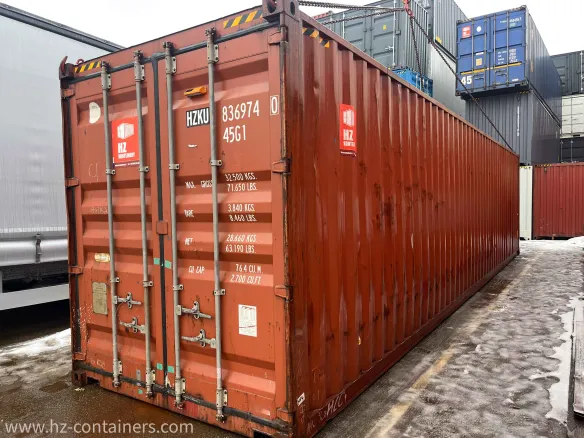
Other container news...
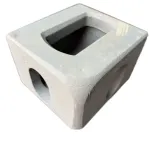
Corner casting steel vs aluminum
Every shipping container in the world — all 40 million of them — rests on eight critical components. Corner castings are the load-bearing blocks at each corner of an ISO shipping container, and they are the universal interface between the container and every crane, twistlock, spreader, and chassis on the planet. When you lift a container, stack it nine high on a ship, or lock it to a truck trailer, every ton of force flows through these fittings.

Construction cabin – selection, tips, dimensions and prices
Every construction project – whether a family house, a development project or a reconstruction – starts with the infrastructure. No construction manager, craftsman or investor who needs an on-site office, a changing room for workers or a safe storage for tools can do without a quality construction cell. But navigating the offer is not easy: residential containers, sanitary cells, storage modules, rental, purchase, refurbished pieces… This guide will give you answers to all the essential questions in one place.
Storage container
A storage container is a lockable steel box designed for the safe and dry storage of materials, tools, goods or equipment. Originally created as a shipping container for maritime transport, its durability and versatility have found their way onto construction sites, corporate premises and private land.
Shipping container 12m (40 ft)
A 12m shipping container is an investment that, if properly selected and cared for, will pay off in decades of trouble-free use. Whether you plan to use it as a warehouse, workshop, garage or the basis for a residential module — the key is careful selection of the condition, a thorough inspection before purchase and high-quality preparation of the base for placement. Take the time to compare offers, check the seller’s references and do not hesitate to personally inspect the container before buying. A properly selected 40-foot container will serve you reliably for many years.