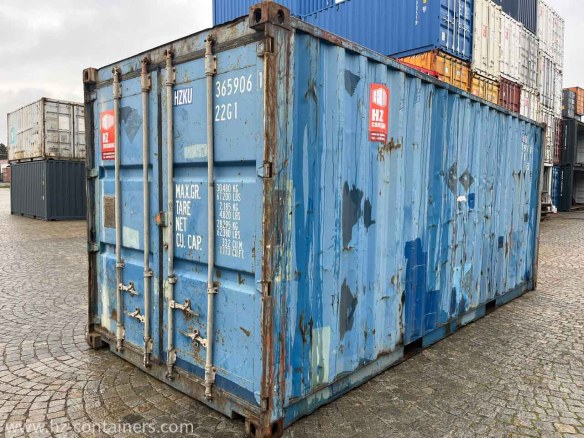
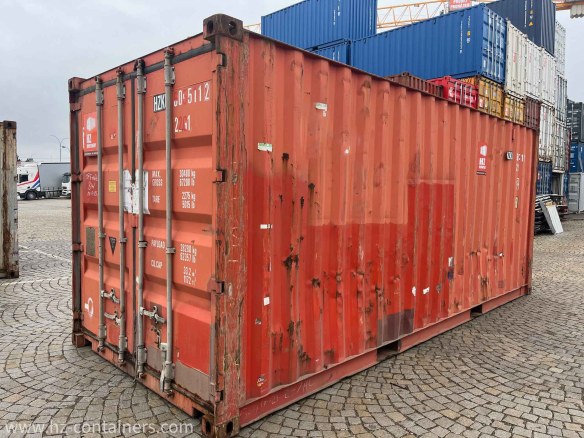
Abbreviation AS IS 10, AS IS 5 and AS IS 2
What do the abbreviations AS IS 10, AS IS 5 and AS IS 2 mean?
The abbreviations AS IS 10, AS IS 5 and AS IS 2 designate a non-standardized system of internal condition assessment of decommissioned shipping containers in the “AS IS” category. This system divides the lowest category of containers according to the degree of damage – the lower the number, the better the container is in (albeit still “AS IS”) quality. The numbers serve primarily for internal needs of sellers for more precise pricing and customer orientation in the differences between containers that would otherwise fall into one risk group. Caution – this is NOT an internationally recognized standard, the meaning may differ between different companies and you should always request a specific definition and thoroughly check the condition of the container!
Main principle:
- AS IS 10: Extremely damaged container, often suitable only for scrap or demanding repairs, but may also be leaky or otherwise damaged
- AS IS 5: Medium condition, partial damage – repairable, but requiring investment of time/money, but may also be leaky or otherwise damaged
- AS IS 2: Best possible condition within “AS IS”, approaching CW category, requires only minor repairs, but may also be leaky or otherwise damaged
It is often stated that the number after the AS IS abbreviation indicates the number of hours needed to repair to CW quality.
More on container quality in the article: Quality of shipping containers
Introduction to the issue of shipping container assessment
Shipping containers form the basis of global logistics. They are designed for decades of operation in extreme conditions: exposure to salt water, UV radiation, mechanical stress on ships, in ports and during transport by rail and road. After their useful life in primary transport (averaging 8–14 years depending on type and maintenance), they reach the secondary market – here their quality and condition are absolutely crucial for new use (warehouse, workshop, building unit, tiny house, shipping container home, etc.).
Why the assessment system is important:
- Container price and lifespan depend directly on its category.
- For some purposes (export, storage of valuable goods, construction), determining the condition is absolutely key.
- A poor choice can mean unnecessary expenses or safety risk.
Overview of standard container categories
Distinguishing containers by condition is common worldwide in the market – there are official and unofficial categories. From the buyer’s perspective, it is necessary to understand the differences between them, their technical parameters and suitability for use.
Overview of main international categories and their characteristics
| Category | Condition Description | Certification | Watertightness | Recommended Use | Lifespan |
|---|---|---|---|---|---|
| One-Trip / IICL6 | Practically new, after one trip from factory | Yes | Yes | Luxury warehouse, office, container house, export | 25–30 years |
| Cargo Worthy (CW) / IICL5 | Older, structurally sound, cosmetic defects | Yes | Yes | Export, demanding storage | 15–20 years |
| Wind & Water Tight (WWT) | No certificate, but tight | No | Yes | Warehouse, workshop, general use | 10–15 years |
| AS IS | No guarantee, various degree of damage | No | Not guaranteed | Scrap, DIY, repair projects | Variable |
Detailed technical parameters of categories
One-Trip / IICL6
- Minimal signs of use (minor scratches from handling)
- Original paint, undamaged seals, clean interior
- Suitable even for representative purposes and construction modifications without demanding repairs
Cargo Worthy (CW, IICL5)
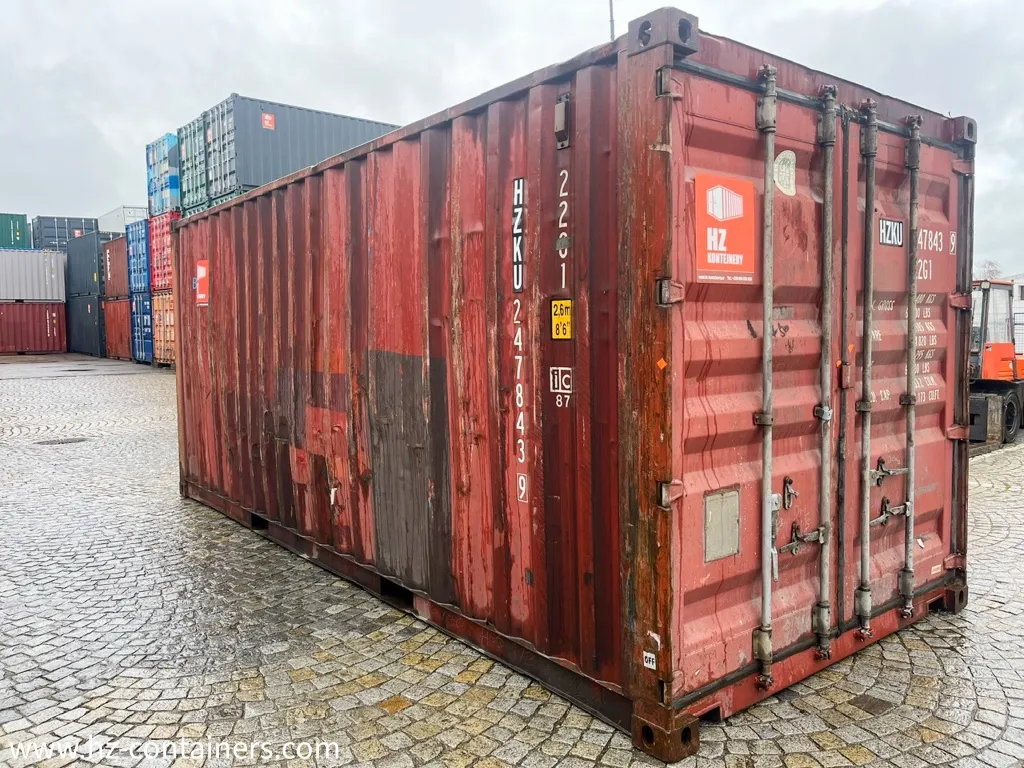
- Visible signs of wear, dents, surface corrosion
- Valid CSC label – requirement for international transport
- Structural integrity verified by inspection
Wind & Water Tight (WWT)
- Decommissioned from transport, but manufacturer/seller guarantees tightness
- May have more pronounced cosmetic defects, older paint
- Suitable for undemanding storage where certification is not required
AS IS
- Without any guarantee of technical condition
- May have structural defects, holes, extensive corrosion, non-functional doors
- Suitable only for DIY enthusiasts, scrap, or demanding repairs
Analysis and decoding of the AS IS 10, 5, 2 system
This system is internal marking by some sellers who want to offer customers better orientation within the highest-risk group. In practice it means:
Typical distinction of AS IS levels
| Designation | Expected Condition | Typical Defects | Recommended Use | Risks |
|---|---|---|---|---|
| AS IS 10 | Worst, often wreck | Leaky roof/walls, rotten floor, heavy corrosion | Scrap, cutting up | Extremely high, often uneconomical repairs |
| AS IS 5 | Medium, heavily worn | Minor holes, non-functional locks/doors, corroded corners | Repair project, cheap storage | Need for repair investment |
| AS IS 2 | Best within AS IS | Small cosmetic defect, local leakage, minor floor damage | Warehouse after repair, workshop | Possibility of quick renovation, but still without guarantee |
Practical example:
An AS IS 2 container may have one small hole in the wall that can be welded for a few hundred crowns – after repair it can serve for years. AS IS 10 is typically a corroded container with multiple structural defects, which is often only worth cutting up for steel sheets.
What to always verify before buying an AS IS container:
- Photo documentation of the actual piece (not illustrative photos)
- Description of all defects in writing
- Personal inspection if possible
- Possibility of payment only after delivery (so-called Pay on Delivery – POD)
Why assessment matters – Impact on purchase and operation
Importance of category for end user
- Price: Lowest for AS IS, highest for One-Trip. Differences can be several times.
- Lifespan: New containers last decades, heavily damaged AS IS can be written off within months.
- Safety: Verified CW container is safe for handling and loading, AS IS can pose a risk.
- Repair costs: For AS IS always count on the possibility that savings on purchase price will be “eaten” by repair investments.
Overview table of categories and their parameters
| Category | Condition | Watertightness | Certification | Suitable for | Lifespan | Price Level |
|---|---|---|---|---|---|---|
| One-Trip | Nearly new | Yes | Yes | Luxury purposes, long-term projects | 25–30 years | $$$$ |
| CW | Used, structurally solid | Yes | Yes | Export, heavy storage | 15–20 years | $$$ |
| WWT | Older, cosmetic defects | Yes | No | Warehouse, workshop | 10–15 years | $$ |
| AS IS 2 | Small defects, repairable | No (easily repairable) | No | Warehouse after repair, projects | 10+ years | $ |
| AS IS 5 | More defects, intervention needed | No | No | Cheap project, workshop | Variable | $ |
| AS IS 10 | Wreck | No | No | Scrap, demolition | Very low | $ (lowest) |
Related standards and terms
- CSC label (Convention for Safe Containers): Mandatory certificate for containers intended for export, documenting strength and safety.
- IICL (Institute of International Container Lessors): Establishes the strictest standards for container condition (IICL6 = nearly new, IICL5 = repeatedly used).
- BIC code: Global identifier for each container, allows traceability of history and owner.
- Container inspection: Performed by certified companies according to applicable standards, especially for CW and higher categories.
Frequently Asked Questions (FAQ)
Are the abbreviations AS IS 10, 5, 2 standardized?
No, this is internal marking that may differ between different sellers. Always request an explanation and detailed description of the condition.
How do I know if a container is really WWT or CW?
Require a valid CSC label (for CW), or a written guarantee of tightness, or personally test the tightness of the doors and condition of the floor.
How long does a WWT container last?
With proper maintenance (dry base, paint repairs, regular inspections) 10–15 years or longer.
Why not buy the cheapest AS IS 10 without thinking?
Because repair costs and safety risks often exceed the savings on the purchase price.
Practical advice and recommendations
- Always request detailed photos of the actual piece, not illustrative images!
- Ask about the possibility of personal inspection or payment only after delivery (POD).
- If you are not an expert, avoid buying AS IS 10 and 5 – investment in repairs can be unbearable.
- For regular storage choose WWT, for export CW or One-Trip.
- For construction and architecture we always recommend investing in a higher category.
Choosing the right category of shipping container is key in terms of safety, lifespan and operational economics. The internal marking system AS IS 10, 5, 2 can help you navigate the differences between containers in the lowest category, but it never replaces thorough inspection of a specific piece. For the AS IS category always count on high risk and carefully consider whether it is suitable for your needs. For most common purposes it is worth investing one level higher – into WWT or CW.
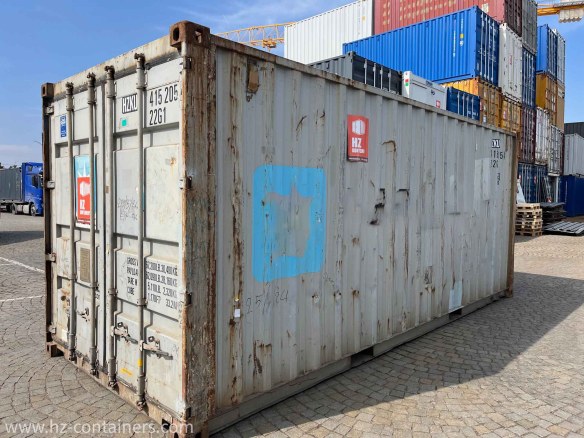
 Czech Republic, Nový Bor
  FREE SHIPPING