
The Wreck of the MV Rena
The Worst Maritime Disaster in New Zealand
On October 5, 2011, the container ship MV Rena, flying the Liberian flag, became involved in a disaster that went down in history as the worst maritime disaster in New Zealand. This ship, built in 1990 and with a capacity of 3,500 TEU (47,230 DWT), struck the Astrolabe Reef, approximately twenty kilometers off the coast of Tauranga on the North Island.
The Course of the Accident
In the early hours of October 5, 2011, the MV Rena, with 1,368 containers on board, ran aground on the Astrolabe Reef. This reef is known for its rich fauna and flora, including colonies of dolphins, whales, seals, and penguins. The collision caused extensive coastal pollution as heavy fuel oil began leaking from the ship and containers fell into the sea.
Environmental Impact
The leak of heavy fuel oil and other hazardous substances from the containers had a devastating impact on the local ecosystem. The contamination affected a wide area of coastline, leading to the death of many marine animals and the destruction of their natural habitats. Authorities and volunteers immediately engaged in rescue efforts and coastal cleanup to minimize the damage.
Response and Measures
Maritime New Zealand took control of the response to the disaster, including operations at sea and on the shore. A number of vessels and aircraft were deployed to attempt to capture oil leaks and prevent further contamination. It was also necessary to coordinate the removal of wreckage and rescue operations to minimize further environmental damage.
Long-term Consequences
Even years after this disaster, some effects of the pollution remain evident. Ecologists and scientists continue to monitor the area to track the recovery of the ecosystem and assess the long-term impacts. This event also led to a reassessment of safety measures and procedures for maritime transport in the area to prevent similar incidents in the future.
Economic Impacts
The accident also had significant economic consequences. The Tauranga port, which is a key hub for the export of timber and other commodities, had to face operational disruptions. The costs of cleanup and wreck removal were considerable, and financial losses affected both the ship’s owner, the Greek company Costamare Shipping, and the charterer, Mediterranean Shipping Company (MSC).
The Legacy of MV Rena
The wreck of the MV Rena serves as a stark warning about the risks of maritime transport and the importance of safety measures. This event demonstrated how fragile the ecosystem is and how quickly it can be destroyed by human activity. The challenges associated with the recovery of this area highlight the need for ongoing research and investment in the protection of our oceans.
Other container news...
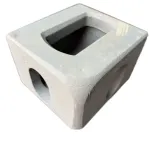
Corner casting steel vs aluminum
Every shipping container in the world — all 40 million of them — rests on eight critical components. Corner castings are the load-bearing blocks at each corner of an ISO shipping container, and they are the universal interface between the container and every crane, twistlock, spreader, and chassis on the planet. When you lift a container, stack it nine high on a ship, or lock it to a truck trailer, every ton of force flows through these fittings.

Construction cabin – selection, tips, dimensions and prices
Every construction project – whether a family house, a development project or a reconstruction – starts with the infrastructure. No construction manager, craftsman or investor who needs an on-site office, a changing room for workers or a safe storage for tools can do without a quality construction cell. But navigating the offer is not easy: residential containers, sanitary cells, storage modules, rental, purchase, refurbished pieces… This guide will give you answers to all the essential questions in one place.
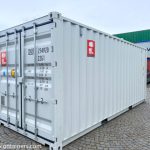
Storage container
A storage container is a lockable steel box designed for the safe and dry storage of materials, tools, goods or equipment. Originally created as a shipping container for maritime transport, its durability and versatility have found their way onto construction sites, corporate premises and private land.
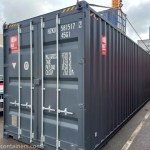
Shipping container 12m (40 ft)
A 12m shipping container is an investment that, if properly selected and cared for, will pay off in decades of trouble-free use. Whether you plan to use it as a warehouse, workshop, garage or the basis for a residential module — the key is careful selection of the condition, a thorough inspection before purchase and high-quality preparation of the base for placement. Take the time to compare offers, check the seller’s references and do not hesitate to personally inspect the container before buying. A properly selected 40-foot container will serve you reliably for many years.