
Marine Grade Plywood – Shipping Container Floor
Marine Grade Plywood is a prestigious building material designed for extreme conditions where maximum resistance to moisture, water and biological pests is required. Its unique position among plywood types lies not only in the wood species and adhesives used, but especially in precise construction and strict manufacturing standards. Marine Grade Plywood is the only type of plywood approved for long-term contact with water and even permanent submersion, making it the material of choice for shipbuilding, docks, port structures, as well as luxury exterior or interior projects in demanding conditions.
Why is not every plywood “water-resistant”?
The fundamental difference lies in the fact that wood itself is never completely waterproof. In standard plywood, moisture can penetrate the porous structure of the wood or through imperfections in construction and internal cavities. Marine Grade Plywood, however, is designed to minimize any water penetration – not only through the use of special phenol-formaldehyde (WBP) adhesives, but also through the absence of internal cavities, defects and through careful selection of hardwoods that are naturally resistant to rot and mold.
Key Properties of Marine Grade Plywood
The following characteristics make marine grade plywood an irreplaceable material for extreme environments:
Water Resistance and Weather Resistance
- 100% water-resistant adhesive (WBP): Phenol-formaldehyde resins (WBP – Weather and Boil Proof) create extremely durable bonds that do not degrade even after prolonged exposure to moisture, rain, salt water or even boiling.
- Non-porous surface and absence of cavities: The veneer layers are pressed so that there are no gaps or pockets in the final material that could retain water and cause rot.
- Immunity to swelling and delamination: Due to quality manufacturing and bonding, there is no layer separation even under cyclic water stress.
Extreme Strength, Toughness and Structural Integrity
- Cross-lamination: Veneers are laid perpendicular to each other, ensuring strength in all directions and preventing twisting, splitting and deformation.
- High number of thin layers: Compared to standard plywood, marine grade plywood has more layers, which increases its density and strength.
- Flexibility and bending capability: Due to its construction, marine grade plywood can be easily shaped (for example for ship hulls, arches, etc.) without losing strength or cohesion.
Quality of Wood Species Used
- Hardwood with natural resistance: Douglas fir, western larch, okoume, meranti or other tropical wood species are most commonly used. These types are not only strong, but also resistant to fungi, mold and biological decay.
- Selected veneers without defects: Each layer is carefully sorted and must not contain knots, cracks, resin pockets or other defects that would compromise panel integrity.
Resistance to Termites and Pests
- Vacuum impregnation and special treatments: Some manufacturers additionally treat plywood under reduced pressure, which increases resistance to wood-eating organisms.
Surface Quality
- Surface grades (A, B): The highest grade A means a perfectly smooth surface without any defects, suitable for visible and design applications. The surface is always sanded and prepared for finishing.
Manufacturing of Marine Grade Plywood: Detailed Process
Manufacturing of marine grade plywood is a process that is substantially more demanding than standard boards.
Selection and Preparation of Raw Materials
- Emphasis on healthy logs: Only perfectly healthy and straight logs of selected wood species are used, which are then steamed to facilitate peeling.
- Peeling into thin veneers: Veneers have precise thickness (often from 1.2 mm), which allows a higher number of layers while maintaining strength.
Drying, Sorting and Quality Control
- Controlled drying: Veneers are dried to optimal moisture (approximately 8–12%), which ensures dimensional stability and eliminates the risk of swelling.
- Optical and machine sorting: Each veneer is inspected for the absence of defects, knots are minimal or completely prohibited.
Stacking and Gluing
- Cross-stacking of layers: Each layer is oriented 90° to the previous one, which maximizes strength.
- Application of phenol-formaldehyde adhesive: Every other veneer is coated with a layer of WBP adhesive, which is activated by heat and pressure during pressing.
Pressing and Stabilization
- Hydraulic pressing at high temperatures: The process takes place under pressure up to 1.2 MPa and at temperatures around 140–150 °C, ensuring perfect curing of the adhesive and bonding of layers.
- Vacuum treatment: Some premium products undergo vacuum impregnation against biological pests.
Final Finishing
- Formatting, sanding and inspection: Final boards are cut to standard sizes (e.g. 1220×2440 mm), the surface is sanded and each piece undergoes final inspection, including thickness measurement, strength and possibly ultrasonic inspection of internal structure.
Certifications, Standards and Marking
When purchasing marine grade plywood, it is absolutely essential to verify that the product meets one of the following internationally recognized certifications:
| Certification | Description and Significance |
|---|---|
| BS 1088 | British standard for marine grade plywood; sets precise requirements for wood species, adhesive, absence of cavities and mechanical properties. |
| Lloyd’s Register | Certification for shipbuilding, confirms the highest level of quality and suitability for demanding marine applications. |
| APA Marine Grade | American standard, guarantees the use of hardwood, WBP adhesive and absence of internal defects. |
Warning: Plywood without these certifications may only be exterior or imitations that do not meet the requirements for permanent contact with water!
Differences Between Marine Grade, Exterior and Standard Plywood
Below you will find key differences according to the most important parameters:
| Parameter | Marine Grade Plywood | Exterior Plywood | Standard Plywood |
|---|---|---|---|
| Adhesive | WBP, 100% water-resistant | Water-resistant, not for permanent submersion | Interior, not water-resistant |
| Wood Species | Hardwood, resistant to rot | Soft and hard, lower selection | Mostly softwood |
| Internal Cavities | None | May be present | Common |
| Surface | Smooth, without defects | Less demanding | Defects allowed |
| Structure Lifespan | >30 years | 10–20 years | 5–10 years |
| Price | Highest | Medium | Lowest |
| Typical Use | Ships, piers, bathrooms, terraces | Roof formwork, exterior cladding | Furniture, interior partitions |
Classes and Types of Marine Grade Plywood
- Class A–A: Highest aesthetic and technical quality, both sides without defects, suitable for visible applications.
- Class A–B: One side A (smooth, clean), other side B (minor defects), more economical variant.
- HDO and MDO Plywood: Special surface with resin treatment for maximum water resistance and lifespan, typically used for concrete formwork or industrial floors.
Practical Use of Marine Grade Plywood
Marine grade plywood is extremely versatile, however its use is appropriate especially everywhere else materials fail:
- Marine industry: Ship hulls and decks, yacht interiors, kayaks, canoes.
- Water structures: Piers, walkways, docks, pontoons, coastal architecture.
- Exterior applications: Terraces, raised beds, outdoor furniture, structures exposed to rain and moisture.
- High-humidity interiors: Bathrooms, shower enclosures, laundry room floors, substrates under tiles.
- Special projects: Skateparks, climbing walls, vehicle floors, concrete formwork where extreme strength and lifespan are required.
Advantages and Disadvantages of Marine Grade Plywood
Advantages
- Maximum water resistance and long lifespan: With proper installation and maintenance, it can last several decades.
- Structural stability: Does not crack, twist, warp, resists loads even in extreme conditions.
- Resistance to pests and mold: Due to wood quality and possible vacuum impregnation.
- Aesthetics: Smooth, quality surface allows luxury finishing even in design applications.
- Processing flexibility: Possibility of bending, milling, drilling without risk of delamination or cracking.
Disadvantages
- Higher purchase price: Initial investment is significant, but given the lifespan it pays off in the long term.
- Greater weight: Compared to standard plywood, it is heavier, which may be limiting for some applications.
- Limited availability: Not always in stock in common hobby stores, usually necessary to order from specialized retailers.
- Ecological footprint: Manufacturing using phenol-formaldehyde adhesives, although modern products have formaldehyde emissions minimized.
Lifespan, Maintenance and Recommendations for Proper Use
Lifespan
With proper application and regular maintenance (especially when used outdoors), marine grade plywood can serve 30 years or more. Key is proper treatment of edges and surfaces (e.g. epoxy or polyurethane coatings) and prevention of prolonged contact with standing water.
Maintenance
- Regular inspection of surface coatings: Keep the protective layer in good condition, especially on edges and joints.
- Immediate repair of mechanical damage: Surface scratches and abrasions should be sealed and repainted as soon as possible.
- Ventilation and drainage: If the board is built in, ensure it can dry and is not permanently in a humid environment.
How to Select the Right Marine Grade Plywood?
When selecting, it is important to consider:
- Certification and material origin: Always request a declaration of conformity and verify the certification stamp.
- Thickness and number of layers: The more layers, the higher the strength and lifespan.
- Surface grade: For visible applications choose A–A, for structural purposes A–B is sufficient.
- Wood species: Okoume is ideal for shipbuilding due to low weight, Douglas fir and larch for robust structures.
- Consult with an expert: In case of uncertainty, contact a specialized retailer who will recommend the appropriate type for your project.

 Czech Republic
  WITHOUT SHIPPING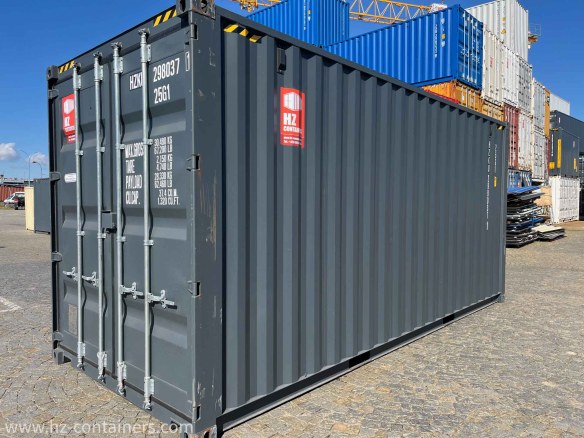
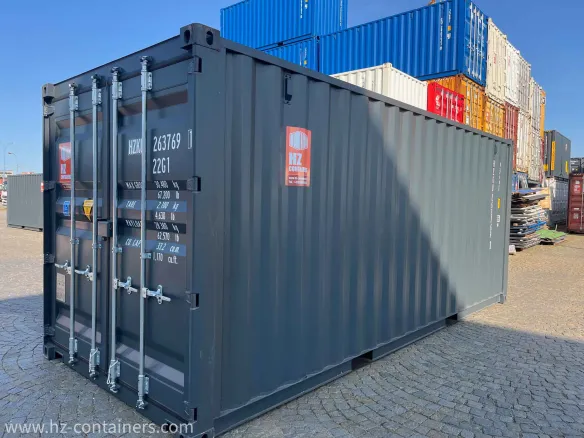

Other container news...
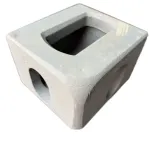
Corner casting steel vs aluminum
Every shipping container in the world — all 40 million of them — rests on eight critical components. Corner castings are the load-bearing blocks at each corner of an ISO shipping container, and they are the universal interface between the container and every crane, twistlock, spreader, and chassis on the planet. When you lift a container, stack it nine high on a ship, or lock it to a truck trailer, every ton of force flows through these fittings.

Construction cabin – selection, tips, dimensions and prices
Every construction project – whether a family house, a development project or a reconstruction – starts with the infrastructure. No construction manager, craftsman or investor who needs an on-site office, a changing room for workers or a safe storage for tools can do without a quality construction cell. But navigating the offer is not easy: residential containers, sanitary cells, storage modules, rental, purchase, refurbished pieces… This guide will give you answers to all the essential questions in one place.
Storage container
A storage container is a lockable steel box designed for the safe and dry storage of materials, tools, goods or equipment. Originally created as a shipping container for maritime transport, its durability and versatility have found their way onto construction sites, corporate premises and private land.
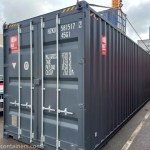
Shipping container 12m (40 ft)
A 12m shipping container is an investment that, if properly selected and cared for, will pay off in decades of trouble-free use. Whether you plan to use it as a warehouse, workshop, garage or the basis for a residential module — the key is careful selection of the condition, a thorough inspection before purchase and high-quality preparation of the base for placement. Take the time to compare offers, check the seller’s references and do not hesitate to personally inspect the container before buying. A properly selected 40-foot container will serve you reliably for many years.