
Container fire safety
Fire resistance of containers depends on their construction and the materials used, which aim to minimize the spread of fire and ensure safe storage of contents in case of a fire. There are several ways to achieve fire resistance in containers:
Materials and construction: Fire-resistant containers can be made from durable materials such as special steel or concrete, which can withstand high temperatures. The container’s design can also be optimized to minimize connections that could spread fire.
Protective coatings and insulation: The use of special protective coatings and insulation can increase the fire resistance of containers. These layers can protect materials from high temperatures and reduce the risk of fire breaking out in the container.
Additional elements: Additional elements, such as fire extinguishers, fire detectors, or automatic extinguishing systems, can be added to protect the contents of the container. These elements can quickly respond in case of a fire and minimize its impact on the container’s contents.
FIRE SAFETY OF SHIPPING CONTAINERS
Fire resistance of containers is an important factor in the storage and transportation of flammable or hazardous materials. Ensuring that containers can withstand high temperatures and minimize the risk of fire spread contributes to the protection of property and worker safety. When selecting fire-resistant containers, it is important to consider the needs and requirements of the specific use to ensure optimal protective measures.

Other container news...
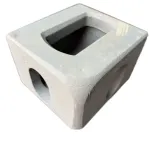
Corner casting steel vs aluminum
Every shipping container in the world — all 40 million of them — rests on eight critical components. Corner castings are the load-bearing blocks at each corner of an ISO shipping container, and they are the universal interface between the container and every crane, twistlock, spreader, and chassis on the planet. When you lift a container, stack it nine high on a ship, or lock it to a truck trailer, every ton of force flows through these fittings.

Construction cabin – selection, tips, dimensions and prices
Every construction project – whether a family house, a development project or a reconstruction – starts with the infrastructure. No construction manager, craftsman or investor who needs an on-site office, a changing room for workers or a safe storage for tools can do without a quality construction cell. But navigating the offer is not easy: residential containers, sanitary cells, storage modules, rental, purchase, refurbished pieces… This guide will give you answers to all the essential questions in one place.
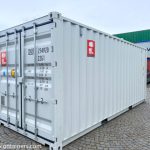
Storage container
A storage container is a lockable steel box designed for the safe and dry storage of materials, tools, goods or equipment. Originally created as a shipping container for maritime transport, its durability and versatility have found their way onto construction sites, corporate premises and private land.
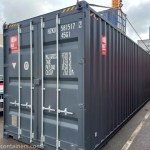
Shipping container 12m (40 ft)
A 12m shipping container is an investment that, if properly selected and cared for, will pay off in decades of trouble-free use. Whether you plan to use it as a warehouse, workshop, garage or the basis for a residential module — the key is careful selection of the condition, a thorough inspection before purchase and high-quality preparation of the base for placement. Take the time to compare offers, check the seller’s references and do not hesitate to personally inspect the container before buying. A properly selected 40-foot container will serve you reliably for many years.