
Cases of Illegal Migration in Shipping Containers
Phenomenon of Illegal Migration in Containers
Cases of illegal migration in shipping containers represent an extremely dangerous form of border crossing, where people are hidden in hermetically sealed cargo spaces – most commonly in steel shipping containers, refrigerated vans, tankers, freight wagons or trucks. This phenomenon is closely linked to the activities of international smuggling networks and organized crime. Migrants who resort to this method are often motivated by desperation, the lack of legal migration options, and often also misinformation from smugglers.
Characteristics and Methods of Execution
Types of Transport Spaces
| Transport space type | Use and Risks |
|---|---|
| Standard shipping containers | Common steel boxes (20’ or 40’), completely sealed, without ventilation or light. Rapid oxygen consumption, risk of suffocation, extreme temperatures. |
| Refrigerated trailers | Can be turned off (risk of overheating) or set to very low temperatures (risk of hypothermia). Frequent false promise of a “comfortable” environment. |
| Truck trailers and tankers | People placed among cargo or in modified hideouts. High risk of injury, limited access to oxygen. |
| Railway wagons (boxcars) | Used on longer routes, often without access to ventilation or sanitary facilities. |
Technical Aspects of Shipping Containers
- Standard ISO containers have dimensions 20 ft (6.058 m) × 8 ft (2.438 m) × 8.5 ft (2.591 m) or 40 ft (12.192 m) × 8 ft × 8.5 ft, payload up to 28 tonnes.
- Hermetic sealing and sturdy construction prevent the escape of sound and odor, making detection of migrants inside more difficult.
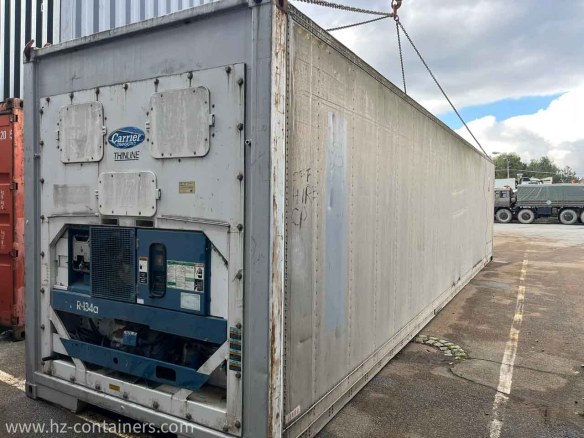
- Refrigerated containers (reefer containers) are intended for food transport, have strong insulation, but when cooling is turned off they become “ovens”.
Conditions During Transport
- Rapid oxygen consumption (within a few hours the concentration can become life‑threatening).
- Summer temperatures in a metal container commonly exceed 50 °C, winter temperatures drop far below zero.
- No access to food, water, sanitary facilities.
- Risk of infection spread, dehydration, hyperthermia/hypothermia, psychological breakdown.
- Migrants are often cramped in tight spaces, increasing the number of deaths in accidents.
Migrant Motivation and Role of Desperation
Main Reasons Why People Risk Their Lives in a Container
- Economic reasons: extreme poverty, unemployment, lack of opportunities in the home country.
- Escape from war and persecution: conflicts, political persecution, ethnic cleansing.
- Desire for a better life: misinformation about a “easy and safe” border crossing.
- Extortion and debts: migrants often owe smugglers large sums, increasing their vulnerability.
Human Smuggling and Organized Crime
Structure of Smuggling Networks
- Decentralized networks: include recruiters, transporters, “safe house” managers, intermediaries in destination countries.
- Financial model: migrants pay €3–15 k (depending on route and “comfort”), payments often in multiple stages.
- Profitability: human smuggling is the second most lucrative criminal business worldwide (after drug trafficking).
- Linkage to other crime: smuggling profits often fund drug, weapons trade or forced prostitution.
Terminology Distinctions
| Term | Meaning |
|---|---|
| Human Smuggling | Illegal border crossing for a fee, usually based on an “agreement” between migrant and smuggler. Crime against the state. |
| Human Trafficking | Exploitation of a person for forced labor, prostitution, etc., often with elements of coercion, deceit or violence. Crime against the individual. |
Detection of Migrants in Containers: Methods and Technologies
Most Commonly Used Technologies
- Heartbeat detectors (e.g., Avian Heartbeat Detector, Geovox Security Inc.): sensitive microphones detect micro‑vibrations caused by the heartbeats of persons hidden in a container.
- X‑ray scanners (e.g., HCV mobile, Smiths Detection): allow “seeing through” the interior of a container and reveal cargo anomalies.
- CO₂ sensors: measure elevated carbon dioxide levels indicating the presence of living organisms.
- Thermal imaging (thermal cameras from Dräger Safety AG & Co.): detects heat signatures of persons even in sealed spaces.
- Dogs trained to locate living persons.
- Handheld and stationary scanners, motion analyzers, acoustic microphones.
Security Measures in Ports and Terminals
- Random and targeted inspections of containers based on risk analysis.
- High‑capacity scanning equipment in major European ports (Rotterdam, Hamburg, Antwerp, Zeebrugge).
- Cooperation with customs and border agencies: information sharing between states, use of Europol and Interpol databases.
Real Cases and Case Studies
Selection of Notable Incidents
Tragedy in Essex, United Kingdom (October 2019)
- In a refrigerated trailer, 39 dead Vietnamese migrants were found. Investigation uncovered a European smuggling network that was subsequently dismantled. This case significantly impacted the UK and European debate on illegal migration.
San Antonio, Texas, USA (June 2022)
- In an abandoned truck trailer, 53 dead migrants from Mexico, Guatemala and Honduras were found. Deaths were caused by dehydration and overheating.
Rosslare, Ireland (January 2024)
- 14 rescued (including children) from a refrigerated container on a ferry from Belgium. Rescue was enabled by a phone call from one of the desperate women inside.
Hull, United Kingdom (March 2020)
- In the port, 10 Eritrean migrants were discovered in a container from Belgium. The case revealed a high‑risk route across the North Sea.
Acayucan, Mexico (July 2022)
- Over 100 migrants found in an abandoned freight container on a highway. They had to force a way out to avoid suffocation.
Golden Venture, USA (1993)
- Famous case of smuggling 286 Chinese migrants on the ship Golden Venture, which wrecked near New York.
Statistics and Trends
Europe and Czech Republic in Numbers (2023)
- Total illegal arrivals to Europe (Mediterranean): 71,561 migrants (Q4/2023) – most routes do not involve containers, but trucks and ships are significant vectors.
- Number detained during transit illegal migration in the Czech Republic: 4,742 persons (2023), 78 % less than 2022 (due to heightened border measures).
- Total persons secured by the foreign police in the Czech Republic: 13,898 (illegal residence and transit migration).
- Number of discovered container transport cases in Europe: dozens to hundreds annually, with an average of 5–40 victims per case.
Source: Quarterly migration report, Ministry of the Interior Czech Republic 2023; Frontex; BBC; Europol.
Legal, Security and International Consequences
Legal Penalties
- Crime of human smuggling: In the Czech Republic up to 8 years imprisonment, up to life imprisonment if deaths occur.
- Migrants as victims: Most survivors are detained, may apply for asylum or are deported; often they are key witnesses in criminal proceedings against smugglers.
International Cooperation and Prevention
- Coordination of police and customs authorities: Europol, Interpol, Frontex, data sharing, joint operations.
- Increased checks at borders and ports: use of high‑tech detection systems, higher frequency of random inspections.
- Information campaigns in origin countries: warning about risks and lethal consequences of container journeys.
- Addressing root causes: development projects, support for stability in migrants’ countries of origin.
Key Terms and Terminology
| Term | Explanation |
|---|---|
| Illegal migration | Crossing borders without permission, often with the help of smugglers. |
| Shipping container | Standardized steel box for intermodal cargo transport. |
| Human Smuggling | Organized transport of persons for a fee across borders. |
| Human Trafficking | Exploitation of persons for forced labor, prostitution, etc. |
| Heartbeat detector | Technology used to detect hidden persons in containers. |
| Inside cargo | Term for hiding persons among cargo. |
| Safe house | Temporary hideout on migration route. |
| MDA (Maritime Domain Awareness) | Comprehensive monitoring of the maritime domain, crucial for port security. |
Security Measures and Prevention
Technological Measures
- Mobile X‑rays, thermal imaging, CO₂ and heartbeat detectors: technologies enabling rapid and effective container inspection.
- Automated monitoring systems in ports: connection to global security databases.
- Security staff training: raising awareness of risks and warning signs.
Legislation and Penalties
- Tougher penalties for smuggling and human trafficking.
- Possibility of international prosecution of perpetrators.
- Obligation for logistics companies to report suspicious shipments.
 Czech Republic, Třebíč
  FREE SHIPPING
Other container news...

New sea shipping containers
If you are currently considering purchasing a new shipping container, you are not alone. While just twenty years ago containers were used almost exclusively for maritime transport, today they have found their way into construction, storage, business, and even housing. This growing popularity brings with it a host of questions: Which type should you choose? How much does it cost? How do you recognize quality? How can you avoid falling victim to scammers?
New shipping containers
If you are currently considering purchasing a new shipping container, you are not alone. While just twenty years ago containers were used almost exclusively for maritime transport, today they have found their way into construction, storage, business, and even housing. This growing popularity brings with it a host of questions: Which type should you choose? How much does it cost? How do you recognize quality? How can you avoid falling victim to scammers?

6m shipping container
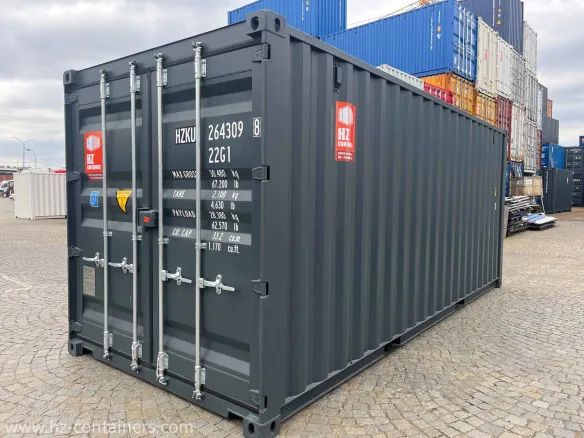
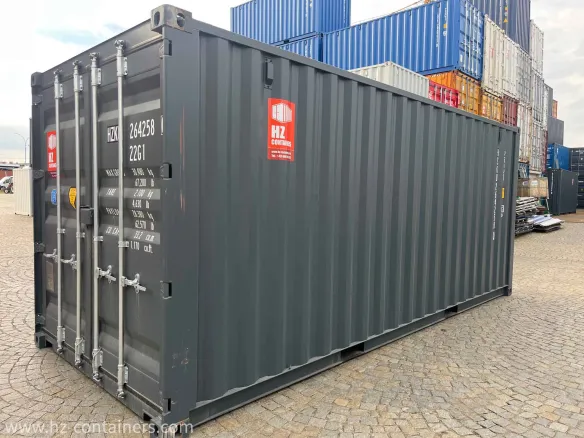
Are you thinking about buying a 6-meter shipping container but aren’t sure what to look for? You are not alone—this 20-foot container is the best-selling size on the Czech market, and the differences between various types, conditions, and prices can be significant. In this guide, you will find everything you need to know: from exact dimensions and a comparison of categories (such as “one-way,” refurbished, and “Cargo Worthy”) to current prices and shipping advice.
Corner casting steel vs aluminum
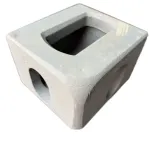
Every shipping container in the world — all 40 million of them — rests on eight critical components. Corner castings are the load-bearing blocks at each corner of an ISO shipping container, and they are the universal interface between the container and every crane, twistlock, spreader, and chassis on the planet. When you lift a container, stack it nine high on a ship, or lock it to a truck trailer, every ton of force flows through these fittings.