
What is a container depot?
In a globalised world where millions of tonnes of goods move every second, container depots (abbreviated ICD – Inland Container Depot) are the backbone of efficient logistics. These specialised facilities play a key role in the management, maintenance and movement of containers, and thanks to technological development they are turning into modern logistics hubs of the future.
Definition and basic purpose of a container depot
Container depot is a secured logistics area intended for storage, management, maintenance, repairs and preparation of shipping containers at times when they are not being used for cargo transport. Depots can be located in ports (port‑based depots) or inland (ICD – Inland Container Depots, also called “dry ports”).
Main purposes of a container depot:
- Safe storage (temporary or long‑term) of empty or full containers
- Professional record‑keeping, movement control and condition monitoring of each container
- Provision of repairs, maintenance and cleaning (including reefer – refrigerated containers)
- Administrative and customs procedures (especially at ICDs)
- Trade in used containers (sale, rental, recycling)
Important distinction:
| Term | Location | Main function |
|---|---|---|
| Container depot | Port / ICD | Storage, maintenance, management of empty containers |
| Container terminal | Port | Transshipment and handling of full containers |
| Port | Coast | Complete infrastructure for sea transport |
Structure and operation of a container depot
Key zones and infrastructure
Each modern depot is divided into several strategic zones:
- Entry/exit gates: Control the movement of containers and vehicles, often equipped with RFID or camera systems for increased security.
- Storage area: The largest part of the depot. Containers are stacked 4–7 tiers high, depending on type and condition. Stacking is performed with reach stackers, portal cranes or forklift trucks. Modern depots use software optimisation to arrange containers for quick access and minimal movements.
- Service workshops: Equipped for repairs (welding, panel replacement, floor repairs, door sealing), inspections and cleaning. Refrigerated containers have electrical connections for testing the cooling units.
- Administrative building: Offices for record‑keeping, customer service and container flow management, including digital Depot Management Systems.
- Special zones: For hazardous goods (IMO class storage) or areas with electrical supplies for reefer containers.
Practical example
The Container depot in Třebíč (HZ CONTAINERS) combines storage and service functions with the possibility to purchase or rent various container types, including special designs for industry or construction.

Main functions and services of a container depot
1. Storage and inventory management
- Movement optimisation: The depot balances global container flows (surplus in some places, shortage of empty containers in others).
- Security: Storage areas are continuously guarded, monitored by cameras, often fenced and with controlled entry points.
- Digital records: Modern management systems enable online tracking of every unit, planning of moves and sending notifications to customers.
2. Maintenance, inspection and repairs
- International standards: Inspections and repairs follow IICL, ISO or CSC (International Convention for Safe Containers) standards.
- Maintenance process:
- Inspection: Check structural integrity, tightness, floor, doors and markings.
- Cleaning: Removal of dirt, cargo residues or contaminants. Food‑grade or pharmaceutical containers require special sanitation.
- Repairs: Welding, sheet replacement, floor renewal, painting, seal and lock replacement.
- Reefer containers: Regular checks of cooling units, electrical systems and filter changes.
Technological trends:
- Automated inspection lines with AI for damage detection (scanners, cameras, machine learning).
- Some depots use robotic cleaning systems (especially in Asia).
3. Consolidation, de‑consolidation and cargo handling
- Consolidation (LCL): Smaller shipments from multiple customers are packed into one container to reduce costs.
- De‑consolidation (FCL): Upon arrival, cargo is split among individual recipients.
- Handling equipment: Reach stackers, portal cranes, forklift trucks and, increasingly, AGVs (Automated Guided Vehicles) for autonomous container movement on the yard.
4. Administration, record‑keeping and customs services
- Digital depot management systems (DMS) automate the issuance of receipt, issue and service protocols.
- Communication: Online portals for customers, direct links to freight forwarders, shipping lines and customs authorities.
- Customs clearance: At ICDs, customs zones allow import/export processing without visiting a seaport (“dry port”).
5. Trade, recycling and environmental aspects
- Sale of used containers: Depots are the main point for buying/selling decommissioned containers (for construction, storage, residential conversions).
- Recycling: Damaged containers are dismantled and their steel, wood and electronic parts are recycled.
- Eco measures: Some depots use solar power, rain‑water recycling or electric handling equipment.
Types of container depots by location and specialization
Port‑based depots
- Location: Very close to maritime ports.
- Focus: Rapid intake of returned empty containers, minimising dwell time in the port, preparation for new cargoes.
Inland depots (ICD, dry ports)
- Location: Near industrial and logistics centres, often linked to railway networks.
- Benefits:
- Reduce congestion at seaports.
- Speed up and lower the cost of import/export for inland companies.
- Act as intermodal hubs (road, rail, possibly inland waterway).
- Services: Include customs procedures, consolidation/unpacking, long‑term storage.
Technological development, automation and digitalisation
Depot Management System (DMS)
Modern depots implement sophisticated Depot Management Systems that provide:
- Real‑time tracking of every container’s location and condition (RFID, GPS).
- Automation of record‑keeping, repairs, movements, invoicing and customer requests.
- Integration with shipping portals, freight forwarders and customs systems.
Automation and robotics
- AGV (Automated Guided Vehicles): Driver‑less vehicles that move containers across the yard without human intervention.
- Automated stacking cranes (ASC): Fully automated stacking and retrieval of containers.
- AI inspection: Scanners and visual AI systems for rapid damage detection and repair planning.
Sustainability and ecology
- Use of renewable energy, especially solar panels on administrative and service buildings.
- Collection and recycling of rainwater for container washing.
- Introduction of electric or hybrid handling vehicles to cut emissions and noise.
Safety standards and certifications
- CSC (Container Safety Convention): Every container must carry a valid CSC plate (regularly inspected), guaranteeing structural safety for transport.
- ISO 6346: Standardised container identification enables easy tracking in global systems.
- IICL standard: Inspection and repair norms set by the Institute of International Container Lessors.
- Theft and vandalism protection: Physical security (fences, cameras, lighting, access cards) and software for incident monitoring.
Challenges, innovation and the future of container depots
Main challenges
- Lack of space in key locations (especially at port depots).
- Pressure to improve efficiency and reduce operating costs.
- Growing safety requirements (physical and cyber).
- Sustainability demands and the need to lower carbon footprints.
Innovation directions
| Trend / Innovation | Benefit for depot operation |
|---|---|
| Automation of handling | Faster movements, lower error rates, reduced costs |
| Digital documentation | Online tracking, accelerated administration |
| AI inspection | Faster damage detection, repair optimisation |
| Eco‑technologies | Lower operating costs, better ESG scores |
| Intermodal development (rail, road) | More efficient cargo flow, smaller environmental impact |
Practical example:
The new logistics centre at Ostbahnhof in Dresden (DB Cargo AG) is being built with a focus on ecology, digitalisation and automation of storage operations, aiming to become a model for logistics across Germany.
Frequently asked questions (FAQ)
Why are container depots essential for the supply chain?
They enable efficient rotation and availability of containers, limit delays, ensure maintenance and optimise logistics costs.
What is the difference between a depot and a terminal?
A terminal is a transshipment point for full containers; a depot is a service and storage centre for empty (and sometimes full) containers, usually offering a broader range of services and a stronger focus on maintenance.
Can a container be purchased directly at a depot?
Yes, most depots sell used containers for direct purchase – the advantage is the possibility of inspection and often a lower price than through intermediaries.
What safety and quality measures are applied?
Regular inspections according to international standards, digital record‑keeping, physical security, camera systems and a strong emphasis on environmental and occupational safety.
What is the future of depots?
Automation, greater digitalisation, ecological measures and expanded intermodal transport. Modern depots will increasingly function as fully digital, automated logistics nodes.
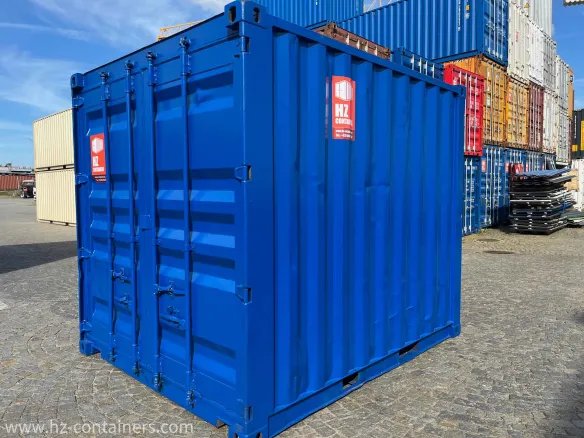
 Czech Republic, Ostrava
  FREE SHIPPING


Other container news...
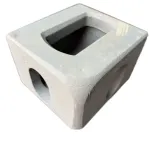
Corner casting steel vs aluminum
Every shipping container in the world — all 40 million of them — rests on eight critical components. Corner castings are the load-bearing blocks at each corner of an ISO shipping container, and they are the universal interface between the container and every crane, twistlock, spreader, and chassis on the planet. When you lift a container, stack it nine high on a ship, or lock it to a truck trailer, every ton of force flows through these fittings.

Construction cabin – selection, tips, dimensions and prices
Every construction project – whether a family house, a development project or a reconstruction – starts with the infrastructure. No construction manager, craftsman or investor who needs an on-site office, a changing room for workers or a safe storage for tools can do without a quality construction cell. But navigating the offer is not easy: residential containers, sanitary cells, storage modules, rental, purchase, refurbished pieces… This guide will give you answers to all the essential questions in one place.
Storage container
A storage container is a lockable steel box designed for the safe and dry storage of materials, tools, goods or equipment. Originally created as a shipping container for maritime transport, its durability and versatility have found their way onto construction sites, corporate premises and private land.
Shipping container 12m (40 ft)
A 12m shipping container is an investment that, if properly selected and cared for, will pay off in decades of trouble-free use. Whether you plan to use it as a warehouse, workshop, garage or the basis for a residential module — the key is careful selection of the condition, a thorough inspection before purchase and high-quality preparation of the base for placement. Take the time to compare offers, check the seller’s references and do not hesitate to personally inspect the container before buying. A properly selected 40-foot container will serve you reliably for many years.