
Terminal Handling Charges (THC) in European and Czech Ports
Terminal Handling Charges (THC)
are absolutely fundamental and often complexly structured items in international container transport. These are a set of charges that port terminal operators bill for handling containers and goods from the moment of entry into the port until its departure.
Main Functions of THC:
- Compensation for costs of specialized equipment, labor, and infrastructure.
- Ensuring smooth movement of containers (unloading, stacking, loading, administration, security).
- Coverage of operating costs including maintenance, equipment depreciation, and compliance with international standards (e.g., ISPS, environmental regulations).
THC represents an essential component of total transport costs, which has a fundamental impact on price calculation in the logistics chain, particularly for the Czech Republic, which is an inland state dependent on foreign European ports.
Detailed Analysis: What Does THC Include?
THC is not a uniform fixed charge, but consists of several individual items that can be structured differently depending on the port, type of goods, terminal, and carrier.
Services Included in THC:
| Service/Activity | Description and Technical Details |
|---|---|
| Unloading/Loading | Physical movement of containers between transport means (truck/train) and ship using portal cranes (STS cranes), reachstackers, RTG/RMG cranes. |
| Terminal Handling (Yard Handling) | Container movements within the depot, stacking into blocks, repositioning based on TOS (Terminal Operating System) requirements. |
| Temporary Storage | Includes so-called “free time” – free storage time within the terminal (usually 3–7 days). After exceeding this period, demurrage is charged. |
| Infrastructure and Equipment Utilization | Costs for maintenance and depreciation of equipment (cranes, tractors, handling platforms), infrastructure (quays, railway tracks, storage areas). |
| Administration and Security | Processing of transport documents, container movement records, implementation of security measures according to ISPS, camera systems, control of entries and exits. |
Specifics and Examples from Foreign Ports:
- For example, in Rotterdam, THC is divided according to container type and specific terminal (see port websites or Hapag-Lloyd overviews).
- Some ports include a quay usage fee (wharfage) in THC, elsewhere this is charged separately.
What is NOT Included in THC?
It is essential to distinguish THC from other charges that may be part of transport costs:
- Demurrage: Charge for exceeding the free storage period of a full container at the port.
- Detention: Charge for late return of an empty container to the carrier.
- Wharfage: In some ports included in THC, in others a separate item.
- Customs Charges and Inspections: Costs for customs procedures, possible physical inspection of goods.
Types of Terminal Charges
THC can be divided according to the transport phase:
| Type of Charge | English Term | Description |
|---|---|---|
| Origin THC | Origin Terminal Handling Charge (OTHC) | Charged at the port of origin – covers all handling from container receipt to its loading. |
| Destination THC | Destination Terminal Handling Charge (DTHC) | Charged at the port of destination – includes handling from container unloading from the ship to its handover for further transport. |
| Transshipment THC | Transshipment THC | Charged at a transit port when transferring a container from one ship to another. Often already included in the ocean tariff. |
Calculation and Structure of THC
Rates by Container Type
Rates most often differ according to container type and size:
| Container Type | Description | Rate (2024–2025, indicative in Europe) |
|---|---|---|
| 20′ Standard (20’DC) | Standard dry container | 220–275 EUR |
| 40′ Standard (40’DC/HC) | Double volume, often with surcharge | 280–330 EUR |
| Reefer (refrigerated) | Container with cooling | 320–400 EUR |
| OOG (Out of Gauge) | Oversized shipment (on flat rack, open top) | 400–600 EUR and more |
| HAZ/IMO | Hazardous goods (Hazardous/IMO) | +50–100% surcharge |
Note: Rates vary depending on the specific port, terminal, and carrier. Always verify current rates on the carrier’s website (e.g., Hapag-Lloyd, Maersk, MSC).
Factors Affecting THC Amount
- Geographic location and specific port – Differences are significant even within one country.
- Container type and size – Special containers (reefer, OOG, HAZ) always have significantly higher rates.
- Level of wage costs, automation, security, and environmental requirements – Developed Western European ports are more expensive.
- Agreements between shipping companies and terminals – Large volumes mean discounts that can be reflected in customer prices.
THC in European and Czech Ports: Comparison, Trends, Development
Key Ports for the Czech Republic
| Country | Port | Note |
|---|---|---|
| Germany | Hamburg, Bremerhaven | Most common choice, connection to Czech railways |
| Netherlands | Rotterdam | Largest European port, wide range of services |
| Belgium | Antwerp | Efficiency, modern technology |
| Slovenia | Koper | Alternative for Southeast Europe, trade with Asia |
| Italy | Trieste | Advantageous for some commodities, railway connection |
Comparative Table: Indicative THC (2024–2025)
| Port | 20’DC (EUR) | 40’DC (EUR) | Reefer (EUR) | OOG (EUR) |
|---|---|---|---|---|
| Hamburg | 260–275 | 280–320 | 350–400 | 400+ |
| Rotterdam | 240–260 | 270–300 | 340–390 | 400+ |
| Antwerp | 225–235 | 250–280 | 320–370 | 400+ |
| Koper | 180–210 | 220–260 | 250–320 | 350+ |
| Trieste | 190–230 | 220–270 | 250–330 | 350+ |
All amounts are indicative; verify current rates with your carrier!
Development and Trends in THC
- Rate Increases: In recent years, significant growth due to inflation, higher wage costs, investments in automation and environmental measures.
- New Surcharges (ETS, Green Charges): The European Union is introducing new charges related to greenhouse gas emissions, which gradually increase the total operating costs of ports and are reflected in THC.
Who Pays Terminal Charges? Role of Incoterms
Overview of Incoterms and THC Payment
| Delivery Term | OTHC Responsibility | DTHC Responsibility | Note |
|---|---|---|---|
| EXW | Buyer | Buyer | Complete responsibility on buyer’s side |
| FCA | Seller | Buyer | Seller delivers to agreed place |
| FOB | Seller | Buyer | Seller pays OTHC, buyer pays DTHC (most common) |
| CIF/CFR | Seller | Buyer | Seller pays ocean freight + OTHC, buyer pays DTHC |
| DAP/DDP | Seller | Seller | Seller arranges everything to place of destination |
Important: Incorrect application of Incoterms often leads to disputes over THC payment. Always have the offer specify in detail which charges are included and which are not!
How to Manage and Optimize THC Costs?

Recommendations for Czech Exporters and Importers
- Port and Terminal Selection: Compare not only THC, but also inland transport costs.
- Negotiation with Carriers and Forwarders: An experienced forwarder can offer better rates through volume contracts.
- Shipment Consolidation: For LCL shipments, unit costs can be reduced by consolidating into FCL.
- Efficient Planning: Try to minimize storage time at the port and avoid demurrage.
- Correct Incoterms Selection: Consider which term gives you greater control over costs (often FOB or FCA).
- Transparency and Invoice Control: Always request a detailed breakdown of costs, including THC.
Technical Aspects of Terminal Operations
Modern Technology in Ports
- Automation: Use of automatic cranes, AGV (Automated Guided Vehicles), drones for inventory.
- Terminal Operating Systems (TOS): Software control of container movement, stacking planning, minimizing downtime.
- Monitoring and Security: Camera systems, RFID container tracking, ISPS security protocols.
Impact of Environmental Trends on THC
- Ports are investing in environmental systems (electrification of cranes, green energy), which is reflected in higher charges.
- Introduction of carbon surcharges.
Practical Examples from Practice
Fictional Calculation for Export from Czech Republic to Asia (FOB Hamburg):
| Item | Rate/Charge (EUR) |
|---|---|
| THC Hamburg (OTHC, 20’DC) | 270 |
| Ocean Freight | 1350 |
| DTHC Shanghai (destination) | 120 |
| Demurrage (not used) | 0 |
| Total (excluding inland transport) | 1740 |
Note: In case of FCA or EXW agreement, some items would be paid by the buyer.
Frequently Asked Questions (FAQ)
What to do in case of a dispute over THC payment?
Always refer to the contract and clearly defined Incoterms. If THC is not explicitly stated in the offer, request a detailed breakdown from the carrier/forwarder.
Can THC be influenced?
Yes, by selecting the port, correct choice of Incoterms, volume contracts, and an experienced forwarder, optimization can be achieved.
Why is THC higher in Western Europe than in Asia?
The difference is due to higher wage costs, advanced technology, stricter environmental and safety regulations.
Who pays THC for LCL shipments?
THC is calculated according to the volume or weight of the shipment and included in the forwarder’s offer.

 Czech Republic, Vyškov
  FREE SHIPPING

Other container news...

New shipping containers
If you are currently considering purchasing a new shipping container, you are not alone. While just twenty years ago containers were used almost exclusively for maritime transport, today they have found their way into construction, storage, business, and even housing. This growing popularity brings with it a host of questions: Which type should you choose? How much does it cost? How do you recognize quality? How can you avoid falling victim to scammers?
New sea shipping containers
If you are currently considering purchasing a new shipping container, you are not alone. While just twenty years ago containers were used almost exclusively for maritime transport, today they have found their way into construction, storage, business, and even housing. This growing popularity brings with it a host of questions: Which type should you choose? How much does it cost? How do you recognize quality? How can you avoid falling victim to scammers?

6m shipping container
Are you thinking about buying a 6-meter shipping container but aren’t sure what to look for? You are not alone—this 20-foot container is the best-selling size on the Czech market, and the differences between various types, conditions, and prices can be significant. In this guide, you will find everything you need to know: from exact dimensions and a comparison of categories (such as “one-way,” refurbished, and “Cargo Worthy”) to current prices and shipping advice.
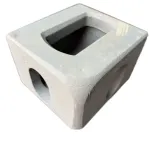
Corner casting steel vs aluminum
Every shipping container in the world — all 40 million of them — rests on eight critical components. Corner castings are the load-bearing blocks at each corner of an ISO shipping container, and they are the universal interface between the container and every crane, twistlock, spreader, and chassis on the planet. When you lift a container, stack it nine high on a ship, or lock it to a truck trailer, every ton of force flows through these fittings.