
Shipping Container HC Provides Approximately 13% More Volume
In the dynamic world of global logistics and international trade, the rule is: whoever masters optimization wins. A key role is played by utilizing every cubic centimeter of transport space – and it is precisely the shipping container High Cube (HC) that ranks among the most efficient tools of modern transport and storage. The statement that “High Cube provides approximately 13% more volume” is not just marketing – it is a fact that changes the decision-making of transporters, manufacturers, and architects. This article is a detailed glossary that explains why the HC container is so valuable in the modern world.
What is a Shipping Container High Cube (HC)?
Definition and Purpose
- High Cube container (abbreviated HC or HQ) is a special type of ISO intermodal container (i.e., suitable for transport by ship, train, and truck) that is structurally almost identical to a standard container (General Purpose, GP), but is higher.
- The standard height of a regular container is 8 feet 6 inches (2.59 m), while High Cube has 9 feet 6 inches (2.89 m) – thus 1 foot (approximately 30.5 cm) more.
- This height is crucial not only for logistics but also for construction and architectural purposes.
Construction and Materials
- Construction material: Highly durable Corten steel (resistant to corrosion and extreme weather conditions).
- Floor: Impregnated hardwood plywood (mostly from tropical hardwoods, thickness 28–30 mm), anchored to the steel frame.
- Frame: Robust welded steel structure with corner elements corner castings for easy handling by crane/forklift.
- Sealing: Doors are equipped with robust rubber seals that ensure watertightness and dustproofness.
- Standards: Must comply with strict construction and safety standards according to ISO (in particular ISO 668, ISO 1496) and be equipped with a valid CSC plate (Convention for Safe Containers), which is necessary for maritime transport.
Overview of High Cube Container Dimensions
Standardized Dimensions According to ISO
The most common variants are 20ft and 40ft High Cube. However, there are also 45ft and in America even 53ft HC containers.
40ft High Cube Container (40’HC)
| Specification | Metric Units | Imperial Units |
|---|---|---|
| Outer length | 12.19 m | 40′ |
| Outer width | 2.44 m | 8′ |
| Outer height | 2.89 m | 9′ 6″ |
| Inner length | 12.03 m | 39′ 5″ |
| Inner width | 2.35 m | 7′ 8″ |
| Inner height | 2.70 m | 8′ 10″ |
| Door opening height | 2.58 m | 8′ 5″ |
| Volume | 76.3 m³ | 2,694 cu ft |
| Empty weight (Tara) | approx. 3,900 kg | approx. 8,598 lbs |
| Maximum payload | approx. 28,600 kg | approx. 63,052 lbs |
20ft High Cube Container (20’HC)
| Specification | Metric Units | Imperial Units |
|---|---|---|
| Outer length | 6.06 m | 20′ |
| Outer width | 2.44 m | 8′ |
| Outer height | 2.89 m | 9′ 6″ |
| Inner length | 5.90 m | 19′ 4″ |
| Inner width | 2.35 m | 7′ 8″ |
| Inner height | 2.69 m | 8′ 10″ |
| Volume | 37.2 m³ | 1,316 cu ft |
| Empty weight (Tara) | approx. 2,315 kg | approx. 5,104 lbs |
| Maximum payload | approx. 28,160 kg | approx. 62,082 lbs |
Other Sizes
- 45ft HC: Suitable for extra-large shipments, often used in overseas container transport.
- 53ft HC: Most common in North America, especially for inland transport by rail and road.
Comparison: High Cube vs. Standard Container
| Feature | 40ft Standard (GP) | 40ft High Cube (HC) | Difference |
|---|---|---|---|
| Outer height | 2.59 m (8′ 6″) | 2.89 m (9′ 6″) | +30.5 cm (1′) |
| Inner height | 2.39 m (7′ 10″) | 2.70 m (8′ 10″) | +31 cm (1′) |
| Volume | approx. 67.7 m³ | approx. 76.3 m³ | +8.6 m³ (~13%) |
| Door height | 2.28 m (7′ 5″) | 2.58 m (8′ 5″) | +30 cm (1′) |
| Usage | Heavy, dense cargo | Light, bulky/tall cargo | – |
Why Exactly 13% More Volume?
- The volume increase is caused only by the increase in height, not by width or length.
- Calculation:
- 40’GP: 12.03 m × 2.35 m × 2.39 m ≈ 67.7 m³
- 40’HC: 12.03 m × 2.35 m × 2.70 m ≈ 76.3 m³
- Percentage increase: ((76.3 – 67.7) / 67.7) × 100 ≈ 12.7%
Technical Details and Load Capacity

Weight Limits
- Own weight (tara): HC containers are approximately 200–600 kg heavier than the same standard model (depending on manufacturer).
- Maximum gross weight: Determined by ISO standard and CSC plate (usually 30,480 kg for 40′ containers).
- Payload: May be slightly lower than standard containers due to higher own weight, but the difference is negligible in practice.
Floor and Doors
- Floor: 28–30 mm plywood, floor load capacity up to 7 tons per 1 m².
- Doors: High and wide, easy loading even for forklifts, possibility of full opening (270°).
Other Structural Elements
- Corner elements (corner castings): Standardized for stacking up to 9 layers during ship transport.
- Ventilation openings: Ensure moisture removal, minimize condensation.
- Anti-corrosion treatment: Coatings based on epoxy or polyurethane resins, lifespan often 20+ years.
When and Why Choose a High Cube Container?
Logistics Rules
- For light and bulky cargo: (furniture, textiles, high-height components, insulation materials, electronics) – HC container maximizes space utilization.
- For heavy, dense cargo: (bricks, tiles, metal parts, beverages) – standard GP container, because you will reach the weight limit before the volume limit anyway.
Practical Examples of Use
- Palletization: Same number of pallets on the floor as in standard, but ability to stack higher goods or two layers of higher pallets.
- Oversized goods: Technological equipment, building components, machine components – often only in HC.
- Construction and architecture: Residential containers, offices, pop-up shops, studios – higher clear height is essential.
Advantages of High Cube Containers
| Advantage | Description |
|---|---|
| +13% volume | Greater inner height, more space for goods and handling |
| Flexibility | Can transport oversized cargo, suitable for construction modifications (residential/office modules) |
| Cost savings | Ability to transport more goods in one container, lower costs per unit of transported product |
| Environmental benefit | Fewer containers in transport = less CO₂ per ton of goods, more efficient use of capacity |
| Comfort in residential buildings | After installation of insulation, flooring, and ceiling, still comfortable clear height (2.4–2.5 m) |
| Easy handling | Higher door opening, better access for forklifts, easy stacking |
| Modern design | In architecture, appears more spacious, airier, suitable for creative projects |
Standards and Certification
| Standard | Significance |
|---|---|
| ISO 668 | Basic dimensions and types of ISO containers |
| ISO 1496 | Technical requirements for construction and testing |
| CSC (Convention for Safe Containers) | Mandatory safety certification for international maritime transport |
| EN/ČSN | Supplementary European and Czech standards, especially for work safety and handling |
Use Beyond Standard Transport
Architecture & Construction
- Residential containers: Thanks to higher inner height, comfortable living can be realized, and even after installation of insulation and utilities, sufficient clear height remains.
- Mobile offices: Airier working environment, space for technical installations.
- Pop-up shops, cafes: Modern, attractive design, easy relocation to a new location.
- Studios, warehouses, workshops: Space for higher shelves, machines, material storage.
Special Applications
- Server rooms: ICT equipment requires space for air conditioning, cable channels.
- Sanitary modules: Shower and social containers with sufficient height for technical ceilings.
- Temporary school classrooms, laboratories: Easy interior modification due to higher height.
Market Trends (2024+)
- Growing demand: The HC container segment is among the fastest-growing on the global market, with year-on-year growth >6%.
- E-commerce effect: Increase in transport of light, bulky goods (electronics, furniture, packaging).
- Construction boom: Modular buildings, sustainable projects, creative architecture.
- Ecology and legislation: Emphasis on reducing CO₂ emissions and better use of transport capacity.
Frequently Asked Questions (FAQ)
Why is the volume of HC container approximately 13% larger?
Because the inner height is 31 cm greater than the standard, which with the same floor plan means an increase in volume from 67.7 to 76.3 m³ (for the 40ft variant).
Can I load more pallets into an HC container?
The number of pallets on the floor is the same (width and length are identical), but you can stack two layers of higher pallets or higher goods.
Is High Cube significantly more expensive than a standard container?
The difference in purchase price or rental is usually small (5–15%), in relation to the volume increase it is very advantageous.
What is the lifespan of an HC container?
With proper maintenance (coatings, seal repairs) typically 20+ years, in construction often even longer.
What are the main standards that an HC container must meet?
ISO 668 (dimensions), ISO 1496 (testing), CSC plate (safety certification for transport).

 Czech Republic, Prague
  WITHOUT SHIPPING

Other container news...

New shipping containers
If you are currently considering purchasing a new shipping container, you are not alone. While just twenty years ago containers were used almost exclusively for maritime transport, today they have found their way into construction, storage, business, and even housing. This growing popularity brings with it a host of questions: Which type should you choose? How much does it cost? How do you recognize quality? How can you avoid falling victim to scammers?

6m shipping container
Are you thinking about buying a 6-meter shipping container but aren’t sure what to look for? You are not alone—this 20-foot container is the best-selling size on the Czech market, and the differences between various types, conditions, and prices can be significant. In this guide, you will find everything you need to know: from exact dimensions and a comparison of categories (such as “one-way,” refurbished, and “Cargo Worthy”) to current prices and shipping advice.
Corner casting steel vs aluminum
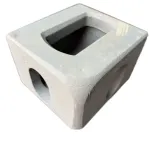
Every shipping container in the world — all 40 million of them — rests on eight critical components. Corner castings are the load-bearing blocks at each corner of an ISO shipping container, and they are the universal interface between the container and every crane, twistlock, spreader, and chassis on the planet. When you lift a container, stack it nine high on a ship, or lock it to a truck trailer, every ton of force flows through these fittings.

Construction cabin – selection, tips, dimensions and prices
Every construction project – whether a family house, a development project or a reconstruction – starts with the infrastructure. No construction manager, craftsman or investor who needs an on-site office, a changing room for workers or a safe storage for tools can do without a quality construction cell. But navigating the offer is not easy: residential containers, sanitary cells, storage modules, rental, purchase, refurbished pieces… This guide will give you answers to all the essential questions in one place.