
Shipping container for housing
Living in containers represents a cost-effective and time-efficient solution. Given the high prices of construction materials and the complexity of the labor process, some companies have turned to the idea of creating quality and attractive housing by assembling several shipping containers. Living in a shipping container can meet the highest standards of quality and comfort. From a picturesque vacation cottage to a complete permanent residence made from several shipping containers. Residential containers can also be used for building offices or as temporary construction buildings for businesses.
LIVING IN CONTAINERS
From cool steel structures originally intended for maritime transport, a dream home can be quickly created according to your vision. When choosing container construction, you have a wide range of options for selection and planning. A modular approach gives you flexibility and allows customization of the construction according to your individual needs and ideas. You can choose both the size and design according to your visions. This concept gives you free rein and allows you to create your shipping container home exactly as you wish.
One of the huge advantages is that the original construction does not have to be final and it is always possible to easily add another module according to your future needs. The interior design depends solely on you and is limited only by your imagination. You can choose from small windows or modern large windows reaching down to the floor, depending on your vision and preferences.
The construction of housing from containers is attractive to many people due to its financial and time efficiency. Modern technologies in heating, insulation, windows, and ventilation are used in residential container houses, ensuring high comfort and energy efficiency. The price of such shipping container housing depends on the size and condition of the used shipping containers, as well as on other requirements. For a family container house, you typically need 2-4 containers depending on the planned layout and number of rooms, while the total costs also depend on the interior equipment, chosen cladding type, bathroom, etc.
RESIDENTIAL SHIPPING CONTAINERS
Another advantage is the ecological benefit, as this form utilizes existing materials and contributes to waste reduction. In addition, you also save on other construction materials that would be necessary for a traditional brick or wooden house. A shipping container house must be properly insulated and equipped with suitable heating to ensure comfort in both winter and summer. The exterior can be finished with facades or wood, taking into account maintenance and aesthetics of the construction.
Shipping containers are constructed from durable anti-corrosive steel, which ensures their long lifespan in various climatic conditions. A shipping container house can serve for many years and is comparable to traditional building methods. To implement container living, a building permit, project, and technical documentation are needed. Your ideas and requirements will be reflected in the visualization and layout of the container house. The construction itself can take up to six months depending on the detail and scope of the project. There are also variations of these structures that do not require a building permit and offer flexibility in placement and quick installation.
When it comes to the use of shipping containers, in addition to family shipping container houses, it is also possible to build garages, cottages, pools, or the originality of a café or bistro from them, thus offering a wide range of usage options for various purposes.

Other container news...
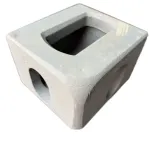
Corner casting steel vs aluminum
Every shipping container in the world — all 40 million of them — rests on eight critical components. Corner castings are the load-bearing blocks at each corner of an ISO shipping container, and they are the universal interface between the container and every crane, twistlock, spreader, and chassis on the planet. When you lift a container, stack it nine high on a ship, or lock it to a truck trailer, every ton of force flows through these fittings.

Construction cabin – selection, tips, dimensions and prices
Every construction project – whether a family house, a development project or a reconstruction – starts with the infrastructure. No construction manager, craftsman or investor who needs an on-site office, a changing room for workers or a safe storage for tools can do without a quality construction cell. But navigating the offer is not easy: residential containers, sanitary cells, storage modules, rental, purchase, refurbished pieces… This guide will give you answers to all the essential questions in one place.

Storage container
A storage container is a lockable steel box designed for the safe and dry storage of materials, tools, goods or equipment. Originally created as a shipping container for maritime transport, its durability and versatility have found their way onto construction sites, corporate premises and private land.
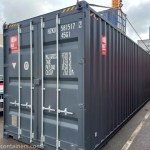
Shipping container 12m (40 ft)
A 12m shipping container is an investment that, if properly selected and cared for, will pay off in decades of trouble-free use. Whether you plan to use it as a warehouse, workshop, garage or the basis for a residential module — the key is careful selection of the condition, a thorough inspection before purchase and high-quality preparation of the base for placement. Take the time to compare offers, check the seller’s references and do not hesitate to personally inspect the container before buying. A properly selected 40-foot container will serve you reliably for many years.