
How is a shipping container handled in port?
In European and American ports, unloading and loading can be slower compared to Asian ports, which are investing massively in new technologies. This can lead to columns of ships waiting outside ports, further increasing delays.
The handling of shipping containers in port is a key part of the global supply chain. The processes involved in loading, transporting and unloading containers are complex and require precise coordination. Let’s take a closer look at how this fascinating system works.
Arrival of the container at the port
Containers arrive at the port mostly by road on special container trailers or by rail. They have to pass several checks before being loaded onto the ship, which include customs and security inspections. These checks ensure that the contents of the container are as declared and do not contain any illegal or hazardous materials.
Loading containers onto the ship
Once the containers have passed the inspections, they are loaded onto the ship. This process is very complex and depends on several factors:
- Balancing the ship: the containers are loaded so that the ship is properly balanced. This means that heavier containers are placed in the lower layers and closer to the middle of the ship, while lighter containers can be placed higher up and on the edges.
- Container type: different types of containers (e.g. refrigerated food containers) may require specific locations to ensure their operating conditions.
- Destination port: containers to be unloaded earlier are located in easily accessible places.
Loading is carried out by massive cranes that can lift containers weighing up to 40 tonnes. These cranes operate with high precision and speed, which is essential for efficient handling in the port.
Sailing and steering the boat
After loading the containers, the ship sets sail on its journey. Navigation and steering of the ship are key to a safe voyage. The captain and his team monitor the weather, sea currents and other factors that can affect the voyage. In some cases, such as passing through the Suez Canal, specific speed limits and distances from shore must be observed.
Unloading at the port of destination
Upon arrival at the destination port, the unloading process begins. This process is again very organised and depends on several factors:
- Priority of unloading: containers are unloaded according to priority, which may be determined by the type of cargo, its destination and other factors.
- Customs and security checks: just like at loading, containers must pass customs and security checks at unloading.
- Transport to the final destination: after unloading, the containers are ready for further transport, either by truck or rail to their final destination.
Specifics of container handling
Handling containers requires special equipment. For example, a crane with sufficient lifting capacity is necessary to unload a 12-metre container. In some cases, forklifts are used, but they must meet certain technical parameters (e.g. minimum weight and load capacity).
As for the 6m containers, these can also be unloaded using vehicles with a hydraulic arm that is able to lift and move the containers over short distances. However, it is always necessary to consult with the crane supplier or transporter to take into account the specifics of the terrain and possible obstacles.
Challenges and delays
Handling containers in ports is not without its problems. There are often delays caused by various factors such as adverse weather, technical problems or logistical obstacles. For example, the passage through the Suez Canal can be delayed if the canal is blocked, which can affect global shipping.
Other container news...
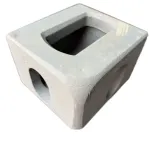
Corner casting steel vs aluminum
Every shipping container in the world — all 40 million of them — rests on eight critical components. Corner castings are the load-bearing blocks at each corner of an ISO shipping container, and they are the universal interface between the container and every crane, twistlock, spreader, and chassis on the planet. When you lift a container, stack it nine high on a ship, or lock it to a truck trailer, every ton of force flows through these fittings.

Construction cabin – selection, tips, dimensions and prices
Every construction project – whether a family house, a development project or a reconstruction – starts with the infrastructure. No construction manager, craftsman or investor who needs an on-site office, a changing room for workers or a safe storage for tools can do without a quality construction cell. But navigating the offer is not easy: residential containers, sanitary cells, storage modules, rental, purchase, refurbished pieces… This guide will give you answers to all the essential questions in one place.
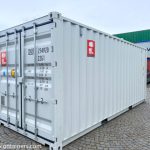
Storage container
A storage container is a lockable steel box designed for the safe and dry storage of materials, tools, goods or equipment. Originally created as a shipping container for maritime transport, its durability and versatility have found their way onto construction sites, corporate premises and private land.
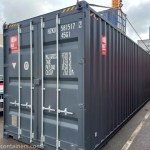
Shipping container 12m (40 ft)
A 12m shipping container is an investment that, if properly selected and cared for, will pay off in decades of trouble-free use. Whether you plan to use it as a warehouse, workshop, garage or the basis for a residential module — the key is careful selection of the condition, a thorough inspection before purchase and high-quality preparation of the base for placement. Take the time to compare offers, check the seller’s references and do not hesitate to personally inspect the container before buying. A properly selected 40-foot container will serve you reliably for many years.