
Anatomy of the Cooling System – Cooling System
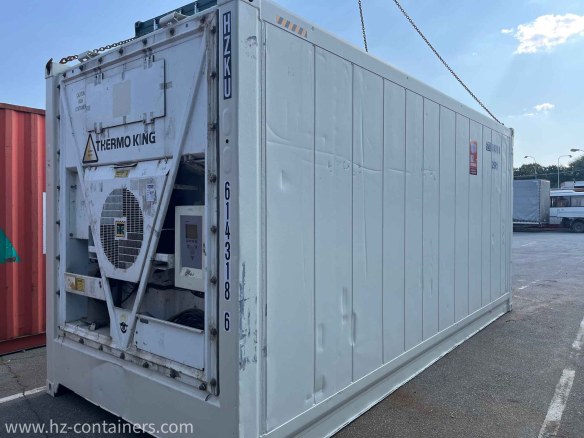
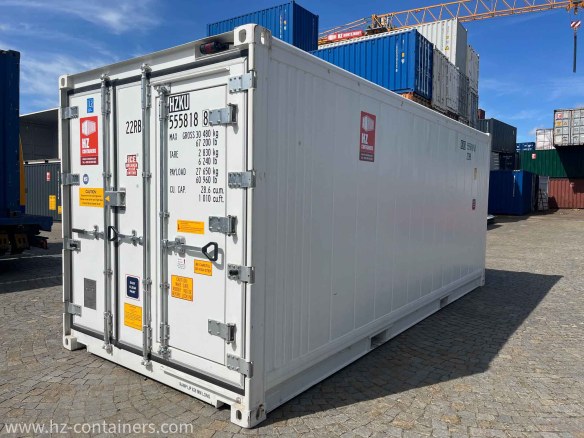
The cooling system of a shipping container, referred to as a reefer unit, is a specialized technological assembly that makes it possible to maintain precisely controlled conditions (temperature, humidity, atmosphere) inside a transport container. These containers, known as reefers, are key to global logistics involving sensitive cargo (food, pharmaceuticals, chemicals, electronics). Depending on design, they can maintain the internal environment in the range of -70 °C to +30 °C (the most common interval is -30 °C to +30 °C), regardless of outdoor conditions.
Importance in logistics: Without these systems it would not be possible to transport fresh, frozen, or climate‑sensitive products safely and efficiently across continents and oceans, which has a fundamental impact on the modern food and healthcare supply chains.
How do cooling systems in containers work?
Vapour compression principle:
The cooling cycle in container refrigeration units is based on a closed circuit with refrigerant. This system uses the same physical laws as an ordinary household refrigerator, but in a far more robust and powerful design.
Basic phases of the cycle:
| Phase | Description |
|---|---|
| Compression | The compressor compresses the refrigerant – increasing its pressure and temperature. |
| Condensation | The hot gas is cooled in a heat exchanger (condenser), turns into liquid and releases heat to the surroundings. |
| Expansion | The liquid refrigerant passes through an expansion valve, sharply reducing its pressure and temperature. |
| Evaporation | The cold refrigerant in the evaporator absorbs heat from the inside of the container and turns back into gas. |
- Profiled T‑floors ensure that the flow of cold air circulates beneath the cargo and rises upwards, providing uniform cooling of the entire cargo floor area.
- The system cannot cool down warm cargo! Goods must be pre‑cooled to the desired temperature before loading.
Key components of the cooling system
Overview of main parts:
| Component | Function and technical description |
|---|---|
| Compressor | The heart of the system, often piston or scroll type. Ensures circulation of the refrigerant. Equipped with safety sensors (pressure, temperature). |
| Condenser | Heat exchanger with fans, usually aluminium/stainless steel, protected against corrosion by sea salt. |
| Evaporator | Internal heat exchanger where the refrigerant absorbs heat from the container. Coils often with antimicrobial surface treatment. |
| Expansion valve | Controls the amount of refrigerant entering the evaporator. Modern systems use electronic expansion valves (EEV) for precision. |
| T‑floor | Special floor design that allows barrier‑free circulation of cold air under the entire cargo. |
| Fans | High‑performance fans (on average 4–6x air volume exchange per hour) ensure constant airflow. |
| Control unit | Microprocessor with digital interface, remote monitoring capability, alarms, data recording. |
| Sensors | Measure temperature, humidity, CO2, O2, refrigerant level, pressure and other parameters. |
| Insulation | High‑pressure polyurethane foam (thickness 50–100 mm), crucial for minimizing heat loss. |
| Drain system | Drains and valves for removing condensate, prevents water and pests from entering. |
Types of cooling systems for shipping containers
| Type/mode | Description, advantages, use |
|---|---|
| Integrated (Integral Reefer) | Most common. Each container has its own unit. Universal use (ship, train, truck, warehouse). |
| Isothermal/porthole (Conair) | Highly insulated box without its own unit, connected to the ship’s central system. More internal space, cheaper maintenance. |
| Clip‑on units (Genset) | External diesel generator for independent power supply during land transport. Available as built‑in or portable. |
| MA/CA Atmosphere | Control of atmospheric composition (O2, CO2), extending the shelf life of fruit and vegetables. |
| AFAM (Automatic Fresh Air Mgmt) | Automatic regulation of fresh air intake according to cargo type. |
Detail: Container insulation and construction
- Walls, roof, floor: Mostly sandwich construction – stainless steel/aluminium + polyurethane foam (thickness up to 100 mm).
- Thermal conductivity: The best insulation has a heat transfer coefficient (U‑value) below 0.3 W/m²K.
- Durability: Anti‑corrosion treatment, protective coatings, watertightness, increased mechanical strength.
Air circulation, ventilation and atmosphere control system
- T‑floor: Distribution of cold air under the entire cargo area, minimizing “dead zones”.
- Evaporator fans: Maintain uniform temperature and humidity, on average 4–6 air changes per hour.
- Ventilation flaps: Manual or automatic, regulate the supply of fresh air depending on the type of goods.
- Dehumidifiers/humidifiers: Allow setting of optimal humidity (typically 60–85 % RH, modern systems down to 50 % RH).
- Atmosphere control: In some types it is possible to actively control gas composition (e.g. CA/MA for fruit).
Control unit, monitoring, alarms
- Digital control system: Allows setting temperature, humidity, atmospheric composition, alarms, and recording of operating data (data logger).
- Remote monitoring: Data transmission via GSM/satellite, ability to control parameters and monitor container status from anywhere.
- Alarms: Immediate warning when set parameters are exceeded (temperature, power failure, component malfunction, refrigerant leak etc.).
- Data recording: Storage of temperature and humidity profiles and alarm states – important for claims and audits (HACCP, GDP, FDA, etc.).
Energy efficiency and innovations
| Innovation/technology | Benefit |
|---|---|
| Inverter compressors | Adjust output to current demand, reducing energy consumption by 20–40 %. |
| Modern fans | Efficient motors with variable speed, lower noise, longer service life. |
| Intelligent control (AI/IoT) | Predictive maintenance, optimization of consumption according to route, cargo type and current conditions. |
| Low‑GWP refrigerants | CO₂ (R744), HFO – reduce environmental impact and comply with international ecological standards. |
| Solar panels | Supplementary power supply, hybrid units are being tested to reduce dependence on fossil fuels. |
Specific safety and operational features
- Safety valves: Protect against overpressure and system failure.
- Refrigerant leak detectors: Immediate alarm when a leak is detected.
- Overheat/burnout protection for motors: Sensors, automatic shutdown.
- Resistance to vibration, mechanical stress, sea salt: Special design, corrosion‑resistant materials.
- Data protection: Backup of operating data, possibility of encrypted transmission during remote monitoring.
Most common applications and importance in logistics
- Food: Fresh/frozen fruit, vegetables, meat, fish, dairy products, ice cream – often require not only a specific temperature but also controlled humidity and atmosphere.
- Pharmaceuticals: Vaccines, medicines, blood derivatives – often transported in a “cold chain” mode with strict monitoring and temperature recording.
- Chemicals: Some chemicals must be transported within a narrowly defined temperature range for safety reasons.
- Electronics: Sensitive components can be damaged by high temperature or humidity.
The future of container cooling systems
- Eco‑friendly refrigerants: Ban on fluorinated hydrocarbons (HFC), transition to CO₂, HFO and other eco‑friendly blends.
- Automation and AI: Systems able to predict the development of conditions, automatically optimize consumption and warn of impending failure.
- Hybrid and renewable sources: Combination of electric and solar power to reduce emissions and operating costs.
- Higher digitalization: Expansion of IoT, ability to connect to global monitoring systems, blockchain for tamper‑proof transport records.
FAQ – Frequently asked questions
What is the most important feature of a container cooling system?
Accurate and reliable temperature control, as it directly affects the quality and safety of the transported goods.
How does insulation affect cooling performance?
High‑quality insulation minimizes heat losses, reduces energy consumption and protects cargo from temperature fluctuations.
Why is proper airflow so crucial?
Uniform circulation prevents temperature differences and preserves cargo quality throughout the entire container volume.
What power supply options are available?
Electricity from the ship’s or port’s power grid, or external diesel generators (gensets) for mobile operation.
What is the benefit of remote monitoring?
It enables timely intervention, minimizes the risk of loss of sensitive goods, and simplifies auditing and compliance with legal requirements.

 Czech Republic, Uherské Hradiště
  FREE SHIPPING
Other container news...
Corner casting steel vs aluminum
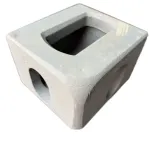
Every shipping container in the world — all 40 million of them — rests on eight critical components. Corner castings are the load-bearing blocks at each corner of an ISO shipping container, and they are the universal interface between the container and every crane, twistlock, spreader, and chassis on the planet. When you lift a container, stack it nine high on a ship, or lock it to a truck trailer, every ton of force flows through these fittings.

Construction cabin – selection, tips, dimensions and prices
Every construction project – whether a family house, a development project or a reconstruction – starts with the infrastructure. No construction manager, craftsman or investor who needs an on-site office, a changing room for workers or a safe storage for tools can do without a quality construction cell. But navigating the offer is not easy: residential containers, sanitary cells, storage modules, rental, purchase, refurbished pieces… This guide will give you answers to all the essential questions in one place.
Storage container
A storage container is a lockable steel box designed for the safe and dry storage of materials, tools, goods or equipment. Originally created as a shipping container for maritime transport, its durability and versatility have found their way onto construction sites, corporate premises and private land.
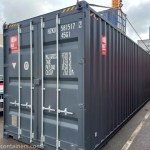
Shipping container 12m (40 ft)
A 12m shipping container is an investment that, if properly selected and cared for, will pay off in decades of trouble-free use. Whether you plan to use it as a warehouse, workshop, garage or the basis for a residential module — the key is careful selection of the condition, a thorough inspection before purchase and high-quality preparation of the base for placement. Take the time to compare offers, check the seller’s references and do not hesitate to personally inspect the container before buying. A properly selected 40-foot container will serve you reliably for many years.