
All-Terrain Wheels for Shipping Container Transport
What are all-terrain wheels for shipping containers?
All-terrain wheels for shipping containers, also known as shipping container wheels or container wheels, are specially designed heavy-duty wheels intended for transporting large shipping containers across various surfaces, including uneven and difficult terrain. These are not ordinary wheels — they are precisely engineered components that combine durability, load capacity, and maneuverability to handle the extreme demands of container logistics.
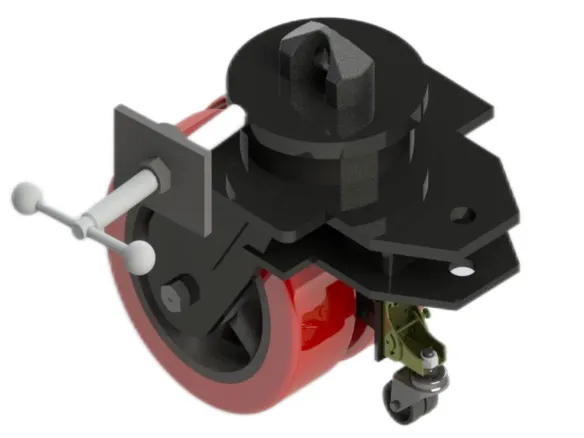
At the core of the system are shipping container wheels, which are dual heavy-duty dollies equipped with a locking mechanism that connects directly to the ISO 1161 corners of standard shipping containers. The term “all-terrain wheels” specifically refers to wheels designed to handle off-road, uneven, or challenging terrain — distinguishing them from standard wheels used on flat, paved surfaces.

The primary purpose of all-terrain wheels is to eliminate dependence on expensive heavy equipment such as cranes and forklifts. This opens up container mobility to all businesses, regardless of their size. Whether you are working on a construction site, in a remote industrial facility, or on uneven, muddy terrain, these wheels provide a practical solution that preserves container integrity while reducing operational costs.
The innovation of shipping container wheels represents a significant advancement in logistics efficiency. Since the standardization of ISO containers in the 1950s, the industry recognized that moving these massive structures (which can weigh 2,000 to 30,000+ kilograms when loaded) requires specialized equipment. All-terrain wheels emerged as a solution to this challenge, combining mechanical engineering with practical logistical needs.
All-terrain wheels have been used in the industry for several decades, but their popularity has grown significantly over the past 15 years. The development of new materials and manufacturing techniques has enabled the creation of wheels that are simultaneously lighter, more durable, and capable of handling heavier loads. Today, there are specialized variants designed specifically for the most demanding conditions — from deep mud to rocky mountain terrain.
How do shipping container wheels work mechanically?
The mechanical function of shipping container wheels lies in a cleverly constructed system of components working in unison. Understanding this mechanism is essential for proper installation, use, and maintenance.
The foundation of the system is the locking mechanism. This is a threaded or cam-type locking element mounted on the top plate of the dolly. The container’s corner casting (which conforms to ISO 1161 specifications) contains a corresponding socket. When the wheel assembly is positioned under the corner of the container, the lock rotates (typically 90 degrees) to engage the corner casting and create a secure, locked connection. This locking mechanism is what distinguishes container wheels from ordinary dollies — it prevents accidental disconnection and ensures the wheel remains firmly attached during transport.
Beneath the lock is the wheel itself, consisting of a bearing housing, axle, and the wheel proper. Wheel diameter typically ranges from 200 to 630 millimeters depending on load capacity and terrain type. Wheel width (contact surface) is generally between 80 and 160 millimeters, providing stability and load distribution across the surface.
Tread material is critical for off-road performance. Most heavy-duty shipping container wheels use one of three materials:
- Polyurethane treads: These are solid, durable materials ideal for smooth to moderately rough surfaces. They provide excellent load capacity and are resistant to oils, chemicals, and temperature fluctuations.
- Nylon wheels: These offer moderate flexibility and are suitable for indoor and light outdoor use, but are generally less suitable for demanding terrain.
- Pneumatic tires: Air-filled tires that provide shock absorption and excellent grip on uneven terrain. These are the preferred choice for true all-terrain wheels, as they adapt to irregular surfaces and reduce vibrations and shocks to the container and its contents.
The bearing system in each wheel is designed to minimize friction and support the enormous loads these wheels must handle. High-quality ball or roller bearings are standard, enabling smooth operation even under extreme weights.
What are the different types of all-terrain wheels for containers?
The spectrum of shipping container wheels encompasses several distinct categories, each optimized for different applications and terrain conditions.
Single wheels versus dual wheels
Single container wheels have one wheel per container corner. They are lighter and more compact, making them suitable for smaller containers or lighter loads. A typical single container wheel can support 1.2 to 2.5 metric tons per wheel, with a set of four wheels supporting 4 to 10 metric tons in total.
Dual container wheels have two wheels mounted side by side at each container corner. These wheels distribute the load better, increase stability, and are the standard for larger containers (20-foot and 40-foot containers) or heavily loaded containers. Dual wheels can support significantly higher loads — often 3 to 8 metric tons per wheel assembly, with a complete set supporting 12 to 32 metric tons.
Classification by wheel material
Polyurethane container wheels are designed for smooth, paved surfaces. They excel in warehouses, on concrete floors, and in controlled indoor environments. They are durable, chemical-resistant, and maintain excellent performance on asphalt. However, they are less effective on mud, gravel, or deeply uneven terrain.
Pneumatic all-terrain wheels are specifically constructed for demanding terrain conditions. Air-filled rubber tires absorb shocks and adapt to irregular surfaces, making them ideal for construction sites, remote locations, and muddy or rocky terrain. They provide excellent traction and reduce vibrations, protecting both the container and its contents. The trade-off is that pneumatic tires require periodic maintenance (pressure checks) and are more susceptible to punctures on extremely rough terrain.
Hybrid wheels combine elements of both systems, offering a balance between durability and terrain adaptability. Some manufacturers produce wheels with thicker polyurethane treads that incorporate grooves for improved traction on uneven terrain.
Classification by load capacity
All-terrain wheels are categorized according to their load capacity:
- Light wheels (2–5 metric tons total capacity): Suitable for empty 20-foot containers or lightly loaded containers
- Medium-duty wheels (5–12 metric tons): Standard for most 20-foot and some 40-foot containers
- Heavy-duty wheels (12–20 metric tons): For fully loaded 40-foot containers and industrial applications
- Extra heavy-duty wheels (20+ metric tons): For special applications, tandem systems, or containers with additional cargo
What are the key technical specifications of shipping container wheels?
Understanding the technical specifications of shipping container wheels is essential for selecting the right system for your application.
| Specification | Standard Range | Performance Impact |
|---|---|---|
| Wheel diameter | 200–630 mm | Larger wheels roll more easily over obstacles; smaller wheels are more compact |
| Wheel width | 80–160 mm | Wider wheels distribute load better; narrower wheels fit into tighter spaces |
| Load capacity (single) | 1.2–8 metric tons | Determines maximum container weight and fill level |
| Load capacity (set of 4 wheels) | 4–32 metric tons | Total system capacity for container mobility |
| Maximum rolling speed | 4–20 km/h | Depends on wheel material and surface condition |
| Wheel material | Polyurethane, Nylon, Pneumatic | Determines terrain suitability and durability |
| Lock type | Threaded or Cam | Affects ease of attachment/detachment |
| Height (overall) | 200–700 mm | Affects ground clearance and maneuverability |
| Bearing type | Ball or Roller | Affects smoothness and load distribution |
| ISO compliance | ISO 1161 Standard | Ensures compatibility with standard containers |
The ISO 1161 standard is fundamental to all shipping container wheel systems. This international standard defines the corner castings (attachment points) on all standardized shipping containers. All-terrain wheels must have locking mechanisms that precisely match these specifications to ensure safe and reliable attachment.
Load capacity is perhaps the most important specification. A typical 20-foot container weighs 2,300 kilograms empty and can carry up to 28,000 kilograms of cargo. A 40-foot container weighs 3,750 kilograms empty and can carry up to 28,750 kilograms. The wheel system must be rated for the total weight (container plus cargo) that will be transported. Exceeding the rated capacity can lead to wheel failure, container damage, and safety hazards.
Wheel diameter affects how easily the wheels roll over obstacles. Larger wheel diameters (500–630 mm) roll more smoothly over uneven terrain and obstacles, while smaller wheel diameters (200–300 mm) are more compact and suitable for confined spaces. For demanding terrain, larger wheel diameters are generally preferred.
Rolling speed is typically limited to 4–6 km/h for heavy-duty wheels on uneven terrain, although some systems can reach 10–20 km/h on smooth surfaces. This limitation exists to ensure stability and safety, especially when navigating uneven terrain.
What are the advantages of using all-terrain wheels for container transport?
Adopting all-terrain wheels for shipping container transport offers numerous practical and economic benefits that have made them increasingly popular in the logistics and construction industries.
Elimination of dependence on heavy equipment proves to be the primary advantage. Traditional container relocation required cranes, forklifts, or specialized heavy-duty vehicles — all expensive to rent or own and often unavailable at remote locations. All-terrain wheels allow a standard vehicle (pickup truck, tractor, or even a team of workers) to move a container, dramatically reducing operational costs. For businesses moving containers frequently, this can mean savings of thousands of dollars per month.
Rapid deployment and flexibility is another major advantage. With wheels attached, a container can be positioned anywhere within minutes, without waiting for heavy equipment or specialists. This is invaluable in construction, emergency response, and remote industrial operations where time is money.

Reduced damage is significant. Heavy equipment such as cranes can cause scratches, dents, and structural stress during container relocation. Wheels provide a gentler, more controlled method of transport that preserves container integrity. For businesses using containers for long-term storage or resale, maintaining container condition is economically important.
Access to confined spaces is another key advantage. All-terrain wheels allow containers to be moved into tight spaces — between buildings, along narrow paths, or through gates — where heavy equipment cannot fit. This opens up new possibilities for container placement and use.
Improved safety is often overlooked but crucial. Using wheels reduces the risk of accidents associated with operating heavy equipment. There is no risk of crane failure, no need for heavy equipment operator training, and the likelihood of a container falling is reduced. For construction sites with safety-conscious management, this is a significant benefit.
Cost-effectiveness for short-distance moves cannot be overstated. While long distances still require trucks, wheels excel at moving containers within a facility, across a property, or to nearby locations. The cost per kilometer drops dramatically compared to hiring specialized transport.
Environmental benefits are increasingly important. Reduced dependence on heavy equipment means lower fuel consumption and reduced carbon dioxide emissions. All-terrain wheels represent a more sustainable approach to container logistics.
What are the limitations and challenges of all-terrain wheels?
Despite their many advantages, all-terrain wheels have specific limitations that must be understood before implementation.
Speed limitations are fundamental. All-terrain wheels typically operate at a maximum speed of 4–6 km/h on uneven terrain and even 10–20 km/h on smooth surfaces. This makes them unsuitable for long-distance transport or time-critical applications. A container that would normally take 2 hours to move by truck could take 8–10 hours using wheels.
Distance limitations exist because wheels are designed for short-distance moves, not long-haul transport. Distances exceeding 5–10 kilometers become impractical with wheels. For longer distances, traditional transport methods remain necessary.
Terrain limitations apply even to “all-terrain” wheels. Extremely soft mud, deep water, steep slopes, or highly rocky terrain can present challenges. Pneumatic all-terrain wheels perform better than polyurethane wheels in these conditions, but no wheel system is truly universal.
Maintenance requirements for pneumatic wheels include regular pressure checks, potential tire repairs, and replacement. Polyurethane wheels require less maintenance but are less effective on uneven terrain.
Operator skill and experience are significant. Although wheels are simpler than heavy equipment, proper technique is still essential. Incorrect attachment, excessive speed, or poor route planning can lead to accidents or damage.
Load capacity limitations mean that heavily loaded containers may exceed wheel ratings, requiring alternative transport methods. Additionally, the distribution of mass within the container affects stability when using wheels.
Infrastructure requirements exist — the surface must be capable of supporting the concentrated loads of the wheel assemblies. Extremely soft ground or sensitive surfaces may be damaged by the wheels.
How are all-terrain wheels installed on shipping containers?
Proper installation is critical for safe container movement. The process is relatively straightforward but requires attention to detail.
Step 1: Positioning and preparation
Place the container on a level surface if possible. Ensure that the area around the container corners is accessible. Inspect the corner castings (attachment points) for damage or debris. Clean the castings if necessary.
Step 2: Aligning the container dolly
Position the first container dolly assembly at one corner of the container. The locking mechanism should be aligned with the corner casting opening. Most containers have clearly marked corner castings designed to accept these wheels.
Step 3: Engaging the lock
Insert the locking mechanism into the corner casting and rotate it (typically 90 degrees) to secure it in place. The rotation creates a secure mechanical connection. You should hear or feel a distinct “click” when properly locked. Some systems use threaded locks that require several full rotations.
Step 4: Verification
Gently test the connection by attempting to move the dolly assembly. It should not move or shift. If it does, the lock is not fully engaged — disconnect and try again.
Step 5: Repeat for all corners
Install wheels on all four container corners using the same procedure. Ensure all four wheels are properly locked before attempting to move the container.
Step 6: Final safety check
Walk around the container and visually inspect all four dolly connections. Verify that the wheels are aligned and at approximately the same height. Any significant height difference indicates improper installation.
What maintenance is required for all-terrain wheels?
Regular maintenance ensures safe operation and extends wheel service life.
Daily pre-use inspection should include checking all locking connections, visually inspecting wheels for visible damage, and verifying that pneumatic tires (if used) appear properly inflated.
Pneumatic tire pressure checks should be performed weekly during regular use. Correct pressure is usually indicated on the tire sidewall and should be maintained within manufacturer specifications. Under-inflated tires increase rolling resistance and can overheat; over-inflated tires reduce shock absorption and traction.
Bearing lubrication is necessary. Most quality wheel assemblies have sealed bearings that require no maintenance, but some designs may require periodic lubrication. Check manufacturer specifications.
Locking mechanism maintenance involves keeping the threaded or cam locking mechanism clean and free of debris. If locking becomes difficult, clean the mechanism and apply a light lubricant (never use heavy oils that attract dirt).
Tire replacement for pneumatic wheels should occur when tread depth is insufficient (typically when 2–3 mm of tread remains). Worn wheels provide poor traction and are prone to failure.
Wheel assembly inspection should include checking for cracks, bent axles, or damaged bearings. Any structural damage should result in immediate wheel replacement.
Storage considerations are important if wheels are not in continuous use. Store in a dry location, maintain tire inflation to manufacturer specifications, and protect from extreme temperatures.
What are the various industrial applications of all-terrain wheels?
Shipping container wheels find applications across many industries and scenarios.
Construction and construction site management represents the largest application area. Temporary storage containers, tools, and equipment are regularly relocated on construction sites. Wheels eliminate the need for expensive crane rentals and allow project managers flexibility in container placement.
Industrial facilities and manufacturing use wheels to manage inventory containers, organize storage areas, and facilitate facility layout changes. The ability to quickly reposition containers without heavy equipment improves operational efficiency.
Remote and off-grid applications benefit significantly from all-terrain wheels. Mining operations, forest camps, and remote industrial sites often lack access to heavy equipment. All-terrain wheels enable container delivery and relocation using basic vehicles and equipment.
Emergency and disaster response applications are becoming increasingly important. Containers serve as temporary shelters, supply depots, and command centers. All-terrain wheels enable rapid deployment and relocation of these critical resources.
Agricultural and rural applications use wheels for mobile storage, equipment transport, and temporary facilities. The ability to move containers across agricultural terrain without damaging crops or equipment is valuable.
Logistics and warehousing operations use wheels for inventory management and facility optimization. Containers can be repositioned to optimize storage space or facilitate loading/unloading operations.
Specialized transport involves moving containers to locations where traditional transport cannot reach — across uneven terrain, through narrow passages, or in environments where heavy equipment is restricted.
What safety considerations apply to all-terrain wheel operations?
Safety is paramount when using all-terrain wheels for container transport.
Load verification is the first step. Confirm that the total weight (container plus contents) does not exceed the rated capacity of the wheel system. Overloading is a primary cause of wheel failure and accidents.
Proper attachment procedure must be followed. Ensure all four wheels are properly engaged before attempting to move. Verify connections by visual inspection and gentle pulling.
Route assessment should be conducted before moving. Identify obstacles, soft ground, steep slopes, or other hazards. Plan the route to avoid these challenges. For demanding terrain, specifically identify the smoothest possible path.
Speed control is essential. Never exceed the manufacturer’s recommended maximum speed, especially on uneven terrain. Excessive speed reduces stability and increases the risk of tipping or wheel failure.
Operator training should be provided. Although wheels are simpler than heavy equipment, operators should understand proper technique, recognize warning signs of problems, and know emergency procedures.
Load distribution within the container affects stability. Heavy loads concentrated on one side can cause tipping. Distribute mass as evenly as possible.
Weather considerations are important — wet conditions reduce traction and extreme temperatures can affect tire performance and bearing function.
Personal protective equipment including helmets and safety vests should be worn during container moving operations.
Regular inspections before each use can prevent accidents caused by equipment failure.
How do all-terrain wheels compare to alternative container transport methods?
Understanding how all-terrain wheels compare to alternatives helps in selecting the right method for each situation.
| Transport Method | Speed | Cost | Terrain Capability | Required Equipment | Skill Level |
|---|---|---|---|---|---|
| All-terrain wheels | 4–20 km/h | Low | Good | Standard vehicle | Basic |
| Cranes | 5–30 km/h | High | Limited | Expensive equipment | High |
| Forklifts | 15–25 km/h | Medium | Limited | Equipment rental | Medium |
| Specialized trucks | 60+ km/h | High | Good | Expensive transport | High |
| Manual labor | 1–5 km/h | Very low | Limited | None | Low |
All-terrain wheels excel for short-distance off-road moves. Cranes are faster but much more expensive and require skilled operators. Forklifts work well on flat surfaces but struggle on uneven terrain. Specialized transport trucks are the fastest but most expensive. Manual labor is only viable for very short distances or light containers.
What is the future of all-terrain wheel technology for containers?
The all-terrain wheel industry is continuously evolving with several emerging trends.
Material innovations include the development of new polyurethane compounds and tire formulations that offer better off-road performance while maintaining durability. Research into self-healing polymers could significantly extend wheel service life.
Automation and smart wheels represent an emerging frontier. Some manufacturers are developing wheels with integrated sensors that monitor load, pressure, and bearing condition, providing real-time data on wheel health and safety.
Improved bearing technology including ceramic bearings and advanced lubrication systems promises reduced friction, increased load capacity, and extended service life.
Modular designs allow easier maintenance and component replacement, reducing downtime and overall cost of ownership.
Sustainability focus is driving the development of wheels made from recycled materials and more environmentally friendly manufacturing processes.
Standardization efforts among manufacturers aim to ensure better compatibility and interoperability, making it easier for customers to source spare parts and upgrades.
The all-terrain wheel industry is mature but not stagnant — continuous improvements in materials, design, and manufacturing promise even better performance in the years ahead.
What are practical real-world examples of all-terrain wheel use?
All-terrain wheels are used in practice in many interesting and demanding situations. One of the best-known examples is the use of EZY Wheels (manufactured by Container Nut in the USA), which are designed to allow both 20-foot and 40-foot empty containers to be moved simply and safely. These wheels are rated at 8,800 pounds per set and are used on construction sites around the world.
In practice, all-terrain wheels are used to move containers across construction sites without the need for cranes, to position storage units at remote locations (including mining sites and forest camps), and to create temporary facilities in areas with limited access. Specialized applications include moving containers with a car inside (to demonstrate their durability) and their use in tactical military operations where mobility is critical.
One of the most demanding examples is moving containers along unmaintained mountain roads. Operators use pneumatic all-terrain wheels (with load capacities of up to 20,000 kg per set of four wheels) to move containers through deep mud, gravel, and rocky terrain. These specialized wheels are equipped with an improved locking system and wheel brakes, enabling safe lowering of containers down slopes.
What are the recommended all-terrain wheels for different situations?
When selecting all-terrain wheels, it is important to choose the right type for your specific application:
For construction sites and smooth surfaces: Polyurethane wheels with a load capacity of 4–10 metric tons are ideal. They are less expensive, require less maintenance, and perform excellently on concrete and asphalt.
For uneven and muddy terrain: Pneumatic all-terrain wheels with a load capacity of 8–20 metric tons are essential. Their ability to absorb shocks and adapt to irregularities makes them indispensable for demanding conditions.
For heavy loads: Extra heavy-duty wheels (20+ metric tons) with dual wheels at each corner are necessary. These wheels often feature integrated brakes and improved locking mechanisms.
For specialized applications: Hybrid wheels or custom solutions may be required. Some manufacturers offer customized systems for specific terrain conditions.

 Czech Republic
  WITHOUT SHIPPING

Other container news...

New shipping containers
If you are currently considering purchasing a new shipping container, you are not alone. While just twenty years ago containers were used almost exclusively for maritime transport, today they have found their way into construction, storage, business, and even housing. This growing popularity brings with it a host of questions: Which type should you choose? How much does it cost? How do you recognize quality? How can you avoid falling victim to scammers?
New sea shipping containers
If you are currently considering purchasing a new shipping container, you are not alone. While just twenty years ago containers were used almost exclusively for maritime transport, today they have found their way into construction, storage, business, and even housing. This growing popularity brings with it a host of questions: Which type should you choose? How much does it cost? How do you recognize quality? How can you avoid falling victim to scammers?

6m shipping container
Are you thinking about buying a 6-meter shipping container but aren’t sure what to look for? You are not alone—this 20-foot container is the best-selling size on the Czech market, and the differences between various types, conditions, and prices can be significant. In this guide, you will find everything you need to know: from exact dimensions and a comparison of categories (such as “one-way,” refurbished, and “Cargo Worthy”) to current prices and shipping advice.
Corner casting steel vs aluminum
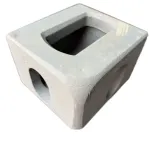
Every shipping container in the world — all 40 million of them — rests on eight critical components. Corner castings are the load-bearing blocks at each corner of an ISO shipping container, and they are the universal interface between the container and every crane, twistlock, spreader, and chassis on the planet. When you lift a container, stack it nine high on a ship, or lock it to a truck trailer, every ton of force flows through these fittings.