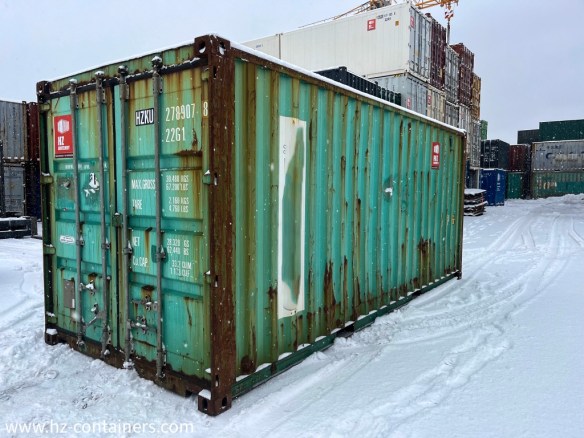
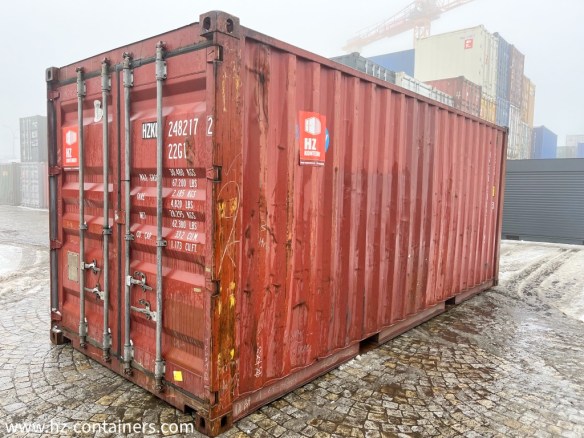
GP – General Purpose Shipping Container
Shipping containers are the backbone of global trade, enabling the transport of goods worldwide. Among the various types of containers, the General Purpose (GP) container stands out as the most widespread and versatile. This glossary entry aims to provide a comprehensive overview of the General Purpose container, covering its specifications, uses, and variants within the broader context of shipping and logistics.
The GP container is the workhorse of the shipping industry, enabling the smooth movement of goods by sea, land, and sometimes by air. Its standardized size and robust construction make it ideal for a wide range of applications, from transporting consumer goods to industrial parts. Understanding the complexities of GP containers is essential for professionals in logistics, manufacturing, and retail who rely on efficient supply chain operations.
Definition
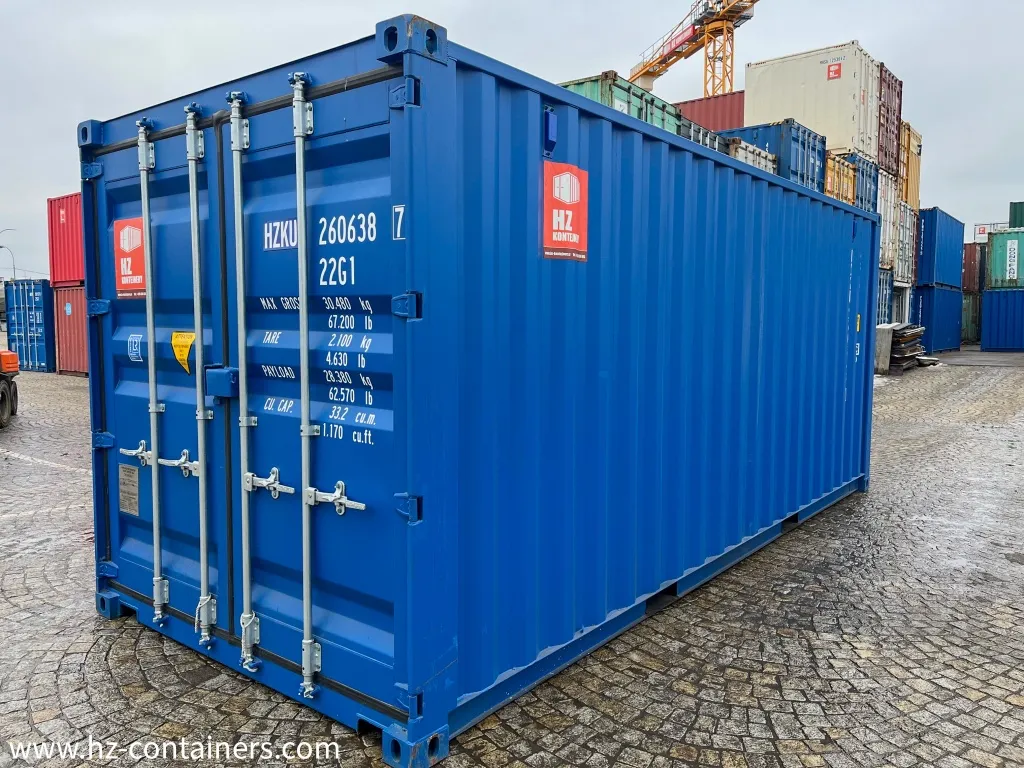
General Purpose Container (GP): The General Purpose container, often simply referred to as a “dry container,” is a standard cargo container that is fully enclosed with a solid roof, walls, and floor. It is designed to transport a wide range of cargo types, primarily dry goods. These containers are weather-resistant and are equipped with doors on one or both ends, facilitating loading and unloading.
GP containers are an integral part of the intermodal freight transport concept, which enables the transport of goods by various modes of transport (e.g., ship, train, truck) without handling the cargo itself. This efficiency reduces cargo handling, improves safety, and minimizes the risk of damage or loss.
Specifications
Dimensions
General Purpose containers are available in several standard sizes, the most common being:
- 20-foot GP container:
- External dimensions: 20 ft (length) x 8 ft (width) x 8 ft 6 in (height).
- Internal dimensions: Approximately 19 ft 4 in (length) x 7 ft 9 in (width) x 7 ft 10 in (height).
- Capacity: 33.2 cubic meters (m³).
- 40-foot GP container:
- External dimensions: 40 ft (length) x 8 ft (width) x 8 ft 6 in (height).
- Internal dimensions: Approximately 39 ft 5 in (length) x 7 ft 9 in (width) x 7 ft 10 in (height).
- Capacity: 67.7 cubic meters (m³).
- High Cube (HC) variant: The HC container is a variant of the GP container that is taller, with an external height of approximately 9 ft 6 in, providing additional volume for cargo that requires more space.
Capacity
- Maximum gross weight: Typically around 30,480 kg for a 20-foot container and 32,500 kg for a 40-foot container.
- Tare weight: Approximately 2,200 kg for a 20-foot container and 3,750 kg for a 40-foot container.
- Payload capacity: The weight of cargo that can be loaded into the container, calculated as the difference between maximum gross weight and tare weight.
Payload capacity is key to maximizing the efficiency of shipping operations. Overloading can lead to safety risks and potential fines, while underutilization represents a missed opportunity for capacity utilization.
Uses
General Purpose containers are the most versatile and frequently used containers in the shipping industry. They are suitable for transporting various dry goods, including:
- Boxed goods: Items packaged in boxes or cartons.
- Palletized cargo: Goods stacked on pallets.
- Bulk cargo: With appropriate modifications such as liners or flexitanks, GP containers can transport certain types of dry or liquid bulk cargo.
- General merchandise: Items stored in drums, barrels, or crates.
The adaptability of GP containers to various cargo types makes them indispensable for businesses engaged in international trade. They ensure that goods are protected from environmental influences and theft during transport.
Variants and Related Types
While GP containers serve a wide range of purposes, there are several other types of containers designed for specific needs:
- High Cube containers: Taller than GP containers, providing extra capacity for bulky cargo.
- Flat Rack containers: Designed for oversized cargo that cannot fit into a standard container due to height or width.
- Open Top containers: Have a removable top for easy loading of tall cargo.
- Reefer containers: Insulated and temperature-controlled containers used for perishable goods.
- Tank containers: Specially designed for transporting liquid cargo.
Each type of container is adapted to meet the unique requirements of specific goods, ensuring that items are transported safely and efficiently. For example, reefer containers are essential for maintaining the cold chain in the food and pharmaceutical industries.
Shipping Container Terminology
Understanding terms related to shipping containers is key to navigating the logistics industry:
- TEU (Twenty-foot Equivalent Unit): A standard measurement of containerized cargo capacity. One 20-foot GP container equals one TEU.
- FEU (Forty-foot Equivalent Unit): Equals two TEU, used for 40-foot containers.
- ISBU (Intermodal Steel Building Unit): Refers to containers used in construction or architecture.
Knowledge of these terms is essential for professionals involved in shipping and logistics, as they form the basis for planning and optimizing cargo costs.
Conclusion
The General Purpose container is an essential part of modern logistics, providing a flexible and efficient way to transport goods worldwide. By understanding the specifications and uses of GP containers, businesses can make informed decisions about their shipping needs, ensuring that their products arrive at their destination safely and efficiently.
For further questions or assistance with shipping container logistics, contact an industry professional to ensure that you are selecting the right type of container for your specific needs.
Whether you are a logistics expert or a business owner looking to expand your reach, the GP container offers the reliability and versatility needed to meet the demands of global trade.

 Czech Republic, Uherské Hradiště
  FREE SHIPPING